Glass Jars, a December Freeze and a Denied Claim. Who Actually Carries the Loss
Cold-weather freight damage rarely looks like a crushed box. It looks like a cracked jar, a denied carrier claim, and a seller who absorbs the cost anyway.
- Business
- Clement Boateng
- 1,168 words, 5 min
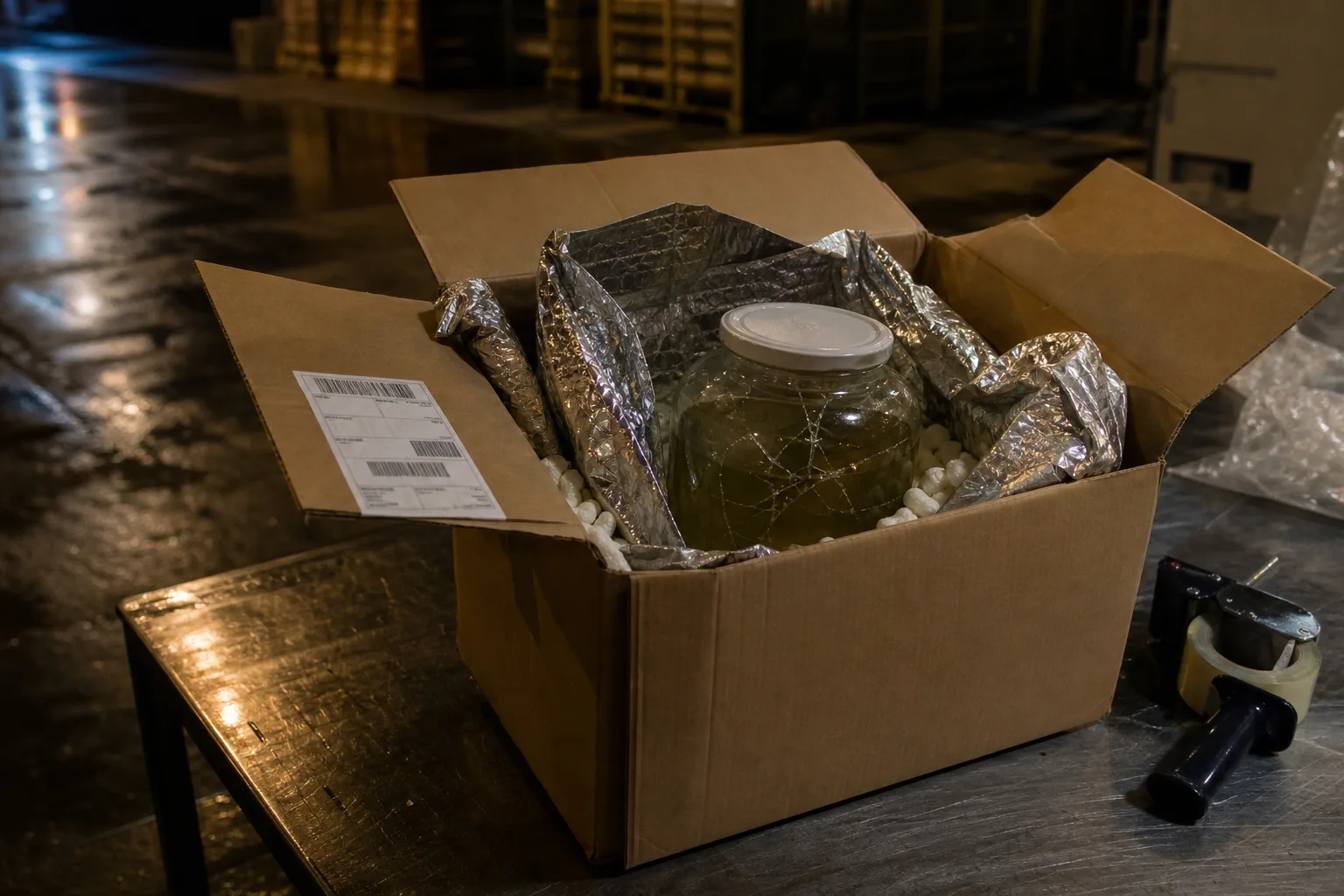
The most common cold-weather damage claim in small-parcel shipping is not a crushed carton or a dropped pallet. It is a jar of something water-based, sauce, syrup, kombucha, a cosmetic emulsion, that froze somewhere between a sort facility and a porch, expanded by roughly a tenth of its volume, and split the glass along a seam. The box arrives intact. The tape is unbroken. The customer opens it, finds a wet mess and a shard, and the seller files a claim expecting the carrier to pay. That claim is usually denied, and the reason it is denied is written down in advance.
The assumption is that the carrier insures the box. The contract says something narrower
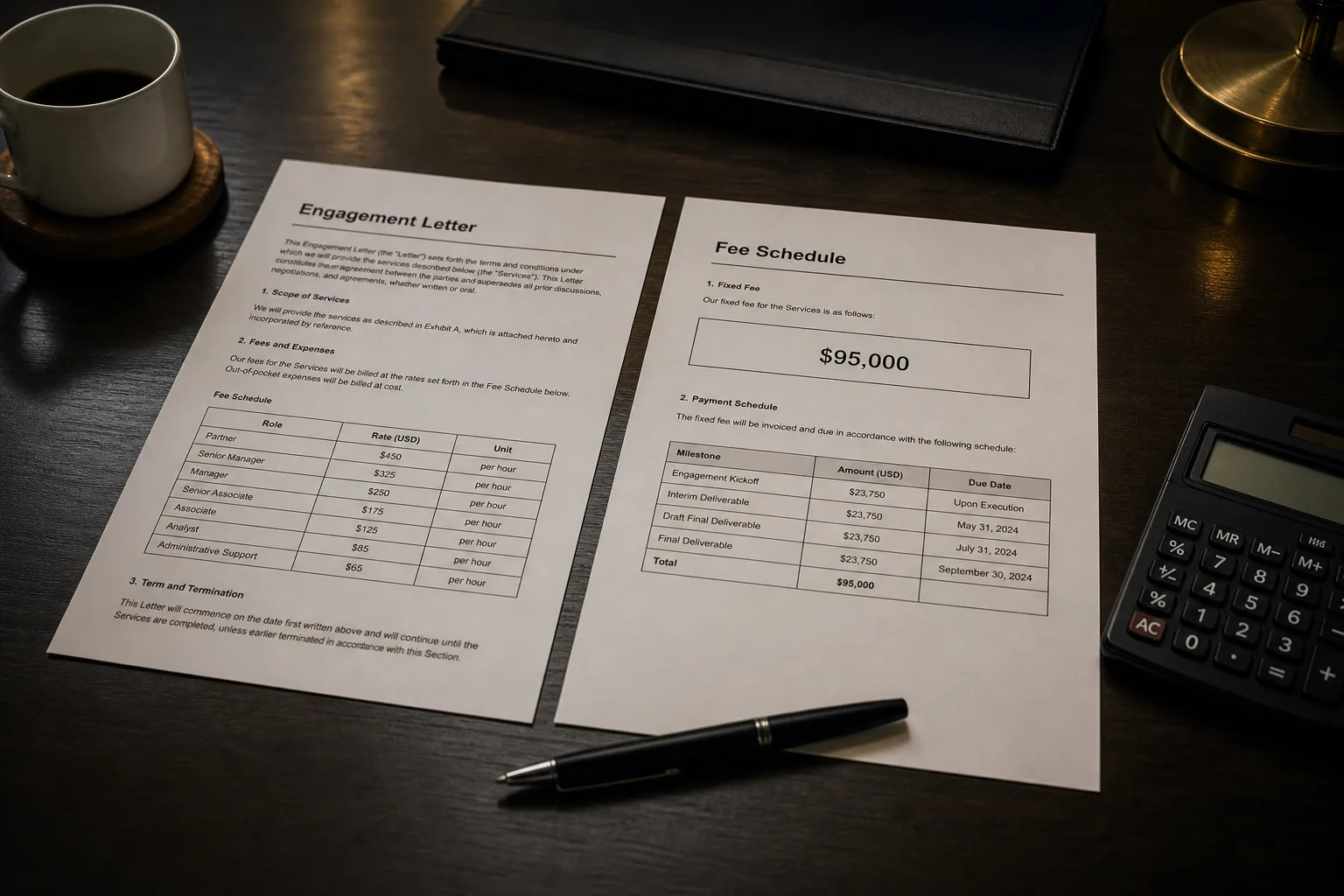
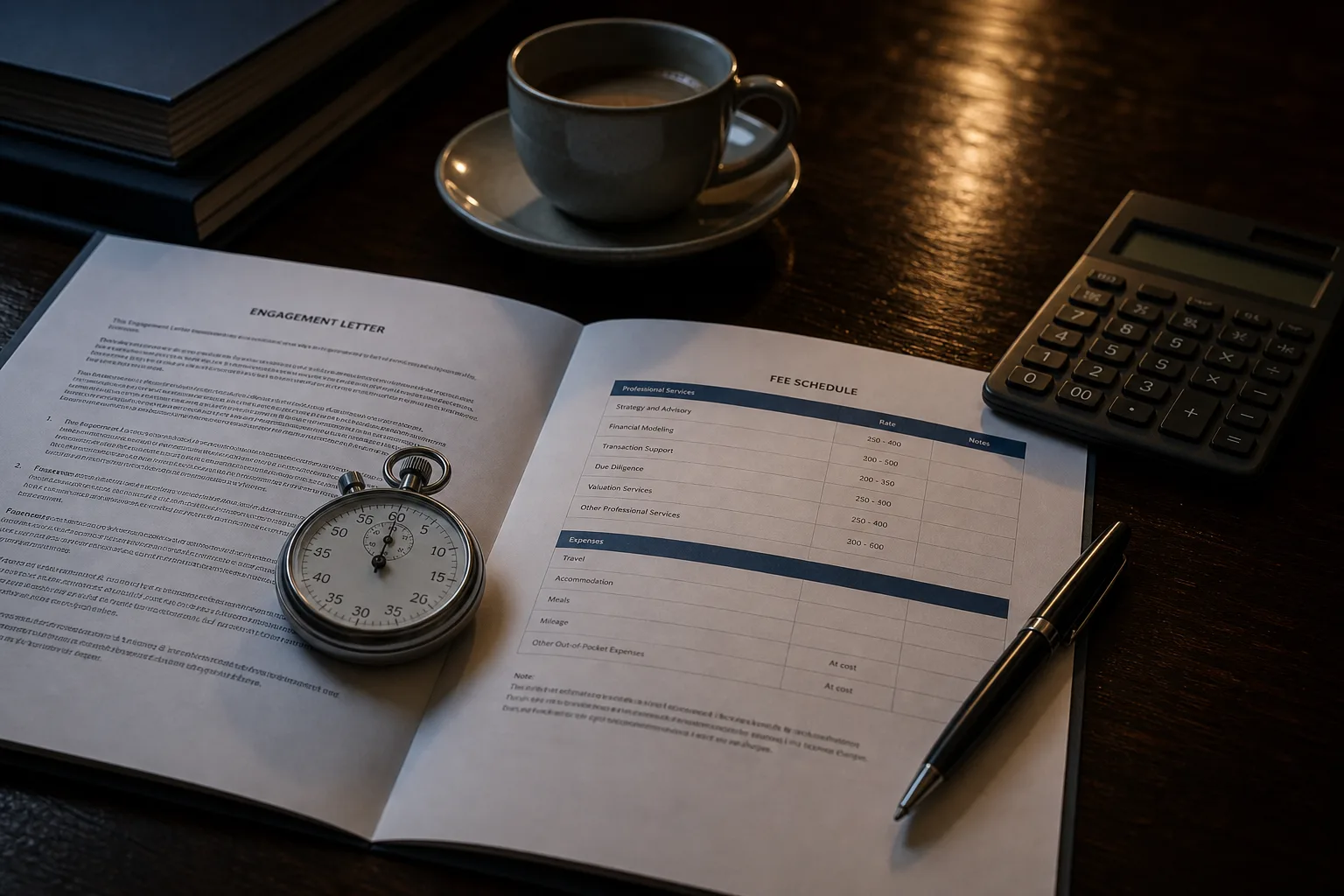
Almost every operator who ships under a hundred parcels a week believes the same thing: that declared value is insurance, and that if a package leaves in good condition and arrives damaged, the carrier absorbs it. Declared value is not insurance. It is a ceiling on liability, and every major carrier's terms sit underneath that ceiling with a list of things liability never attached to in the first place. Insufficient or improper packaging is on that list. So is inherent vice, which is the term of art for goods that damaged themselves because of what they are rather than because of anything the carrier did.
Water expanding when it freezes is the textbook case of inherent vice. The carrier moved the box, did not drop it, did not crush it, and delivered it on time. Nothing in a standard ground service promises a temperature range, and nothing in it promises that a trailer parked overnight in Minneapolis in January will stay above thirty-two degrees. Unless the shipper bought a temperature-controlled service and packed to its requirements, the denial is not a dispute about facts. It is the contract working the way it was written.
Risk of loss moves at a moment most sellers cannot name
Under the Uniform Commercial Code, in a shipment contract, risk of loss passes to the buyer when the goods are handed to the carrier. Read literally, that puts a frozen jar on the customer. In wholesale and business-to-business freight, that is often exactly how it plays out, and the terms on the purchase order settle it: who arranged the carrier, who paid the freight, whether the term was FOB origin or FOB destination. Those three letters and one word decide thousands of dollars a year for a small manufacturer, and they are frequently left off the paperwork entirely because nobody negotiated them.
Consumer sales work differently in practice, whatever the code says. The Federal Trade Commission oversees the rules governing mail, internet and telephone order merchandise, and the operating assumption across the card networks and the major marketplaces is that the buyer receives what was ordered in usable condition. A customer who opens a broken jar does not read the UCC. They open a chargeback or a marketplace claim, and the seller loses it. So the seller carries the loss on the consumer side, carries it again when the carrier denies the freight claim, and carries the replacement shipment on top. One cracked jar becomes three costs.
What changes in the packing itself between October and March
The useful correction is upstream of any claim. Liquids in glass need headspace, because a jar filled to the shoulder has nowhere to put the extra volume, and a jar filled to about ninety percent usually survives a freeze that splits a full one. Plastic with some give buys more tolerance than glass, and a foil-lined insulated liner does not heat anything, it only slows the rate of change, which is enough for a two-day transit and useless for a parcel that sits in a hub over a holiday weekend. Shippers who move seasonal liquids at volume shorten their service level in winter rather than upgrade their box.
The other change is where damage occurs. In summer, most claims trace to handling: a corner drop, a stacked pallet, a clamp truck. In winter, corrugated absorbs moisture from snow-melt on dock floors and loading ramps, and a wet box loses a meaningful share of its stacking strength before anything is dropped at all. Pallets that would hold four high in July collapse three high in February for that reason alone. Double-wall stock, a slip sheet under the bottom layer, and stretch wrap that actually reaches the pallet deck fix most of it, and none of those are expensive relative to a rejected delivery.
The injuries that fill a peak-season pack station, and the ones that only sound bad
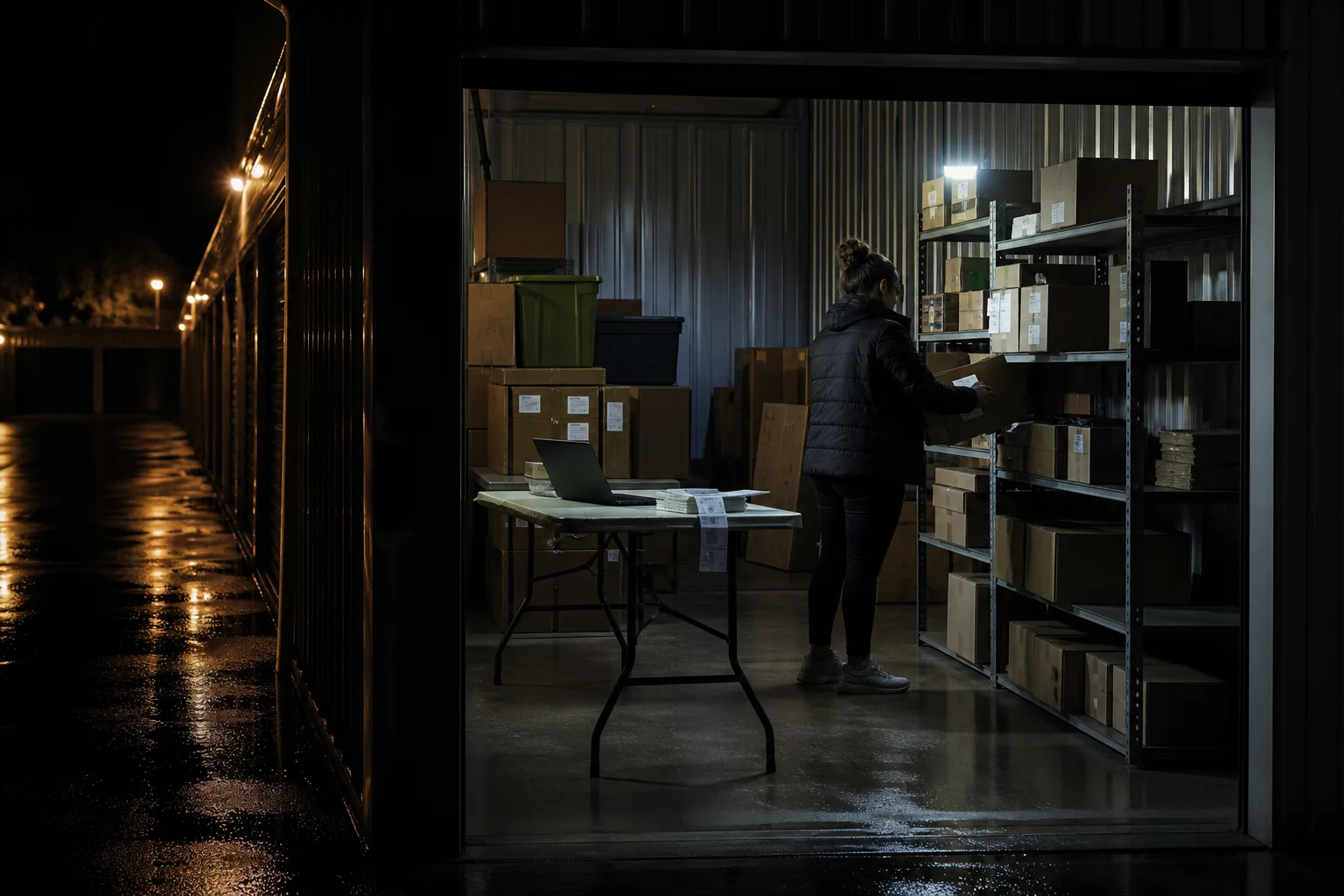
Anyone adding temporary staff between Thanksgiving and the middle of January should know which accidents actually send people to an emergency room, because they are not the dramatic ones. The Occupational Safety and Health Administration is responsible for workplace safety standards across warehousing and distribution, and the pattern on a pack line is consistent: box cutter lacerations to the non-dominant hand, from a blade pulled toward the hand holding the carton, and back and shoulder strains from lifting off a floor-level pallet instead of a raised one. Self-retracting blades and a pallet lifted to waist height remove most of both.
Falls come next, and almost always from a step stool or the second rung of a ladder while reaching sideways for stock, not from anything high. Winter adds one more that is genuinely worth attention, which is ice on the dock apron and the twenty feet between the trailer and the building, where a carried box blocks the view of the ground. Salt and a shoveled path do more for injury numbers in December than any amount of training. The hazards people fear, forklifts and heavy machinery, are real but heavily engineered around; the hazards that actually cost days are a blade, a bad lift and a slick step.
What a claim file needs before you send it
Where a carrier claim does have merit, and some do, it turns on evidence gathered in the first forty-eight hours. Photographs of the outer carton before it is opened, photographs of the interior packing in place, the weight and dimensions on the label, and the customer's written description with a date all belong in one file. If the carton shows no external damage and the contents are cracked, that supports a temperature or vibration argument rather than a handling one, and it tells you honestly which claim to file and which to skip. Sellers who log this routinely settle faster and stop losing time on claims that were never going to pay.
The practical position for a small shipper is to treat winter transit as a design constraint rather than a risk to transfer. Headspace, container material, service level and dock housekeeping are all inside your control, and they cost less than the claims process consumes in staff hours. Freight terms on the paperwork settle the wholesale side; packing settles the consumer side. Both are decided in October, not in the week the pipes freeze.