Three Ways to Hold Stock Without a Warehouse, and What Each Costs in a Slow Week
Self-storage, a third-party logistics provider, or marketplace fulfillment: the real difference shows up in the week nothing sells, not the week everything does.
- Business
- Farah Siddiqui
- 1,378 words, 6 min

The line every outsourced fulfillment provider leads with is that you pay only for what you use, and that storage and shipping stop being a fixed cost and become a variable one that moves with sales. It is true in the direction everyone tests it in, which is up. Volume doubles, the bill roughly doubles, and nobody feels cheated. The direction that matters to a small operator's bank balance is the other one, and that is where the claim thins out considerably. A quiet February does not cut your fulfillment invoice in half, and understanding why, before you sign, is the difference between a cost you can ride out and one that empties an account.
What actually moves when sales fall, and what does not
Break any fulfillment arrangement into the fees that follow an order out the door and the fees that follow a box sitting still. Pick, pack, and postage are genuinely variable: no order, no charge. Storage is charged by pallet, bin, or cubic foot held, and that number is set by what you bought three months ago, not by what you sold last week. Receiving fees were paid when the container landed. Account minimums, where they exist, sit underneath all of it. In a slow month, the variable half shrinks and the standing half does not move at all.
That standing half is usually a larger share of the total than owners expect, because the business that slowed down is almost always the business carrying too much inventory. The two conditions arrive together. Sales dropped, so the goods did not leave, so you are paying storage on more units than you planned for, at the same time as revenue is down. Every arrangement described below has that shape. The question is not whether you can escape it, because you cannot. The question is how large the unavoidable floor is, and how fast you can shrink it when you need to.
Self-storage and your own hands: the cheapest floor, the most expensive hours
A climate-controlled unit and a shelving run is the lowest standing cost available to a small operation, and for a business doing a few dozen orders a week it is frequently the correct answer. Rent is a known number, month to month, and it does not care whether you shipped nothing or shipped everything. There are no receiving fees, no pick fees, no long-term storage surcharges, and no minimums. What you are paying instead is your own time, and the honest accounting is in hours: driving there, pulling orders, packing, and then standing in line at the carrier counter or waiting on a pickup window.
Week to week this route breaks on a Tuesday afternoon rather than on a spreadsheet. The unit is a fifteen minute drive, you need two items from the back of it, and you lose ninety minutes doing something a warehouse does in forty seconds. Many facilities also restrict business use, loading dock access, or carrier pickups, so read the lease rather than assume. The financing point is that this option converts a cash cost into a labor cost, which is excellent while the labor is free and unpleasant the moment you have to hire someone for it.
Scaling out of it is also cheap, which is the part worth valuing. You give notice, you move the pallets, and nothing has been prepaid and nothing is stranded. Compare that with an arrangement that took a deposit and a six month term. When you are unsure whether the volume is real, the option with the shortest exit is usually worth more than the option with the lowest unit cost, because you are buying the right to be wrong without paying for the privilege. That is the whole argument for starting here and leaving later.
A third-party logistics provider: read the rate card as a monthly minimum
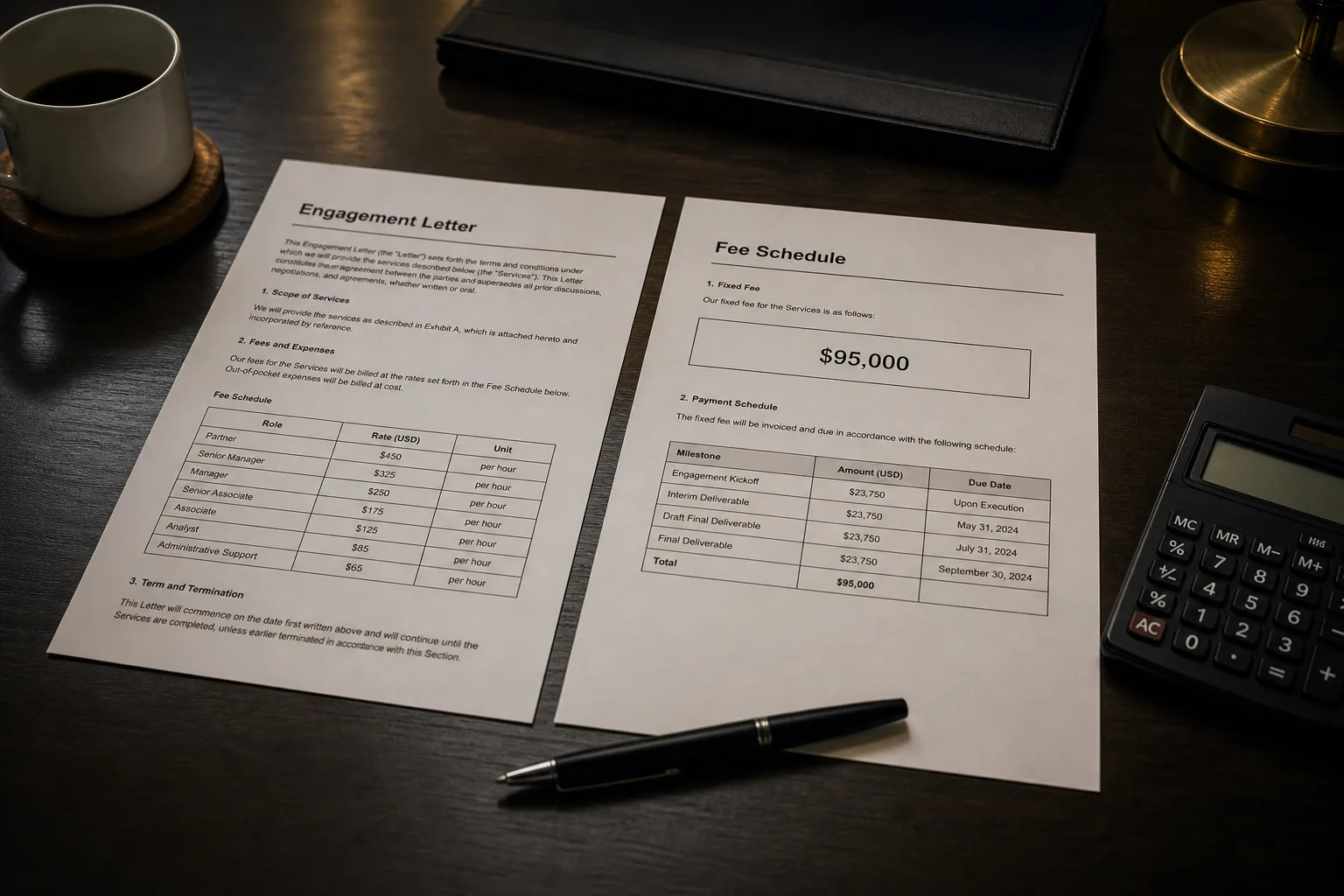
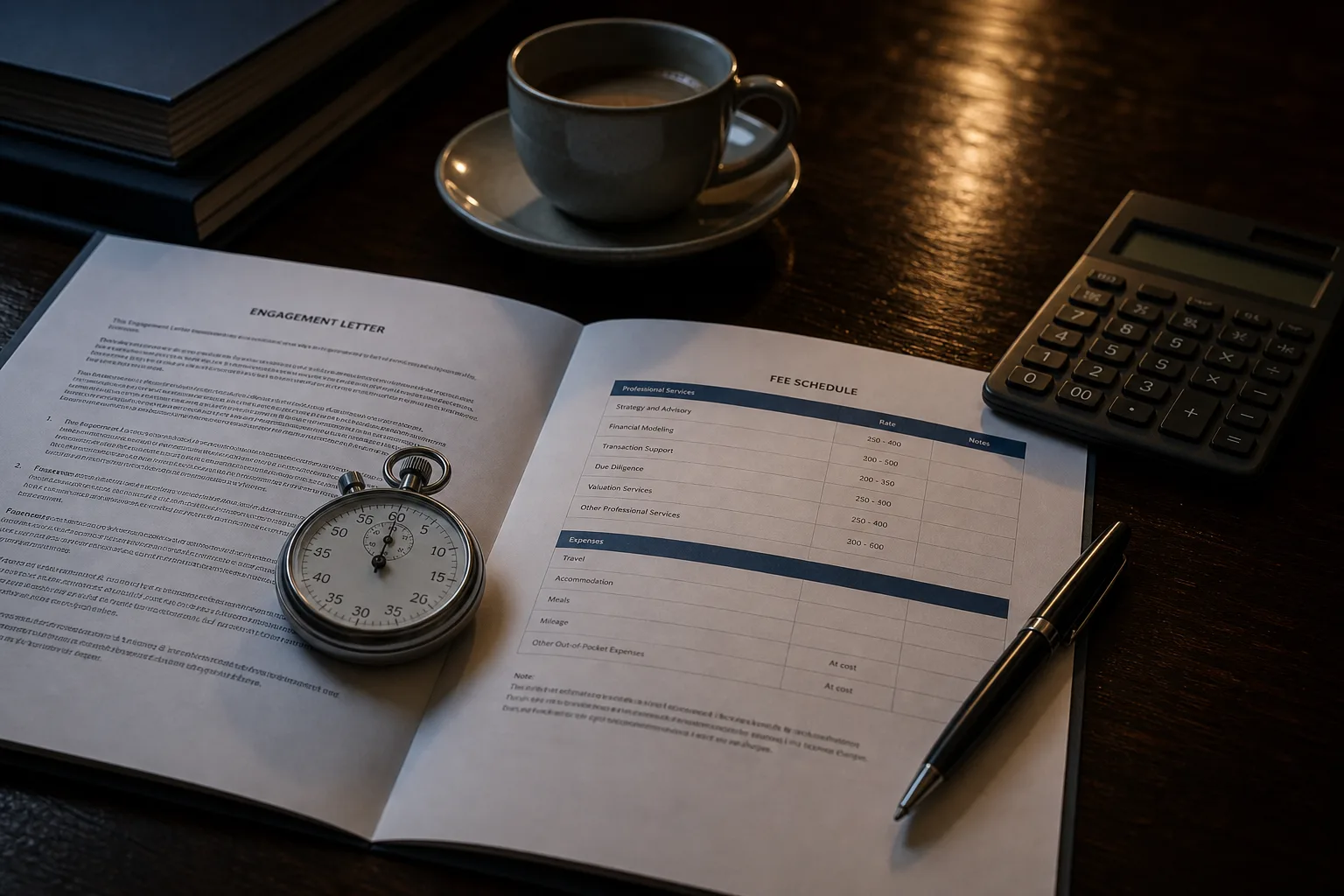
A 3PL takes receipt of your inventory, stores it, and ships orders against a feed from your store. The rate card will show a receiving charge per pallet or per carton, a storage charge per pallet or bin per month, a pick fee per order with a smaller fee per additional unit, packaging materials, and the carrier rate, which is often where the provider makes a margin you cannot see. Then look for the monthly minimum, because most providers have one, and that number is your real floor. In a slow month, the minimum is what you pay, and the itemized detail above it is decoration.
The week-to-week reality of a 3PL is mostly good and occasionally maddening in a specific way. Orders go out without you touching them, which is the whole point, and the time you get back is the time you spend on buying and selling. What you lose is immediacy. A customer wants a note in the box, a wholesale account wants a pallet relabeled, something arrives damaged and you cannot walk over and look at it. Those requests become tickets, and tickets become special handling charges billed at rates that are often not on the card you negotiated from.
The financing question is the onboarding cost, which is nearly always underpriced in the owner's head. You pay to freight the inventory in, you pay receiving on all of it, and you pay the first month of storage before a single order ships through the new system. Switching providers later means paying that sequence again, plus an outbound transfer, which is why providers are relaxed about a thin contract. The lock-in is physical, not legal. Budget the move as a real capital outlay and it stops being the surprise that arrives in the same month as the slow quarter.
Marketplace fulfillment, and the surcharge that punishes slow stock
Letting the marketplace hold and ship your goods buys demand as well as logistics, since the listing converts better and the delivery promise is not yours to keep. The fee structure is published, which is genuinely useful, and the per-unit fulfillment fee is predictable by size and weight. The part that catches people is the aged inventory surcharge. Storage is cheap for the first stretch and then climbs steeply for units that have sat beyond a threshold, which converts a merchandising mistake into an escalating monthly charge rather than a one-time write-down you can take on your own schedule.
That surcharge changes how you buy, and the effect runs backward into your supplier terms. Deep quantity discounts stop being attractive when the extra units carry a rising rent, so the arithmetic that justified the bigger purchase order needs the holding cost in it. The practical weekly habit is watching days of cover per SKU and pulling slow units out before they cross a threshold, which costs a removal fee and is almost always cheaper than another quarter of penalized storage. Owners who do this routinely report a flatter, duller fulfillment bill, which is exactly what you want it to be.
How to price the choice before you commit
Build one week, twice. Take your slowest week from last year, apply each option's fees to it, and write down the total. Then take your best week and do the same. The spread between those two totals, for each option, is how variable the cost really is, and it will be narrower than the sales pitch implies in every case. Add the one-time cost of getting in and the one-time cost of getting out, and compare on that basis. Warehousing and storage is a tracked sector in the national employment and wage data the Bureau of Labor Statistics is responsible for, and labor is the input that sets provider pricing, so expect rate cards to move with it.
The last thing to price is the credit decision hiding behind the logistics decision. Extended supplier terms and buy-now arrangements make a large inventory purchase feel free at the moment you make it, and the holding cost then shows up every month in someone else's invoice while the payable comes due on its own clock. Paying later for goods you are paying to store is the combination that hurts. When the two schedules are written on the same page, the right size of order, and the right place to put it, tend to become obvious.