Before the Lawyer, Five Other People Hold Your Paperwork. Who to Call First
The facts an attorney needs at a first meeting usually sit with a county clerk, a surveyor, a records department or a servicer, and each answers on its own schedule.
- Law & Legal
- Ingrid Halvorsen
- 789 words, 3 min
Most of what an attorney has to establish in a first meeting is already written down somewhere, by someone else, in a file the reader has never seen. The deed is at the county recorder. The boundary is on a plat or it is on nothing. The payment history is with a servicer. The dates that matter are in an email thread, a claim log, a personnel file. Paying a professional to reconstruct that from memory is the single most expensive way to buy it, and the whole exercise of preparing is really about moving those facts out of other people's systems and into one folder before the clock starts.
The clerk's office runs on its own calendar, not yours
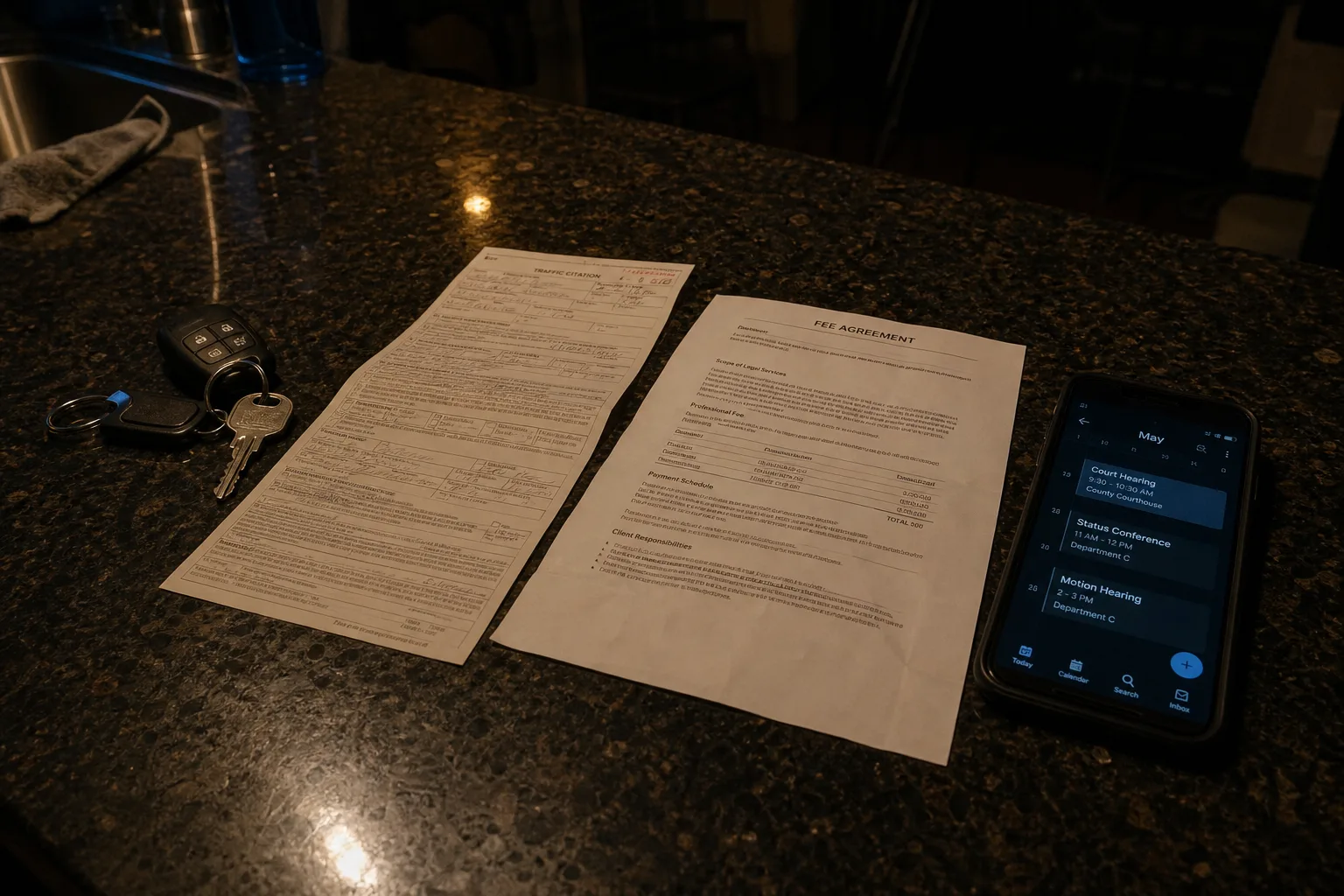
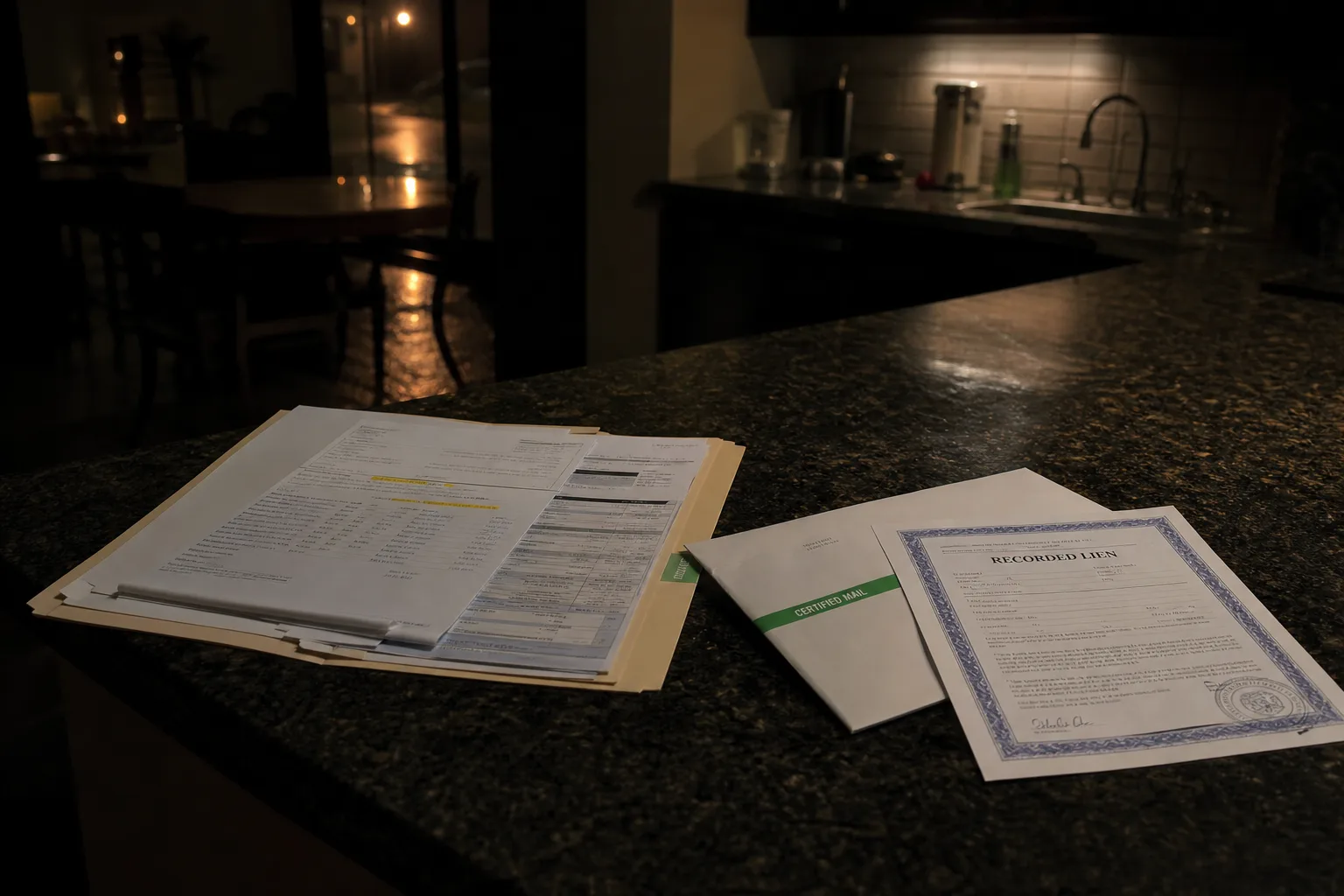
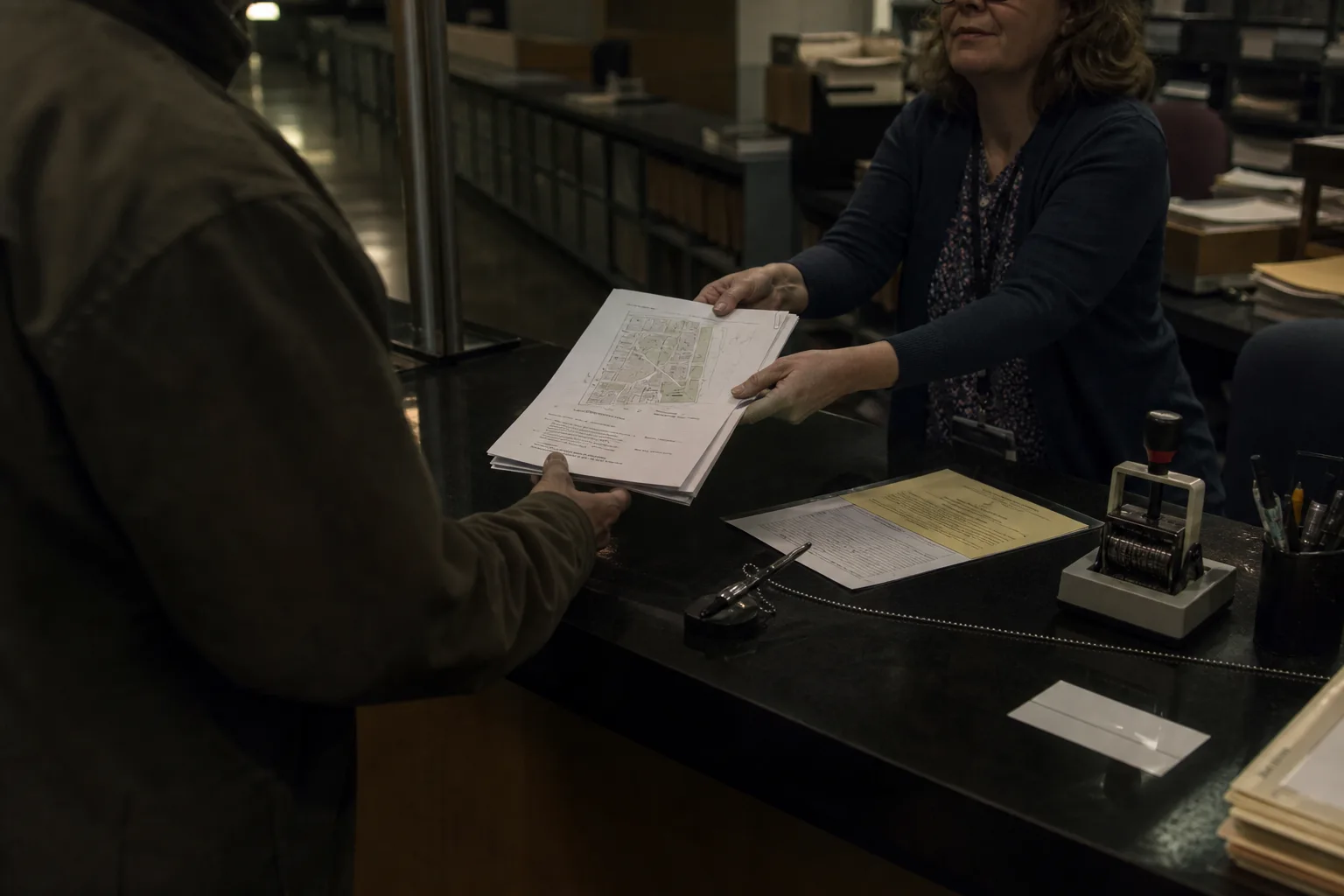
County recorders, registers of deeds, probate clerks and the DMV title division all produce documents on request, and each one has a counter price, a mail price and a different wait attached to each. Walking in tends to be same-day. Mailing a form with a check is measured in weeks, sometimes longer in a county with one clerk and a paper backlog. The practical consequence from the customer's side is simple: the request you make on a Tuesday afternoon may be the thing your attorney is waiting on a month later. Order certified copies rather than plain ones, because a certified copy works everywhere a plain copy does and a plain copy fails in the one place it matters.
Measurement is a tool you hire for a day
A licensed land surveyor, a structural engineer, an independent appraiser and a contractor willing to put an estimate in writing are all, in the useful sense, rented tools. You need them once, for a specific question, and you should know what question you are buying an answer to before you call. A surveyor asked to stake a disputed line produces something an attorney can use. A surveyor asked to "have a look" produces a conversation. The customer's experience here is mostly waiting for a slot in a booked calendar, then waiting again for the drawing, which is why the call goes out early, before anyone has decided whether there will be a case at all.
The companies holding your paper answer in a fixed shape
Banks, mortgage servicers, insurers, employers and medical records departments all have a defined channel for requests, and going through it is faster than going around it. Servicers and lenders in particular operate under consumer protection rules that the Consumer Financial Protection Bureau is responsible for overseeing, and a written request routed to the address they publish for that purpose is treated as a different animal from a phone call to the general line. Medical records go through a release form, often handled by an outside vendor, with a per-page fee and a stated turnaround. Human resources will give you your own file, but the request usually has to be in writing and the copy takes days.
Where the cheap version costs more
Buying cheap shows up in predictable places. A screenshot of an online property record instead of a certified copy. A quitclaim deed generated from a template and recorded without anyone checking what it did to the title. A contractor's verbal number, remembered rather than written. A photograph of damage with no date stamp and no wider shot establishing where it was taken. Each of these looked like it saved sixty dollars and forty minutes, and each one has to be redone properly later, at professional rates, on a deadline. The general rule holds: if a document will be shown to a third party who was not there, buy the version that carries its own proof.
What the folder looks like when it works
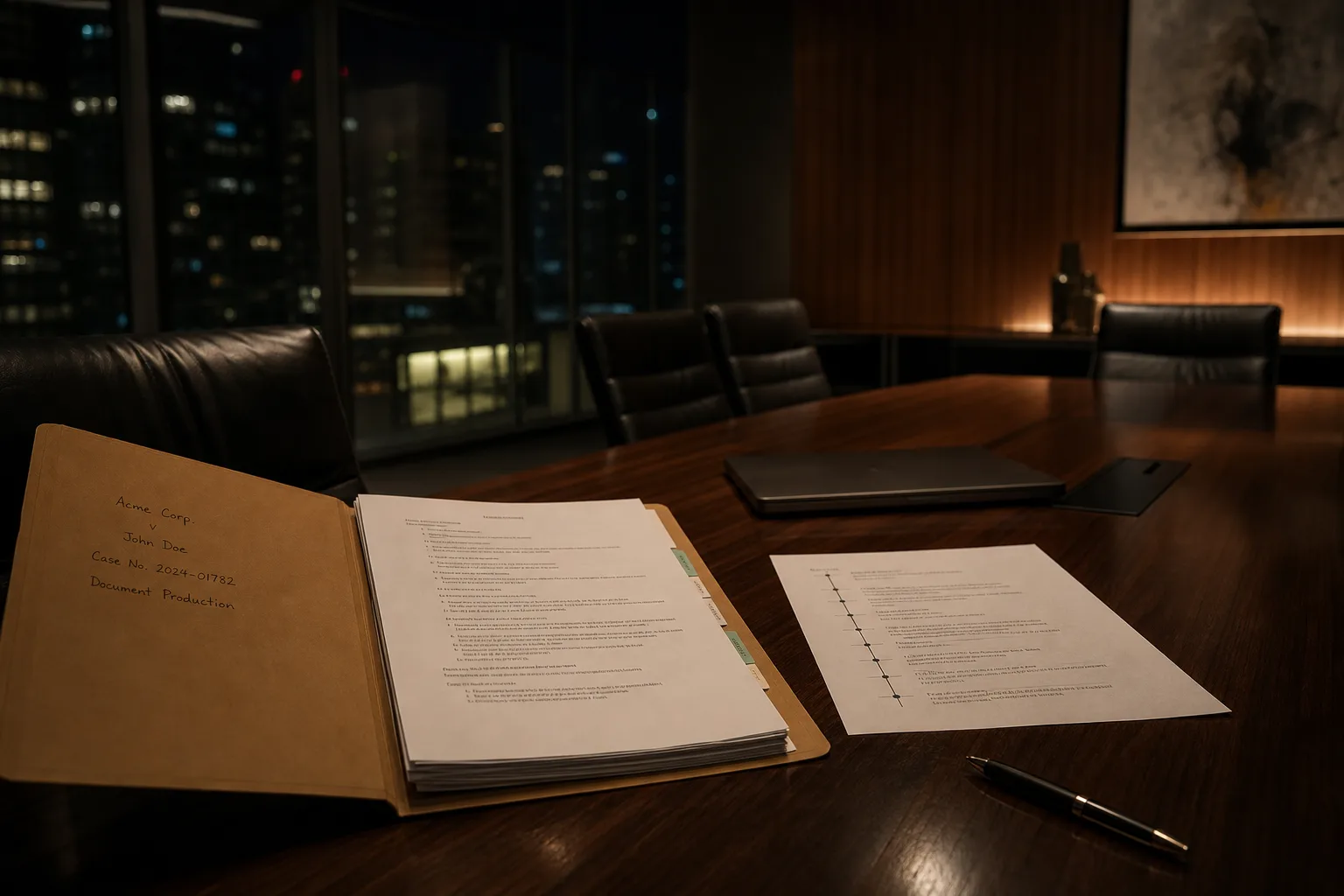
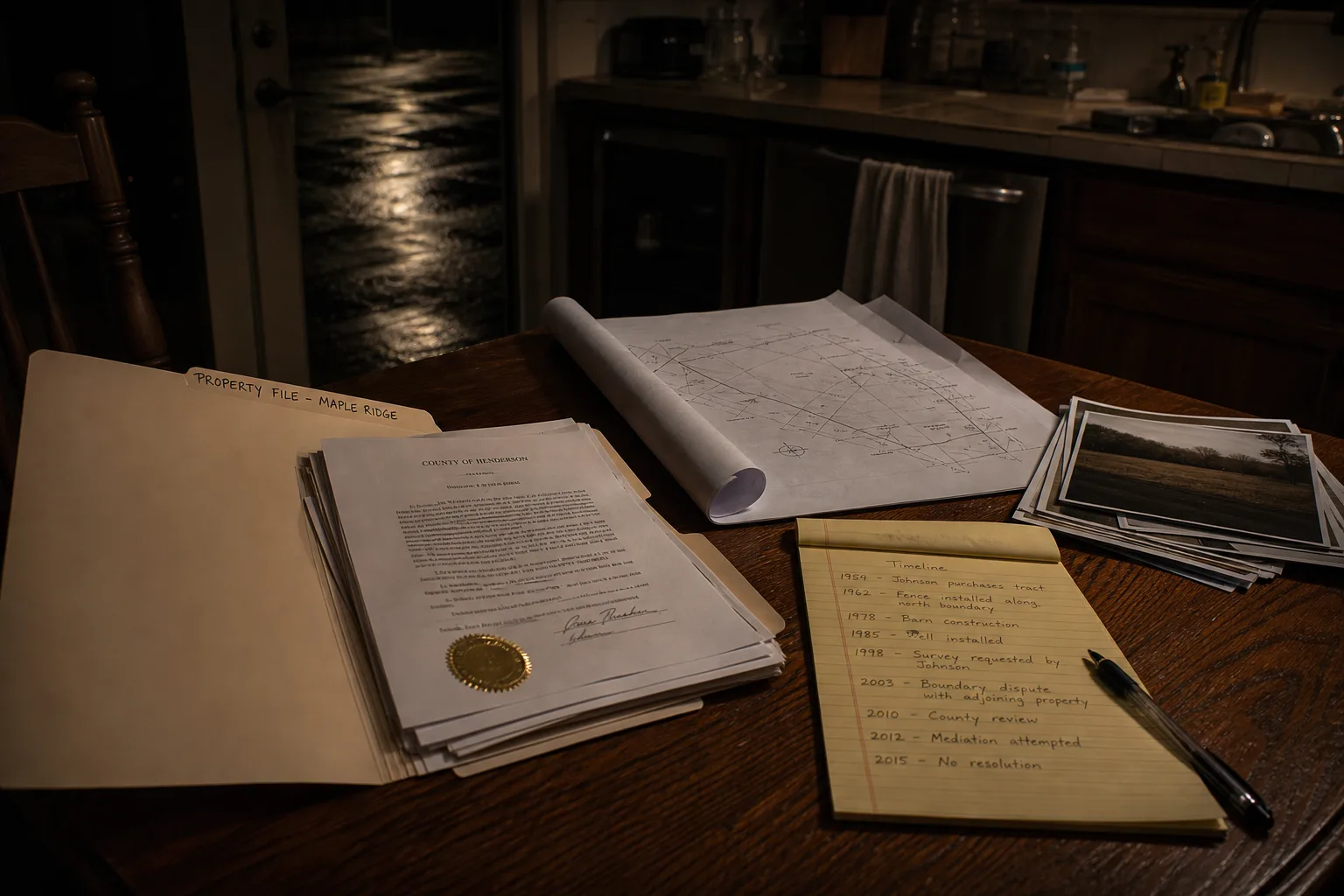
The version that earns back the hour is chronological, thin and labeled. A one-page timeline with dates and the name of whoever was involved at each one. The contract and any change orders. The certified copies. The written estimates. The photographs in date order. Anything you requested but have not received yet, noted with the date you asked and who you asked. That last item matters more than people expect, because it tells the attorney what is already in motion and stops the meeting from ending with a task list of things you could have started three weeks earlier.
The people adjacent to the decision, clerks, surveyors, records clerks, adjusters, are not obstacles in this. They are the supply chain, and they respond well to a specific request with a case number, a parcel number or an account number attached. Start those requests before you book the appointment. The meeting then becomes what it should be, which is a professional reading real documents and telling you what your options actually are.