Complaining in the Wrong Order Costs You Later, and the Bill Shows Up Somewhere Else
Each way of pressing a complaint is a tool with a job it suits, and reaching for the heavy one first quietly closes the cheaper options behind you.
- Law & Legal
- Ingrid Halvorsen
- 1,187 words, 5 min
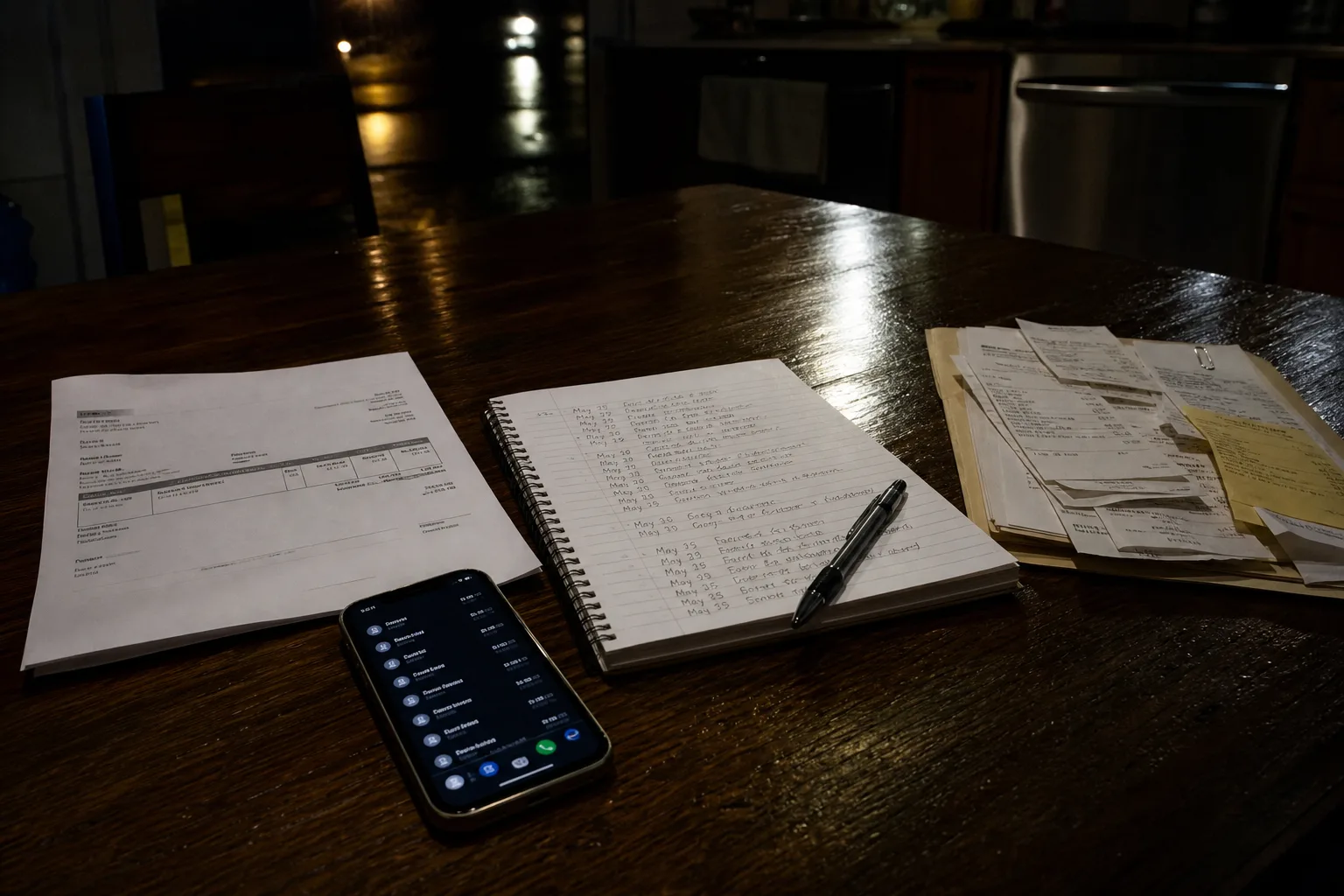
A household has perhaps six ways to press a complaint, and they are not interchangeable. There is the phone call, the written record, the named supervisor, the payment dispute, the outside complaint to a regulator or licensing board, and the courthouse. Most people reach for whichever one feels proportionate to how annoyed they are that morning, which is a reasonable instinct and a poor method. The consequences of a wrong order rarely announce themselves. They show up six weeks later as a closed account, a refused warranty, a service rep who has gone strangely formal, or a refund that stopped being possible the day you did something else.
The cheap tools do most of the work, and they leave the others available
The first call is not the complaint. It is the diagnostic, the thing you do to find out what the other side already knows, who has authority over your file, and whether this is a policy problem or a person problem. That distinction decides everything that follows, because a policy problem never gets solved by a more emphatic version of the same call. Keep it short, ask for the name and a reference number, and ask what the next step is if this one does not resolve it. Then write it down the same day. A contemporaneous note costs you four minutes and is worth more later than any amount of recalled indignation.
The written follow-up is the second tool and the most underrated one. An email that summarizes what was said, names the person who said it, and states plainly what you want does three jobs at once: it corrects the record while memory is fresh, it converts a phone conversation into something a third party can read, and it puts a date on the clock. Households skip this step constantly because the call felt productive. Six weeks on, the call is gone and the email is the only thing that survives. Buying the habit is cheap. Not having it is what makes every later step more expensive.
A chargeback is a heavy tool and it does not go back in the box
Disputing a charge with your card issuer feels like escalation within the same conversation. It is not. It moves the matter out of the merchant's customer service function entirely and into a formal process between two financial institutions, and the merchant learns about it as a claim rather than a request. Some businesses respond by closing the account, refusing future service, or flagging the customer internally, and they are generally within their rights to do so. Others lose the ability to offer the discretionary goodwill they had been about to offer, because once the file is a dispute, the person you were talking to no longer decides anything.
None of which makes the chargeback a bad tool. It is the right one when a merchant has stopped answering, when goods never arrived, when a cancellation was ignored, or when the amount is large enough that the relationship is over anyway. The Consumer Financial Protection Bureau oversees how consumer payment disputes and complaints against financial providers are handled, and the process exists precisely because some situations need a party with leverage the household does not have. The judgment call is timing. Used after a documented refusal, it is powerful. Used instead of the first email, it spends your leverage on a problem that a phone call would have closed.
Going outside changes who answers you, and how they are allowed to answer
The same shift happens, in a different register, with public reviews, licensing board complaints, state attorney general filings, and letters that mention lawyers. Each of them takes the file away from the person who wanted to fix it and hands it to someone whose job is managing exposure. That new person is often more responsive, more careful, and considerably less generous. A contractor who would have returned to reseat a run of trim on a Saturday will, once a board complaint is docketed, do only what the contract requires and document every minute of it. A store manager with a small discretionary budget loses access to it the moment corporate legal is copied.
Understood as a tool rather than a threat, the outside complaint has clear uses. It suits situations where the internal route has genuinely been exhausted, where the harm is safety related, where a license is the thing the other party actually cares about, or where a pattern needs recording so the next household gets a faster answer. It also suits the case where you have decided the relationship is finished and you want the record to exist. What it does not do is accelerate a repair from someone who was already willing to make it.
The tool you hire for a day versus the one you buy outright
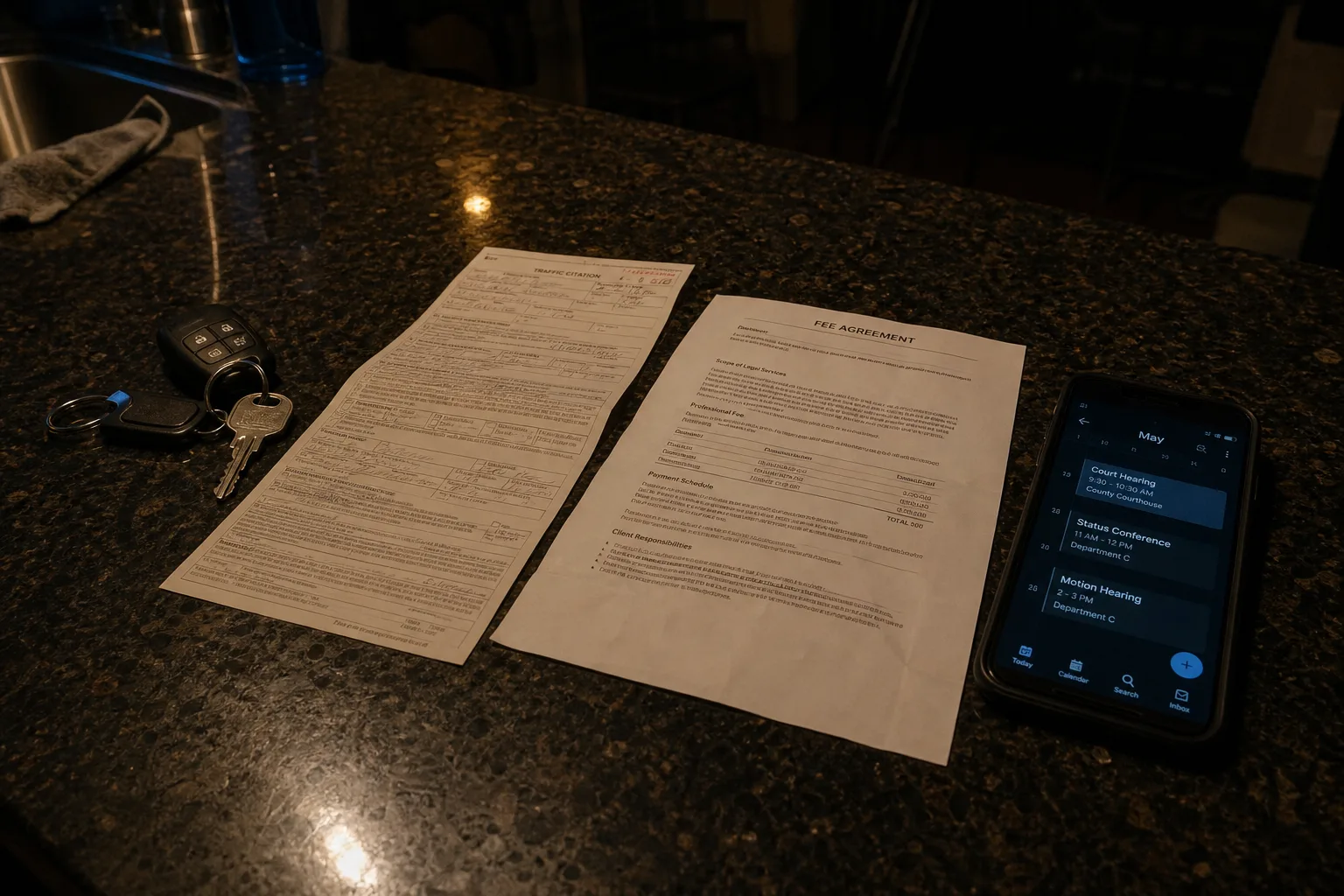
Small claims court is the day rental. Filing fees are modest, most states let you appear without an attorney, and the ceiling is high enough to cover the disputes households actually have: a deposit withheld, an appliance installed wrong, a deck that failed in its first winter. What it asks in return is a file. Dates, the written summaries you sent, photographs, the estimate from the second contractor, the invoice, the text message where someone agreed to come back. People who lose these cases usually lose on proof rather than merit, which is a documentation failure dressed up as a legal one.
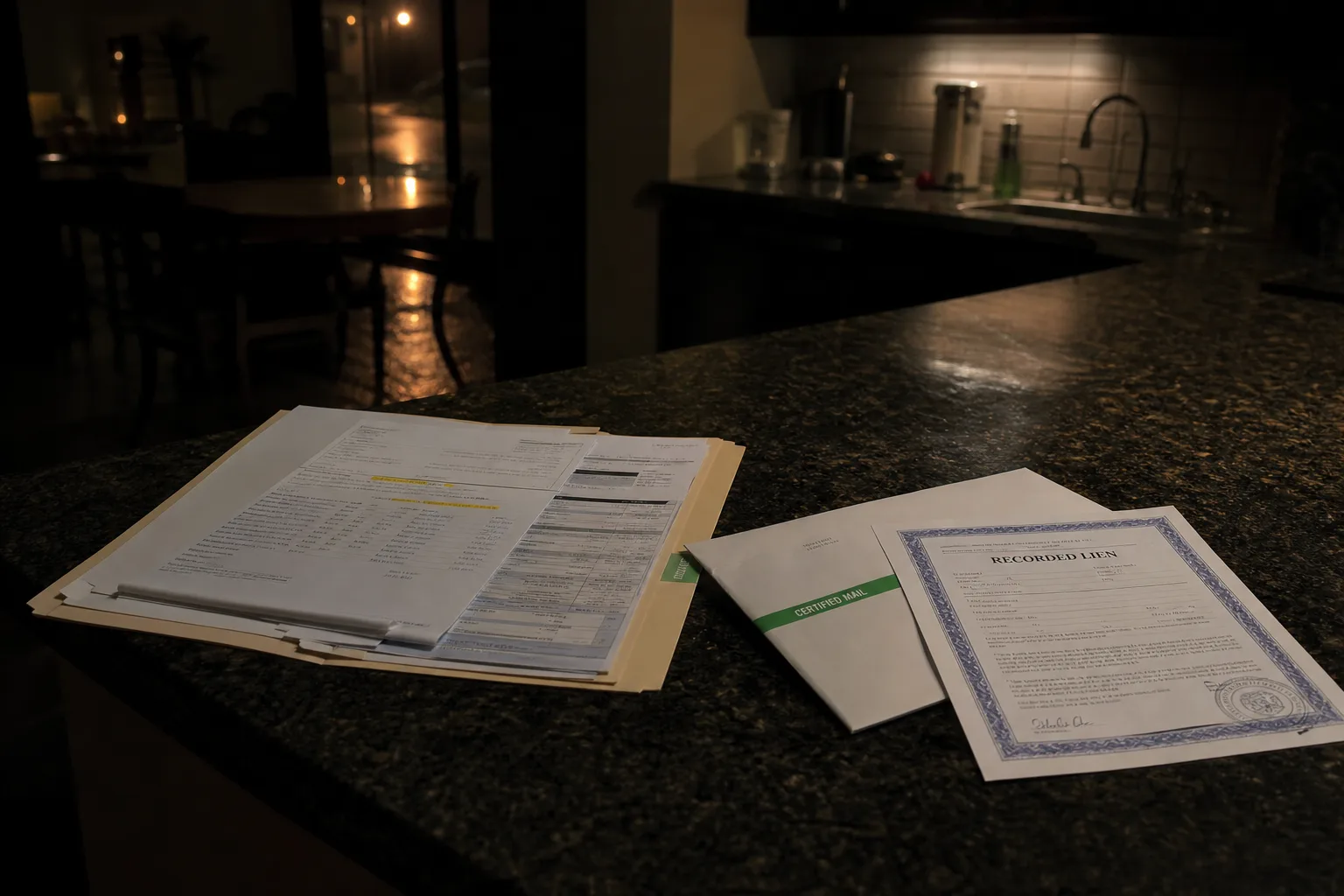
Retaining an attorney is buying the tool outright, and it is the right purchase less often than people expect and more often than they admit. It is worth it when the amount exceeds the small claims ceiling, when a lien has been filed against your house, when a contract has a clause you cannot read confidently, or when the other side already has counsel. One paid consultation, scoped to a specific question, sits usefully between the two: it prices the dispute, tells you which forum fits, and frequently tells you that the step you were about to skip is the one that wins it.
The order is the method, and the record is what makes it work
Run the sequence lightest to heaviest and each step makes the next one stronger, because you arrive with a written history rather than an assertion. Run it the other way and the early tools become unavailable: the goodwill refund is off the table, the friendly supervisor is now routing everything through compliance, and the informal fix that would have taken a Saturday morning has become a matter requiring a scheduled appointment and a signed release. The households that resolve things quickly are rarely the loudest ones. They are the ones who spent four minutes writing down a name, a date, and a promise, and who kept the heavy tools in reserve until they were the right tools for the job in front of them.
Start the file on the first call, before you know whether you will need it. That single habit is what turns every later option from a gamble into a choice you can make on the evidence.