Five Things to Check Before the First Legal Meeting, and Why the Intake Form Asks Them First
The questions a law office asks before you ever sit down were built by conflict rules and insurers, and knowing what they are for changes how the first hour goes.
- Law & Legal
- Clement Boateng
- 1,174 words, 5 min
The received wisdom is that you should walk into a first legal meeting with everything, a full box, every scrap, and let the attorney sort it out. That advice was sound when intake was a conversation in a chair and the meter did not start until someone opened a file. It is now half true at best. Most of what happens before you sit down happens without you, in a database, and the meeting you get is shaped by answers you gave to a form or a paralegal on the phone. Five checks decide whether that hour produces a plan.
1. The other side's exact legal name, spelled as it appears on paper
Before an attorney can talk to you about your matter in any real detail, the firm runs a conflict check, which means searching its own client and adverse-party records for every name you have mentioned. That step exists because state bar rules make representing both sides of the same dispute a serious problem, and because malpractice insurers began requiring documented screening as a condition of coverage. From your side it looks like a delay, or a form asking for information you think is obvious. What it actually needs is precision: the contractor's LLC name from the contract, not the name on the truck.
A mismatch here is the failure that most reliably wastes a first meeting. If you say Kowalski Roofing and the contract says KJK Exteriors LLC doing business as Kowalski Roofing, the conflict search clears, the meeting happens, and then someone discovers that the entity you have a claim against is one the firm already represents. Everything stops. Pull the legal name off the contract, the insurance declarations page, the lease, or the state's business registry, and give that. Include the individual names too, since conflicts attach to people as often as to companies.
2. The earliest date that anyone could call the start of the clock
Nearly every legal matter has a deadline running behind it, and in a first meeting the attorney is trying to locate that deadline before anything else, because it governs what is still possible. Statutes of limitations, notice provisions in contracts, claim windows in insurance policies, and administrative filing periods for employment or discrimination complaints all begin on a date, and the date is often disputed. Your job is not to decide which one controls. Your job is to arrive knowing every candidate: the day the work was finished, the day you noticed the problem, the day you first complained.
This is the part of intake that changed most in the last two decades. Firms took on more matters where the clock had already run out, absorbed the cost of telling people so, and responded by moving the date questions to the front of the process. That is why the online form asks when the incident happened before it asks what happened. Write the dates down in advance, with the document that proves each one, and you convert a guessing exchange into two minutes of confirmation.
3. Your documents in the order events happened
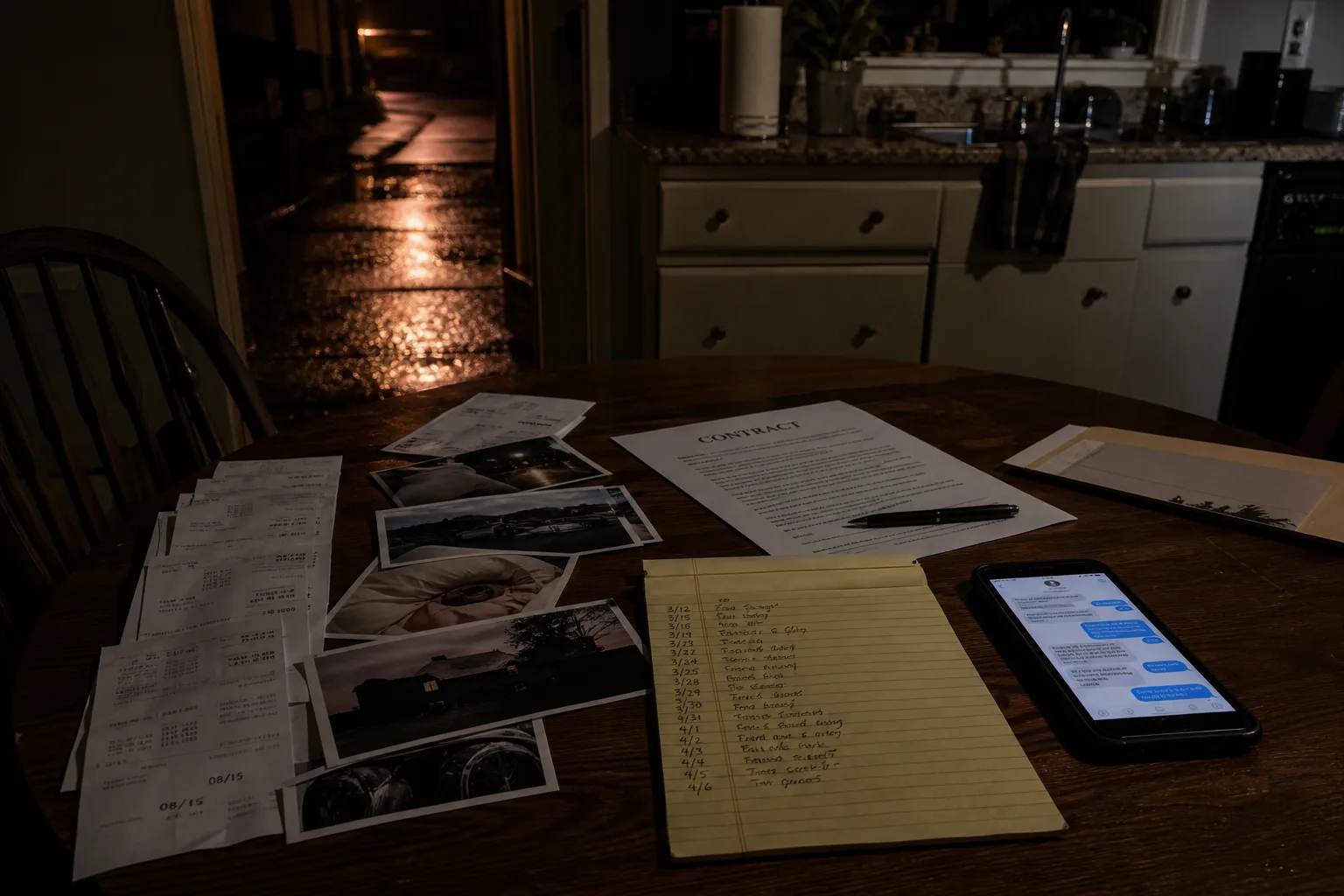
Chronology is the organizing principle of every legal file, and it is not how households store paper. People keep documents by type: contracts together, invoices together, photographs in a phone album, texts in a thread nobody has read since spring. An attorney reading that has to rebuild the sequence before forming any view, and rebuilding it at the hourly rate is the single most expensive thing you can hand over. Sorting the same material by date, oldest first, with a one-line note on each item saying what it is, costs you an evening and buys back most of an hour.
Do not curate. The instinct to leave out the email where you lost your temper, or the invoice you paid late, is the instinct that surprises your own attorney in front of the other side six months later. Include the unflattering documents and flag them, because an attorney who knows about a weak fact early can usually work around it, and one who learns about it during a deposition cannot. Text messages should be exported or screenshotted with dates visible, and photographs are worth far more when the metadata still shows when they were taken.
4. What you actually want, stated as a result rather than a feeling
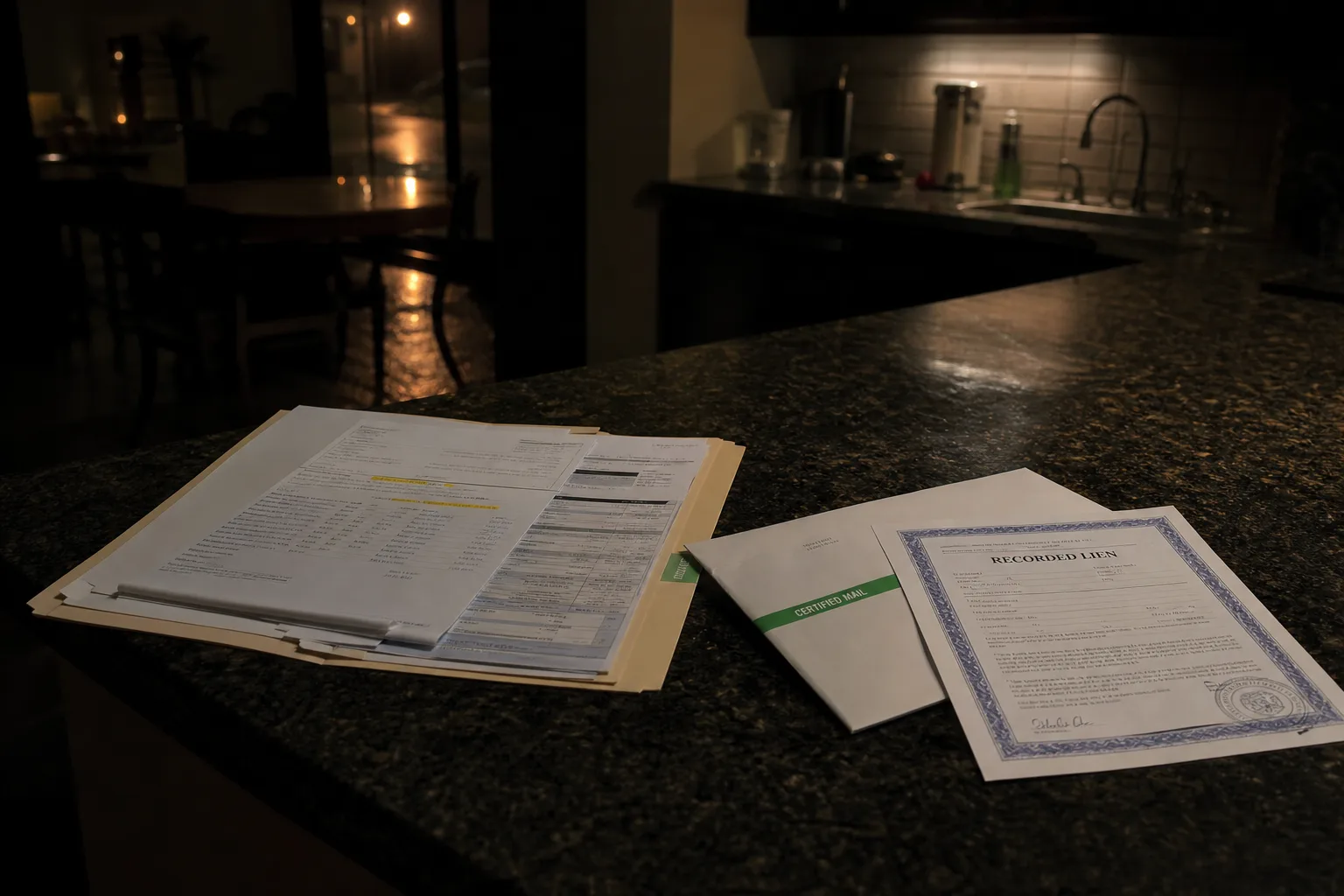
The question that stalls more first meetings than any other is what outcome you are after, because the honest answer is often that you want the other party to admit they were wrong. That is a real want and no legal process delivers it cleanly. What a process can deliver is money, a signed release, a corrected record, a removed lien, an order to stop doing something, or a negotiated exit. Deciding in advance which of those you would accept, and which you would not, lets the attorney tell you what each one costs and how long it takes.
Consumer-facing agencies have pushed this framing along. The Federal Trade Commission oversees consumer protection complaints and the practices that generate them, and the rise of formal complaint channels in the last generation trained people to describe a desired remedy rather than a grievance. That habit transfers. Arrive with a sentence: I want the roof replaced or the cost of replacement, and I would settle for the cost. An attorney can price that. Nobody can price a demand for acknowledgment.
5. How the fee works, and who is paying it
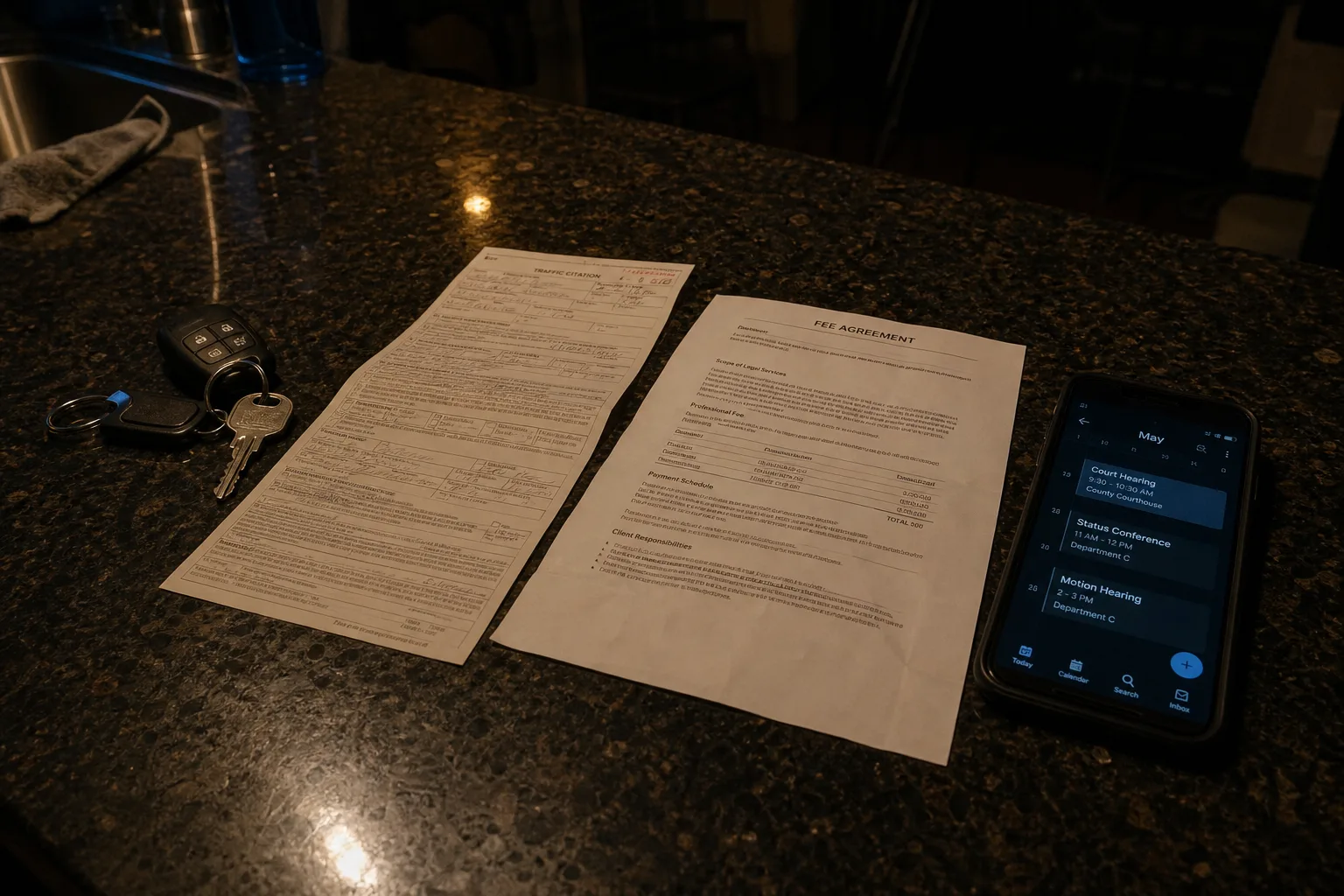
Ask for the fee structure before the meeting, not at the end of it, and ask in writing. Hourly practice bills in increments, usually tenths of an hour, so a two-minute phone call is not free and a long email thread is not cheap. Contingency work takes a percentage of recovery and shifts the risk, but the percentage and the treatment of costs vary. Flat fees exist for bounded work: a demand letter, a review of a settlement agreement, an entity formation. Unbundled arrangements, where the attorney handles one defined piece and you handle the rest, have become common enough to ask for by name.
Then check whether someone else is already obligated to pay. Homeowners and auto policies frequently include a duty to defend, which means your insurer must provide counsel for claims against you, and using your own attorney instead can forfeit coverage. Employers, unions, credit card benefits, and prepaid legal plans sometimes cover consultations. A first meeting that opens with you knowing the fee model, the retainer amount, and whether an insurer is on the hook will end with a scope of work rather than a proposal to talk again.
Intake became a screening process because firms and their insurers needed it to be one, and the practical effect is that most of the first meeting's value is decided before you arrive. Five checks, done at a kitchen table with the file in front of you, move you from someone describing a problem to someone presenting one. The attorney's hour then goes where you are paying for it to go.