Paid a Deposit in December for Spring Work? The Records That Decide the Dispute
A decade ago a contractor dispute was settled from a paper folder and a check ledger; now the payment method itself carries much of the proof, and some methods carry none.
- Law & Legal
- Farah Siddiqui
- 1,021 words, 4 min

Between Thanksgiving and the middle of January, a large share of home improvement money changes hands for work that will not start until the ground thaws. Roofers book spring tear-offs, HVAC installers take deposits on equipment they will order in February, and fencing crews sell March jobs at December prices. The deposit moves now and the work moves later, which means the gap between paying and receiving stretches across a season. That gap is where disputes live, and what settles them has changed more in ten years than most homeowners have noticed.
The folder became a phone, and the phone forgets
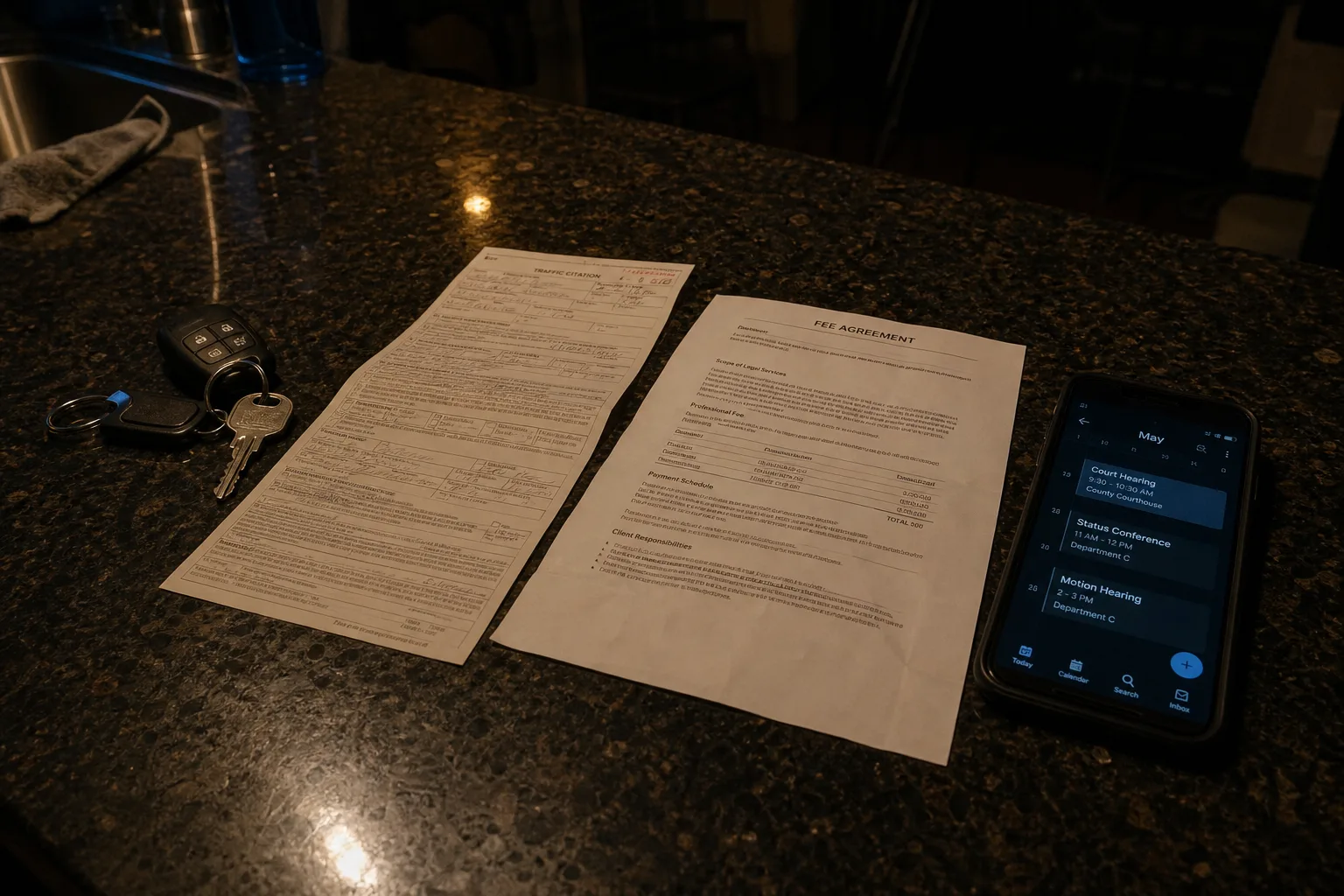
Ten years ago, a homeowner in a fight with a contractor went to a drawer. In it were a signed proposal on letterhead, a carbon copy of a deposit check, two or three invoices with handwritten adjustments, and maybe a certificate of insurance. The record was thin but it was coherent, dated, and all in one place. The same dispute today is spread across a text thread, an email confirmation, a payment app, a lender portal, a shared photo album, and a contractor's own project software that the homeowner can be removed from at any time. There is far more evidence now, and far less of it is in your custody.
That distinction, custody, is the one that decides cases. A screenshot of a text agreeing to a $2,400 change is worth something; the original thread, still on the device, with the sender's number and the timestamp intact, is worth considerably more. Photos taken in the app and shared through messaging often arrive stripped of the data that proves when they were taken. The practical fix is unglamorous and takes about ten minutes a week: email yourself the week's photos as attachments, save PDF copies of anything the contractor posts to a portal, and keep the original texts undeleted rather than trusting a cropped image of them.
How you paid is now half the evidence
A decade back, payment method was a matter of convenience. Now it is a substantive part of your position. A deposit on a credit card creates a billing record, a merchant identity, and a formal dispute channel with deadlines attached. A deposit sent by a peer-to-peer transfer creates a line item saying money left your account and almost nothing else, with no meaningful reversal right once it lands. Cash creates a hole in the file that a signed receipt only partly fills. The Consumer Financial Protection Bureau oversees consumer credit billing disputes, and the difference between having that route and not having it is decided at the moment you pay, not the moment things go wrong.
Contractors know this, which is why the request to pay the deposit by transfer or check, sometimes sweetened by a small discount, has become routine. Occasionally it is honest fee avoidance. Often enough it is a preference for a payment that cannot be pulled back four months later when the spring install slips to July. A reasonable compromise many homeowners now use is to put the deposit on a card and pay progress draws by check against written milestones, so the money most at risk of vanishing is the money with dispute rights behind it.
Financing brings in a third party, and that usually works in your favor
The other change since the mid-2010s is how much of this work is financed at the point of sale. Ten years ago a homeowner borrowing for a new furnace generally went to a bank or a credit union and arrived at the contractor with money already in hand. Today the financing is frequently arranged by the contractor, through a lender that pays the contractor directly on a disbursement schedule. That adds a party who has its own record of what was promised, its own dated file, and its own interest in the work being completed, which is often the most reliable independent account of the timeline anyone has.
Winter promotional financing deserves particular attention because of how it interacts with a spring start date. Deferred interest offers, the ones that charge nothing if the balance is cleared inside the promotional window, run from the date the lender funds, not the date the crew shows up. A twelve-month promo funded in December on a job that starts in April has already spent a third of its life before the first shingle comes off. Ask the lender, in writing, for the funding date and the promo expiration date. That single email is both a budgeting tool and, later, a dated document that fixes the timeline better than anyone's memory of a sales visit.
The ordinary week that builds the file
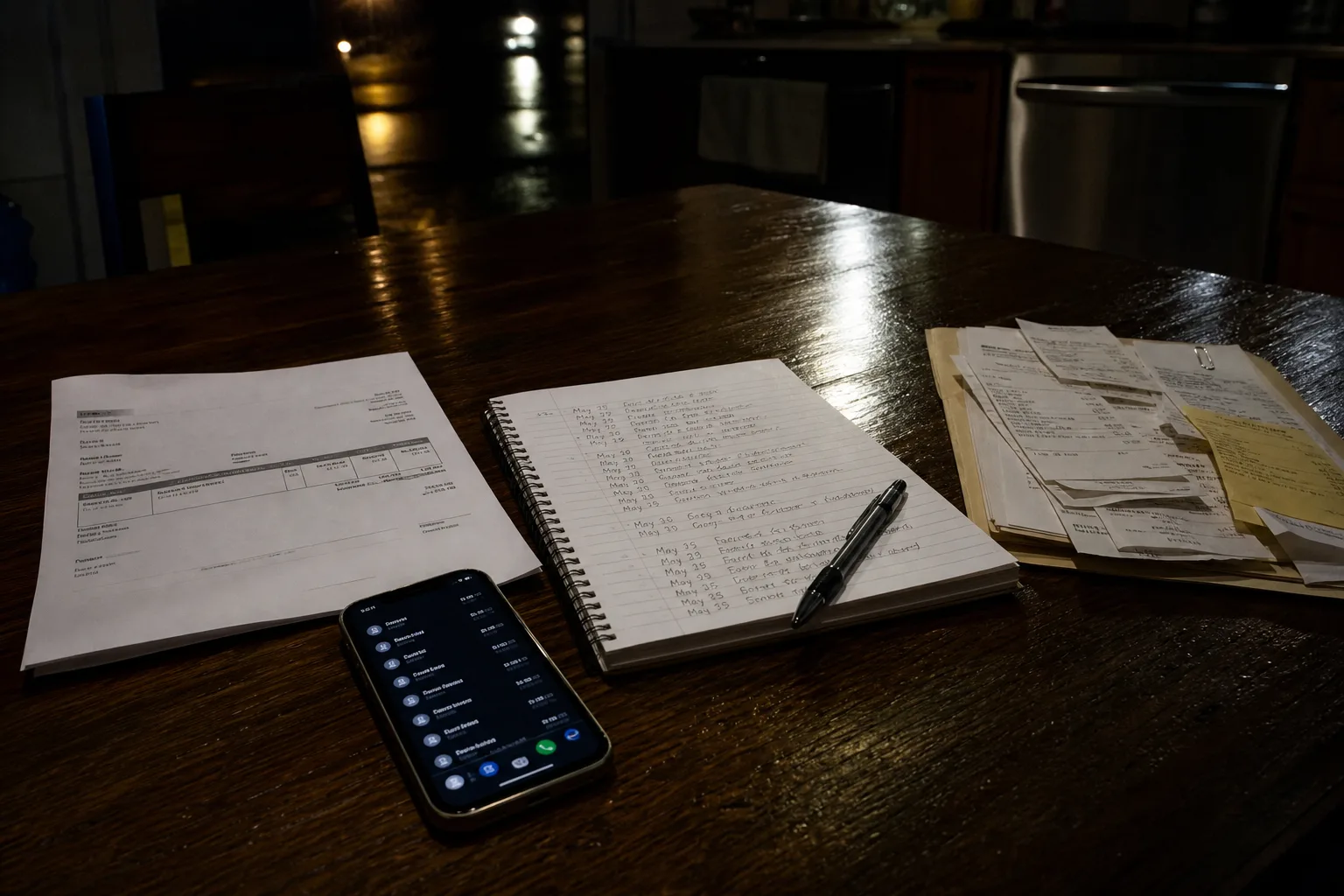
Nobody keeps a construction diary. What people can sustain, across the eight or nine weeks a mid-sized job actually occupies, is a short weekly note: the date, who was on site, what was done, what was said about the schedule, and any number that was mentioned. Written the same week, it reads as a record. Reconstructed in month five from memory, it reads as advocacy, and any adjuster, mediator, or small claims judge can tell the difference immediately. Weather is worth logging too, because winter delay arguments turn on whether conditions genuinely prevented work on specific days.
Verbal change orders are still the most common failure point, and the most easily solved. A one-line confirmation email after the conversation, stating what changed and what it costs, converts an argument about who remembers what into a document with a date on it. Contractors who intend to honor the change rarely object. The ones who do object have told you something useful early, while the deposit is the only money at stake and the season has not yet closed around the decision.
The season sets the trap and also gives you the time to work around it. Money paid in December for April work sits exposed for months, and the homeowner who spends that stretch collecting funding dates, confirming changes in writing, and keeping copies in their own custody arrives at any disagreement holding the coherent file that used to come free in a drawer.