Reading a Funeral Bill? The Line Items You Are Paying Someone Else's Price For
An itemized funeral statement is four different kinds of purchase stacked in one column, and one of them is money the funeral home never keeps.
- Living
- Ingrid Halvorsen
- 1,076 words, 5 min
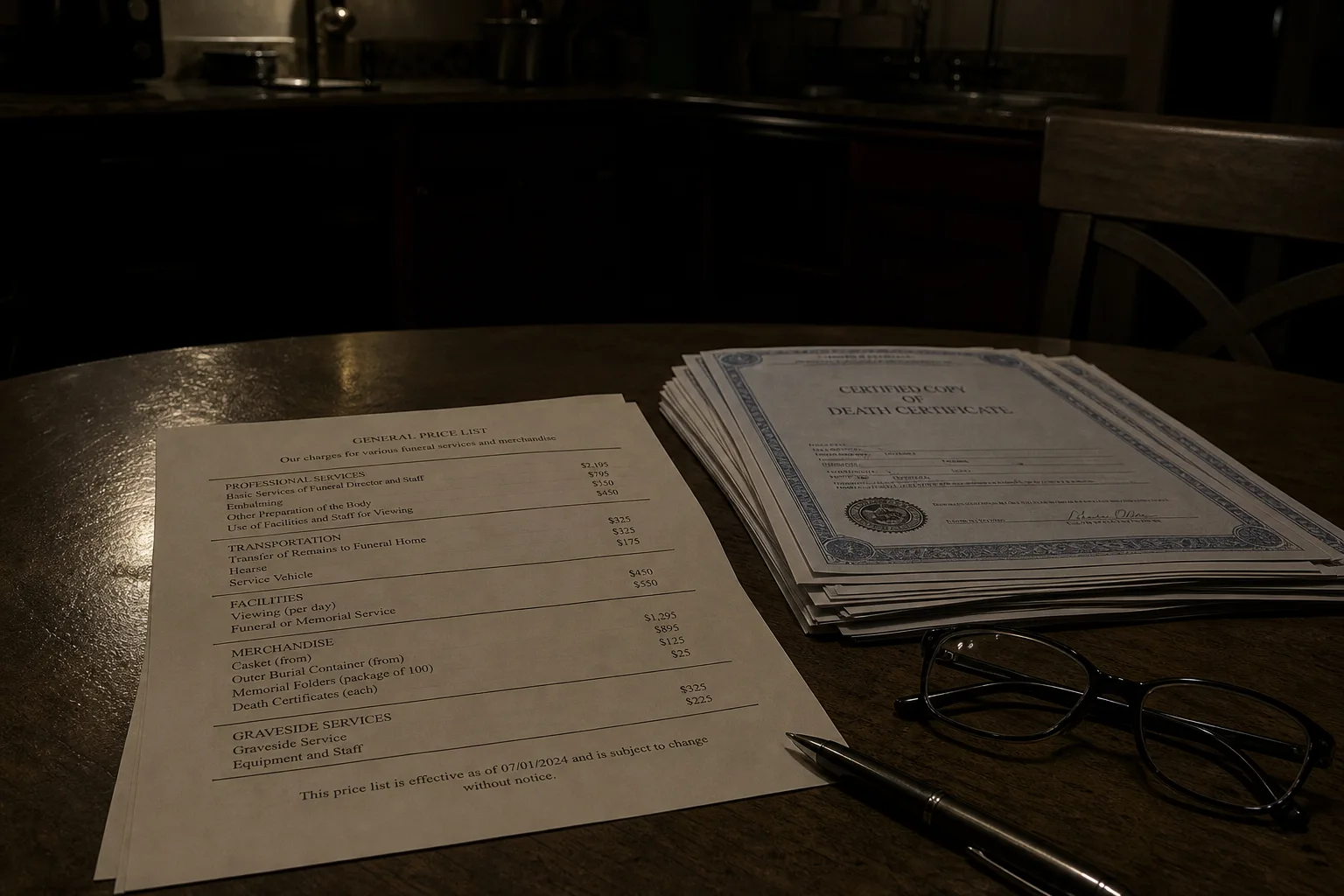
An itemized funeral statement looks like a single purchase and is actually four, and the four behave nothing alike once you start asking which parts are optional. One block is a professional fee that comes with the door and cannot be declined. One is time in a building, priced much the way a day rate is priced. One is merchandise, where the gap between the plain version and the expensive version is wider than in nearly any other retail category. And one is money the funeral home collects, passes straight through, and never keeps.
One fee you cannot decline, and three blocks you can
The basic services fee of the funeral director and staff is the overhead line: the arrangement conference, the paperwork, the permits, the coordination with the cemetery or crematory, and the fact that somebody answers the phone at two in the morning. It appears on every arrangement, whether you are holding a three-day visitation or a direct cremation with no service at all. The Federal Trade Commission oversees how funeral providers disclose their prices, and the practical effect for a family is that you are entitled to an itemized list and to buy only the items you want.
Everything below that fee is selectable, and several of the items families assume are mandatory are not. Embalming is the clearest example. It is rarely required by state law for a burial or cremation on an ordinary timeline, but it is often required by the funeral home's own policy if you want an open-casket viewing with the public present. Refrigeration, a private family identification viewing, or simply a shorter interval between death and service are the alternatives, and each of them is a different line at a different price.
Facility and staff time is a rental, and rentals are priced by the day
The visitation room, the chapel, the staff who work the service, the hearse and the lead vehicle are all charged as use of something the funeral home owns for a defined window. This is the part of the bill that behaves like equipment hire. You are paying for a building and a crew for an afternoon, not for anything you take home, and the honest question is whether the job genuinely needs that particular room for that particular length of time. A one-hour gathering held in a church hall, a fraternal lodge, a restaurant back room, or a graveside canopy removes the facility line entirely.
Vehicles work the same way, priced per trip rather than per day, which is why a service and a burial in two different towns costs more than the same two events on one site. Families who want the funeral home's chapel usually want it for a good reason: parking, seating, a staff member who knows where the restrooms are and when to close the doors. That is a real service and it is worth the day rate. It is simply a decision, and it should be made as one rather than absorbed into a package.
Merchandise, and the two places buying cheap costs more
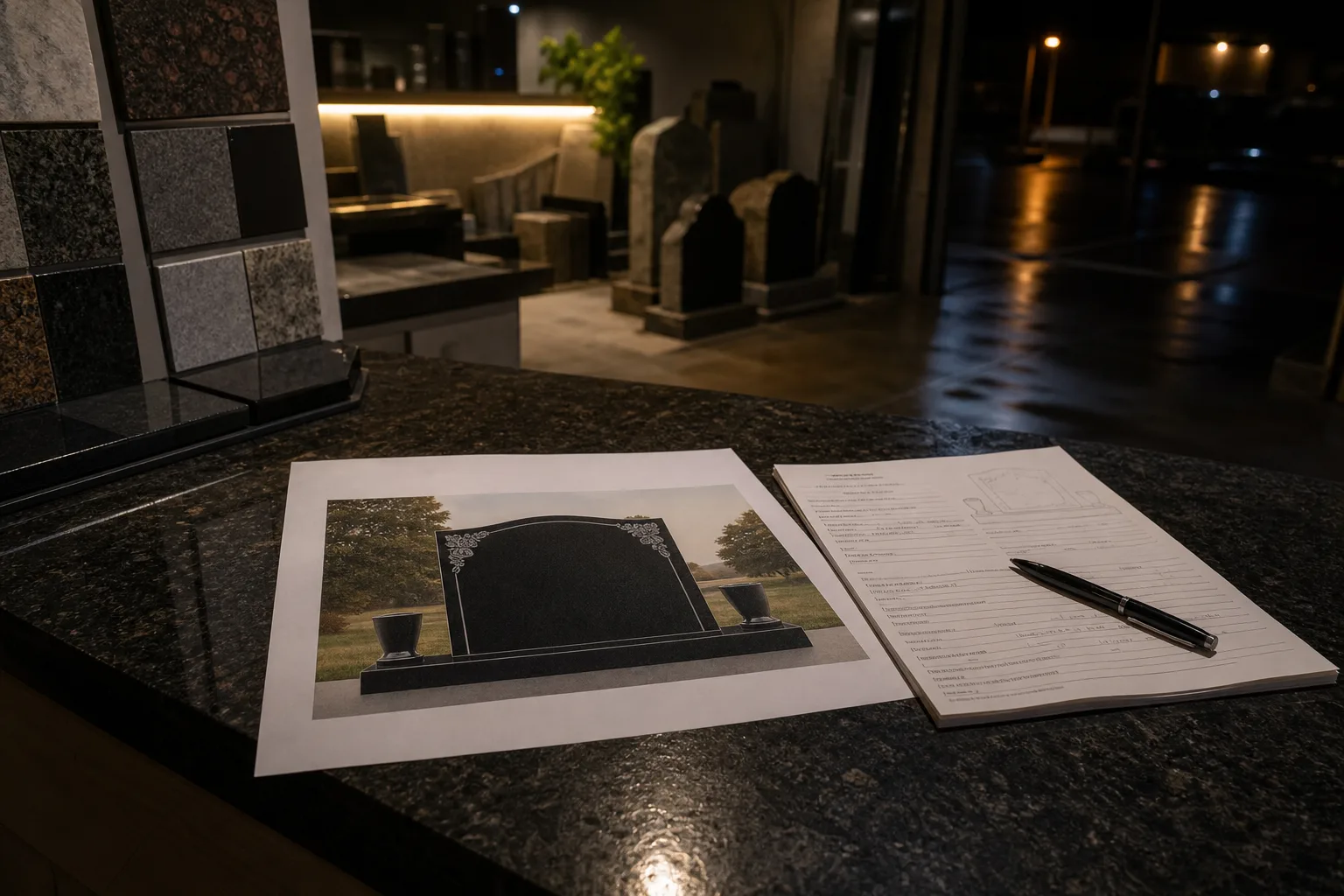
Caskets, outer burial containers, and urns are the widest spread on the statement, and the one place where you have the most direct leverage. A funeral provider is required to accept a casket you purchased elsewhere and cannot charge you a handling fee for using it. For cremation, an unfinished wood or heavy cardboard container is standard and adequate, and a rental casket with a removable insert covers a viewing beforehand without buying a casket that will be burned.
Two economies backfire. The first is buying merchandise before you know what the cemetery requires, because the outer burial container specification, the vault versus the simple grave liner, comes from the cemetery's own rules rather than from state law, and a container that does not meet the spec is a container you buy twice. The second is treating a gasketed or sealed casket as protection you are paying for. It does not preserve anything. Buy the box you want to look at, in the material you want, and let the sealing feature be irrelevant to the price you accept.
The party most people never account for: everyone who is not the funeral home
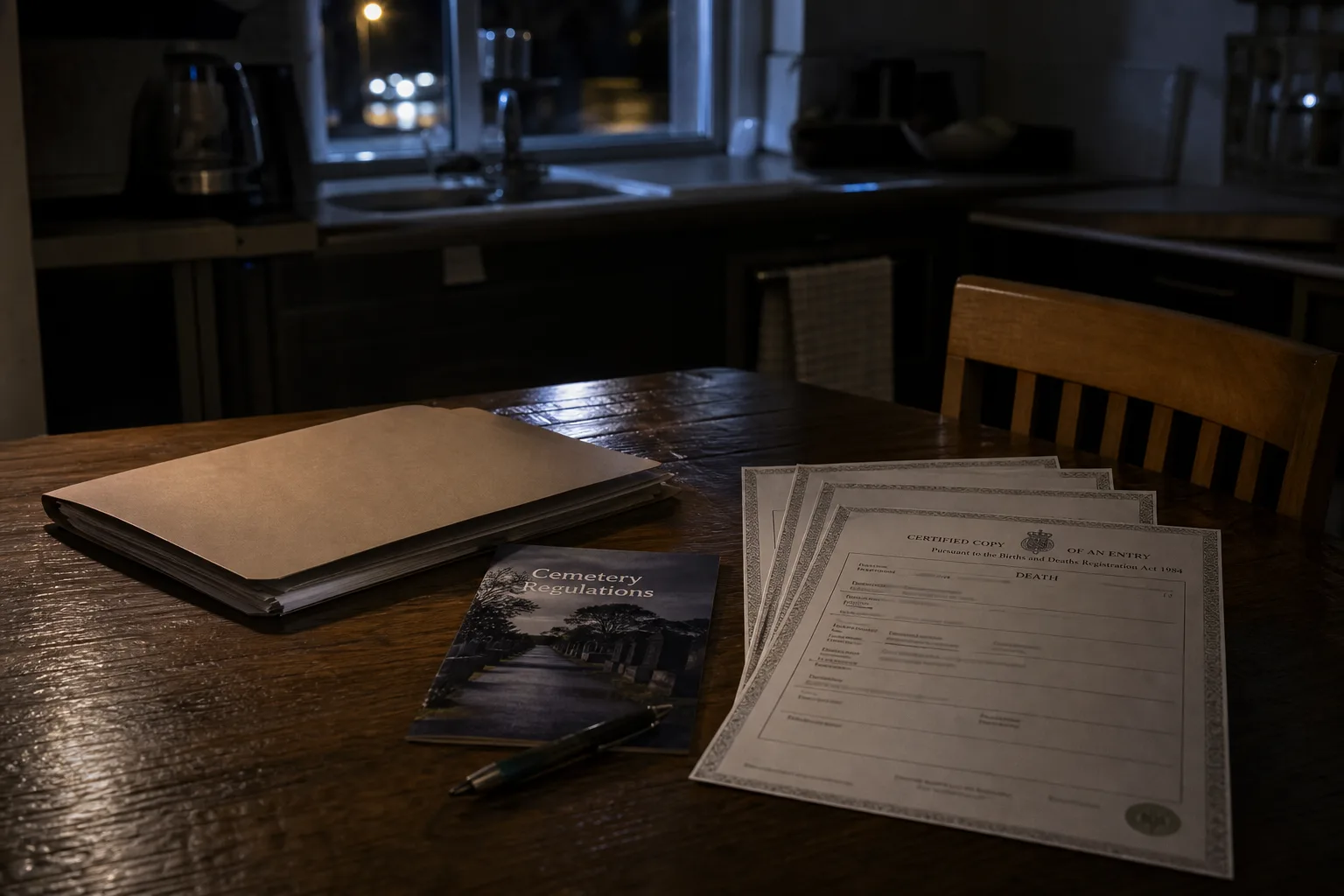
Near the bottom of most statements sits a group of charges variously labeled cash advances, accommodations, or disbursements, and they are the ones families overlook because they arrive bundled in with everything else. These are payments to outside parties. The county vital records office for certified copies of the death certificate. The newspaper for the obituary. The cemetery for opening and closing the grave and for recording the interment. The crematory, if it is a separate business. The clergy honorarium, the musicians, the florist, the caterer, the death transit permit, and in some jurisdictions a medical examiner or coroner fee before a cremation can proceed.
The funeral home is acting as your purchasing agent on all of it, and a provider that adds a service charge or takes a rebate on those items has to tell you so. That single disclosure is worth reading closely, because several of these you can buy directly with one phone call. Certified copies are the most common miss: order enough at the outset for the bank, the insurers, the retirement plan, the title transfers, and the Social Security notification, because the per-copy price the county charges is the same either way and reordering three months later costs another round of forms and waiting.
Comparing two routes to the same afternoon
Take one family with a fixed budget and two ways to spend it. The first route buys the full arrangement from one provider: basic services, embalming, visitation in the chapel, a mid-range casket, the hearse, and the cash advance items handled on their behalf. The second buys the non-declinable fee, transfer, refrigeration, a direct burial or cremation, and then runs the gathering itself at a hall the family already has access to, ordering the certificates from the county and placing the obituary directly. The second route is not a lesser funeral. It is the same afternoon with the pass-through parties dealt with in person.
Ask for the itemized price list before any decision is made, and read it in four passes: what is non-declinable, what is time in a building, what is merchandise, and what is somebody else's price. The fourth pass is where families find money they did not know was theirs to move.