Annual Checklist Gone Stale? The Four Triggers a Maintenance Crew Uses Instead
Practitioners who maintain hundreds of units have quietly abandoned the calendar checklist, and what replaced it is shorter, event-driven, and easier for a household to copy.
- Home & Property
- Clement Boateng
- 870 words, 4 min
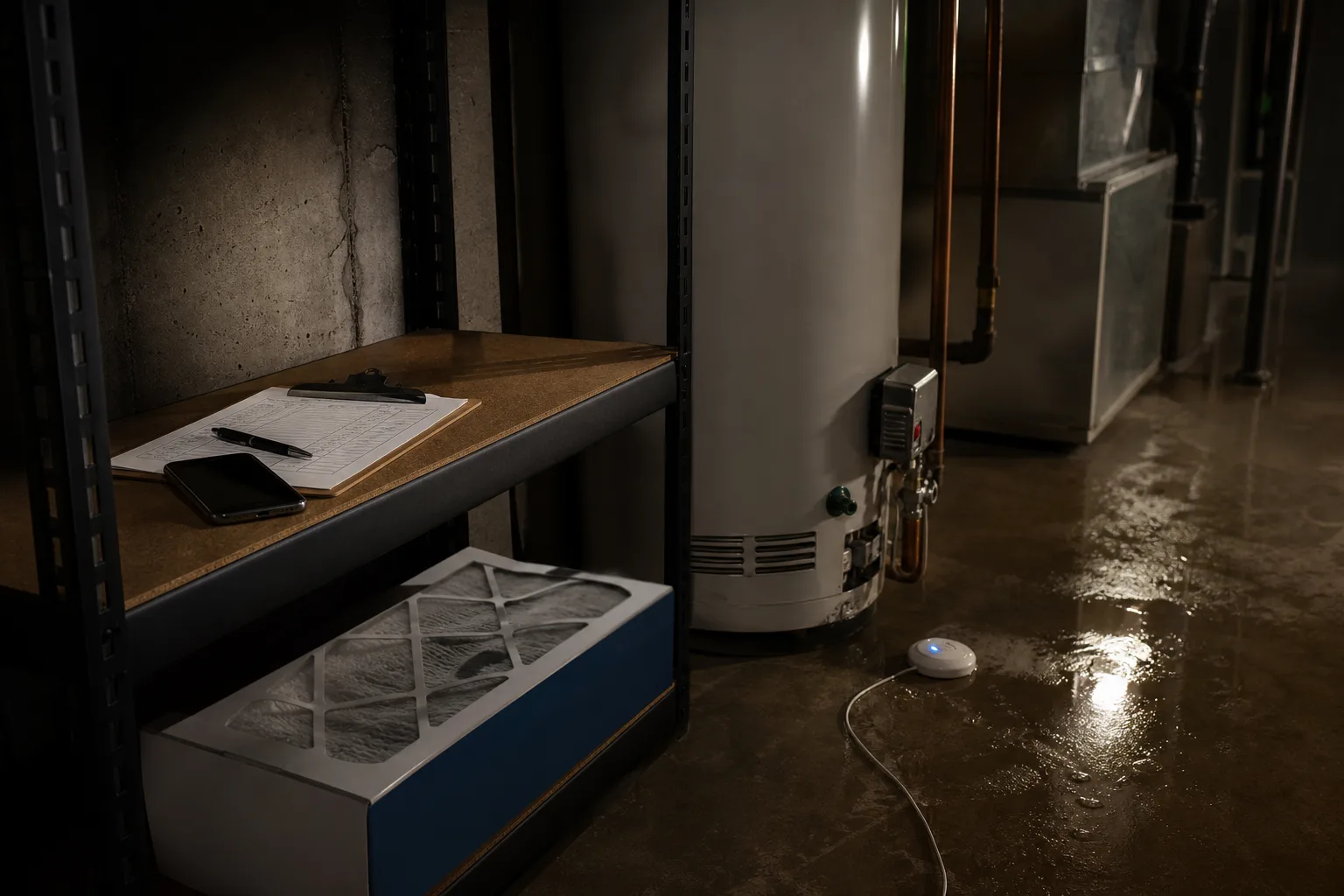
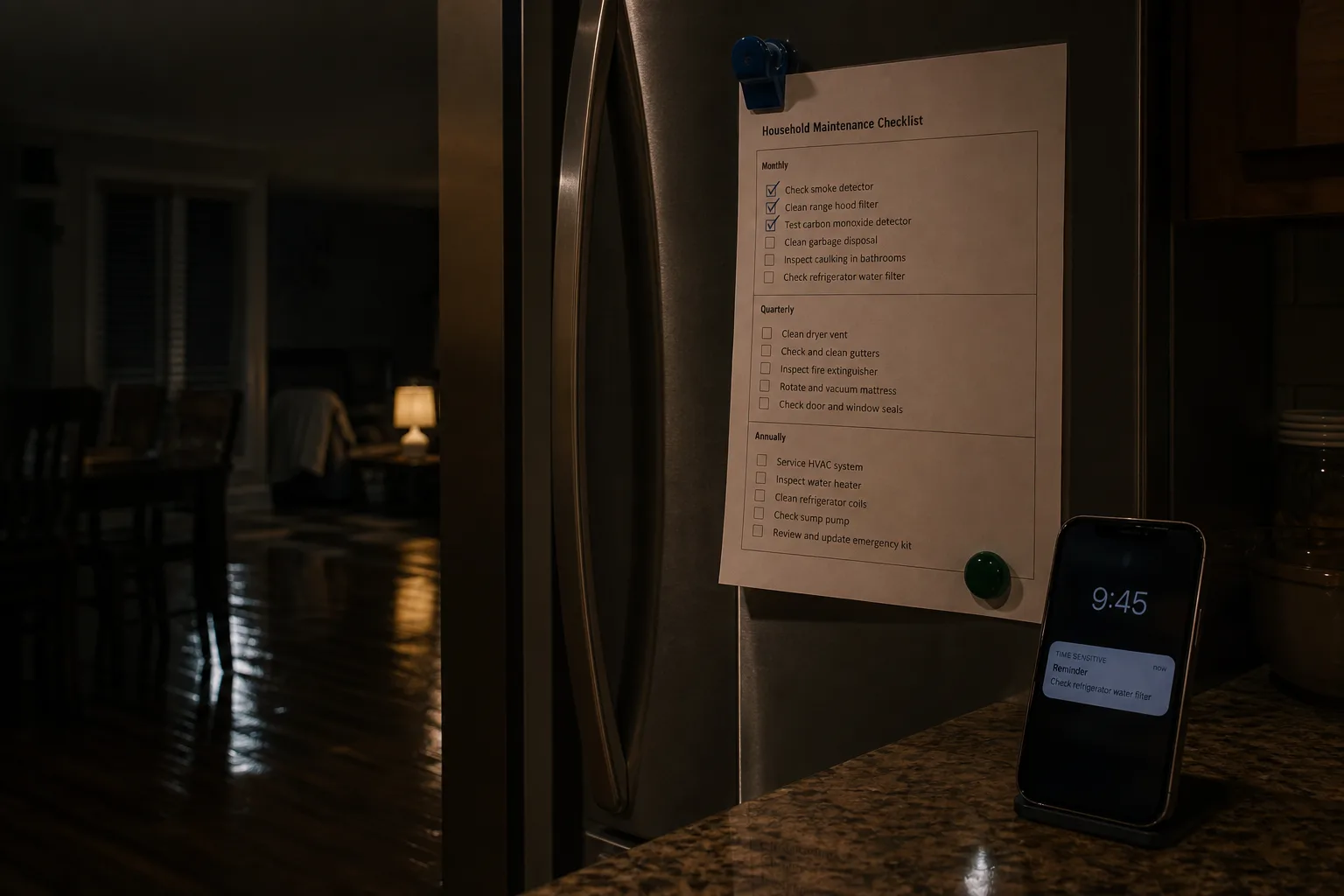
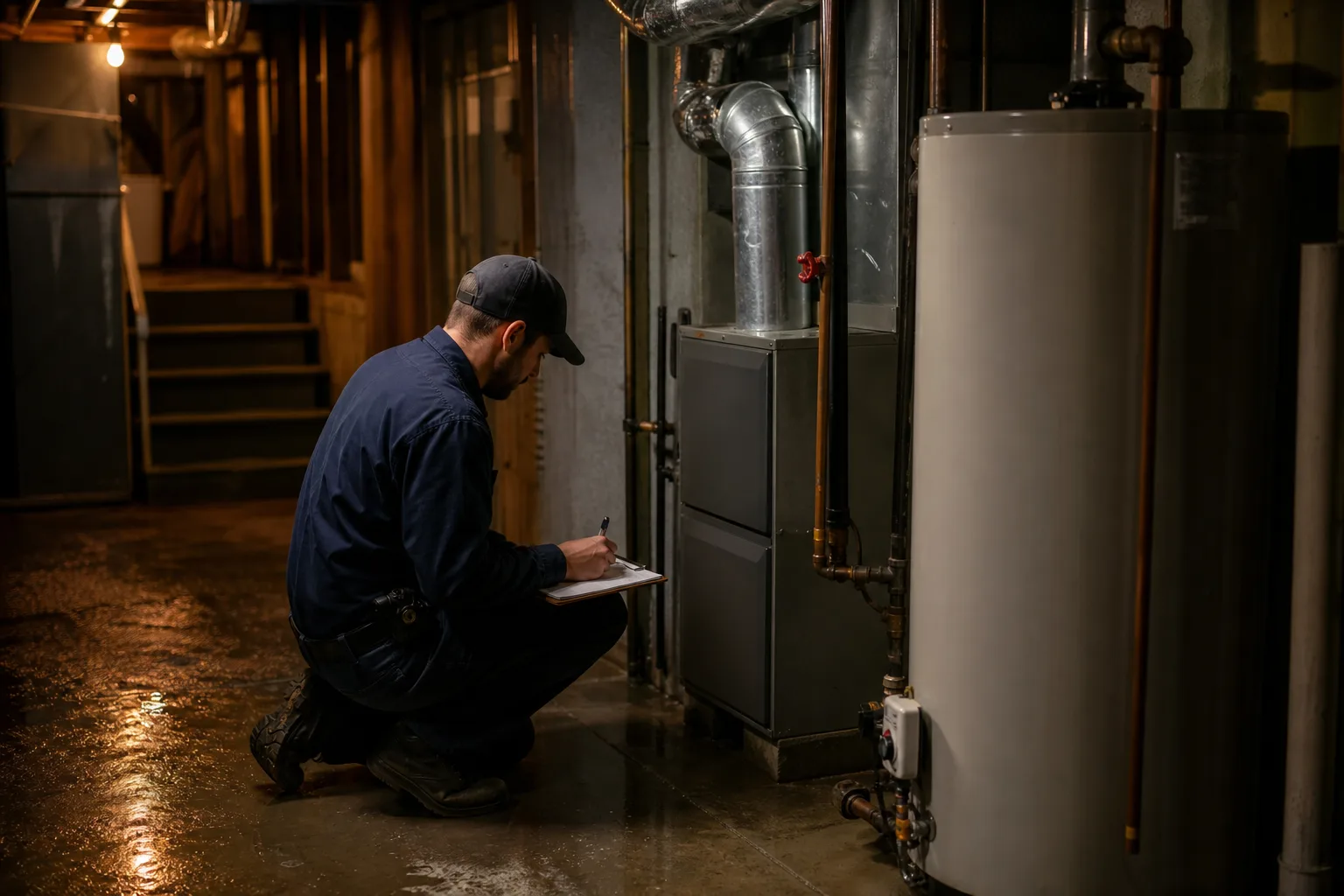
The people who maintain buildings for a living stopped believing in the seasonal checklist some years before homeowners did. Talk to a maintenance supervisor responsible for a few hundred rental units, the kind of practitioner whose work sits directly alongside the decisions a household makes about its own upkeep, and the story is consistent: the twelve-month grid printed on the office wall was never finished, the last third of it was signed off in a hurry, and the failures that generated emergency calls were rarely the items the grid covered. What replaced it is shorter, blunter, and built around events rather than dates.
Why the calendar version quietly collapsed
The problem with a dated schedule, as practitioners describe it, is that it treats every task as equally likely to matter in the month it was assigned. Gutters get cleaned in October because the chart says October, whether or not the trees have finished dropping, and the water heater gets flushed in spring because someone in 1996 decided spring was for water heaters. Meanwhile the actual sources of expensive damage, supply lines behind washing machines, condensate drains on air handlers, and sump pumps that nobody has heard run in eighteen months, sit in a footnote. Crews learned to sort tasks by what fails, not by season.
The second failure was volume. A list of forty items produces the same result in a maintenance department as it does in a household: the first nine are done properly, the next dozen are done at speed, and the rest are inherited by next year's list. Supervisors who cut their standing schedule to a handful of items reported the opposite of what they feared. Completion went up, and so did the quality of each inspection, because a technician with four things to check actually opens the panel and looks rather than glancing and initialing.
What changed in the last few years
Three things shifted the practice, and none of them were philosophical. Cheap water sensors and automatic shutoff valves arrived at a price point where a portfolio manager could put one under every washer and dishwasher, which converted an inspection task into a notification task. Filter subscriptions did something similar to the most-skipped item in residential maintenance: a box arriving on the porch every ninety days is a better reminder than any phone alert, because the box sits in the hallway until somebody deals with it. And equipment itself changed, with heat pumps replacing furnaces in a growing share of homes, which broke the old winter-and-summer rhythm entirely. A heat pump runs most of the year. It wants attention on both sides of the coil, twice, and it does not care about the equinox.
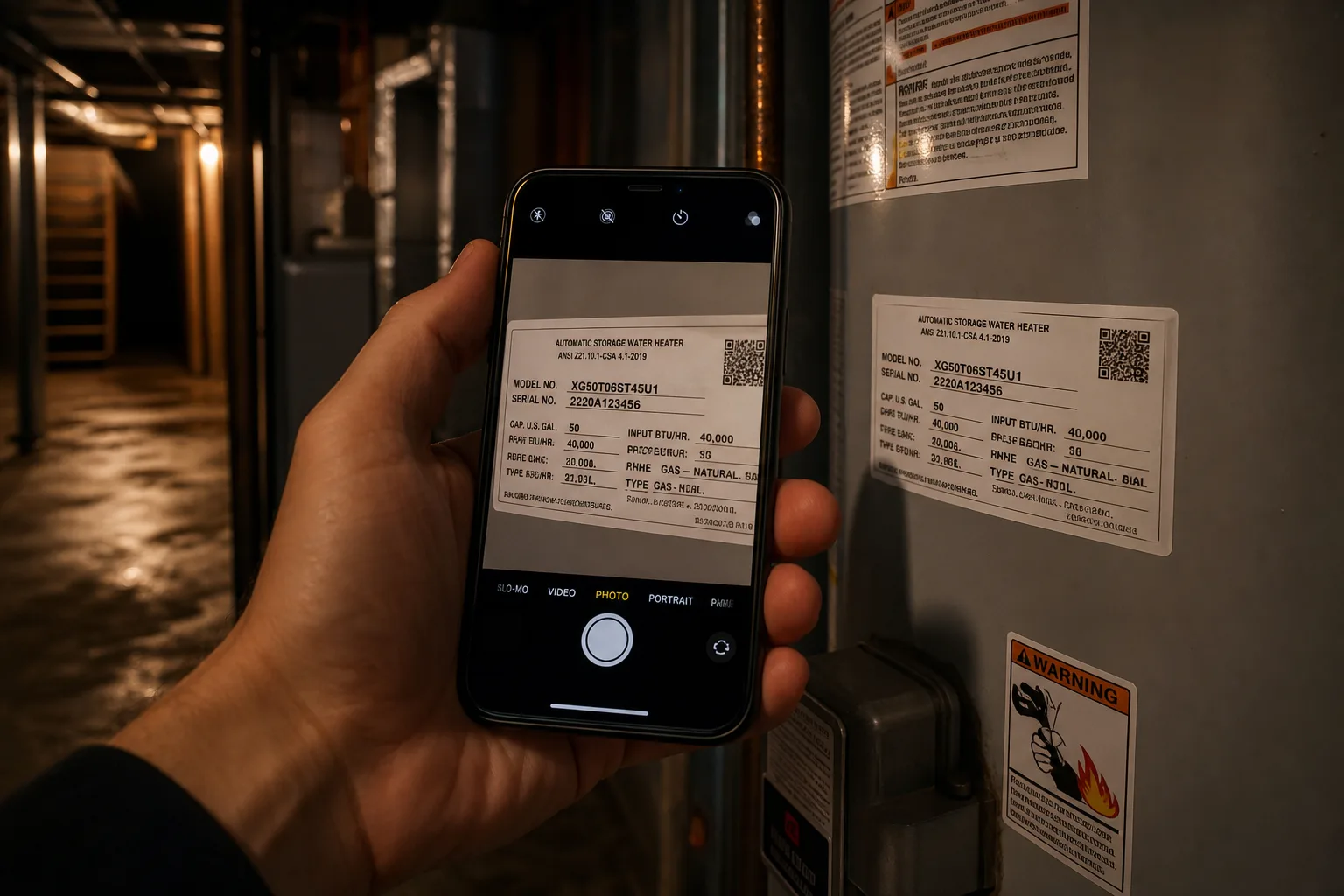
Insurers pushed the fourth change. Carriers asking for documentation of maintenance after a loss, particularly on water heaters, roofs and supply lines, gave crews a reason to photograph and date what they did rather than simply do it. That habit transfers to a household almost for free. A dated photo of the water heater's serial plate, the pan under it, and the braided supply line takes ninety seconds and answers a question that becomes expensive to answer later.
The triggers, and the accidents worth respecting
The event-based schedule practitioners describe rests on four triggers. A device tells you something, which covers leak sensors, filter alarms and the monthly test button on smoke and carbon monoxide alarms. A season genuinely turns, which is real but narrow: heating changeover and the first freeze. Something new arrives, meaning any appliance install, hose, or valve gets checked once at thirty days, because installation errors surface early or not at all. And something sounds different, which is the trigger technicians trust most, since a sump pump, a compressor and a bathroom exhaust fan all announce their decline audibly well before they quit.
On safety, the honest hierarchy is narrow. Ladder falls are what put people who do their own upkeep in the hospital, and gutters and roof edges are where it happens, which is the single strongest argument for hiring that work out or for doing it from the ground with an extension tool. Carbon monoxide is the other one that deserves genuine respect, and the working alarm is the whole answer. Scalds from water heater work are a distant third and are prevented by turning the thing off and waiting. The items that frighten people and rarely land anyone in a bed are the dust burning off a heating element in October and the slow drip under a sink, which is a repair problem rather than a danger. The Consumer Product Safety Commission is the body that tracks consumer product and household equipment hazards, and the shape of its remit matches what crews see: the falls and the fuel-burning appliances dominate.
Copying the crew's version at home
The practical translation is four standing items, one dated photo folder, and a habit of writing down anything that changed rather than anything that is due. Practitioners who work this way describe the same benefit repeatedly, which is that a short schedule survives a busy month. A long one never does, and the difference shows up not in the list but in the emergency calls that stop coming.