Which Trade Should Look at It First? Comparing Who Really Sees Small Neglect Compound
Service techs, restoration crews, home inspectors and adjusters each see a different stage of the same slow failure, and knowing whose sample fits your house decides which call to make first.
- Home & Property
- Clement Boateng
- 1,060 words, 5 min

The line about a small maintenance problem turning into a large one is true often enough to keep repeating and vague enough to be no help at all on a Saturday morning, when the stain on the ceiling is the same size it was in August and the money has somewhere else to be. What closes that gap is not a checklist. It is borrowed judgment, specifically the judgment of someone who has stood in front of that exact stain two hundred times and knows what the sixth month looks like. Several trades can supply it, and they do not supply the same thing.
Two trades, two sample sets, two different answers
A service technician who does maintenance calls sees your problem at year two. A restoration or mitigation crew sees it at year nine, after the drywall came down. Both are experienced, and their advice diverges because their samples never overlap. The maintenance tech has watched hundreds of small faults sit still for years and will tell you, correctly, that most of them do. The mitigation crew has only ever been called to the ones that did not, so their read runs hot. Neither is wrong. You want the maintenance tech's baseline and the mitigation crew's list of which faults graduate.
The practical version of that is a question, asked plainly, of whoever is standing in your basement: how many of these have you come back to, and what did the return visit involve? Someone who has done the work many times over answers that quickly and without drama, usually with a specific failure mode attached. The vague answer, the one that is all emphasis and no mechanism, tells you the person is guessing or selling. That distinction is worth more than the estimate itself.
The same house, three sets of eyes
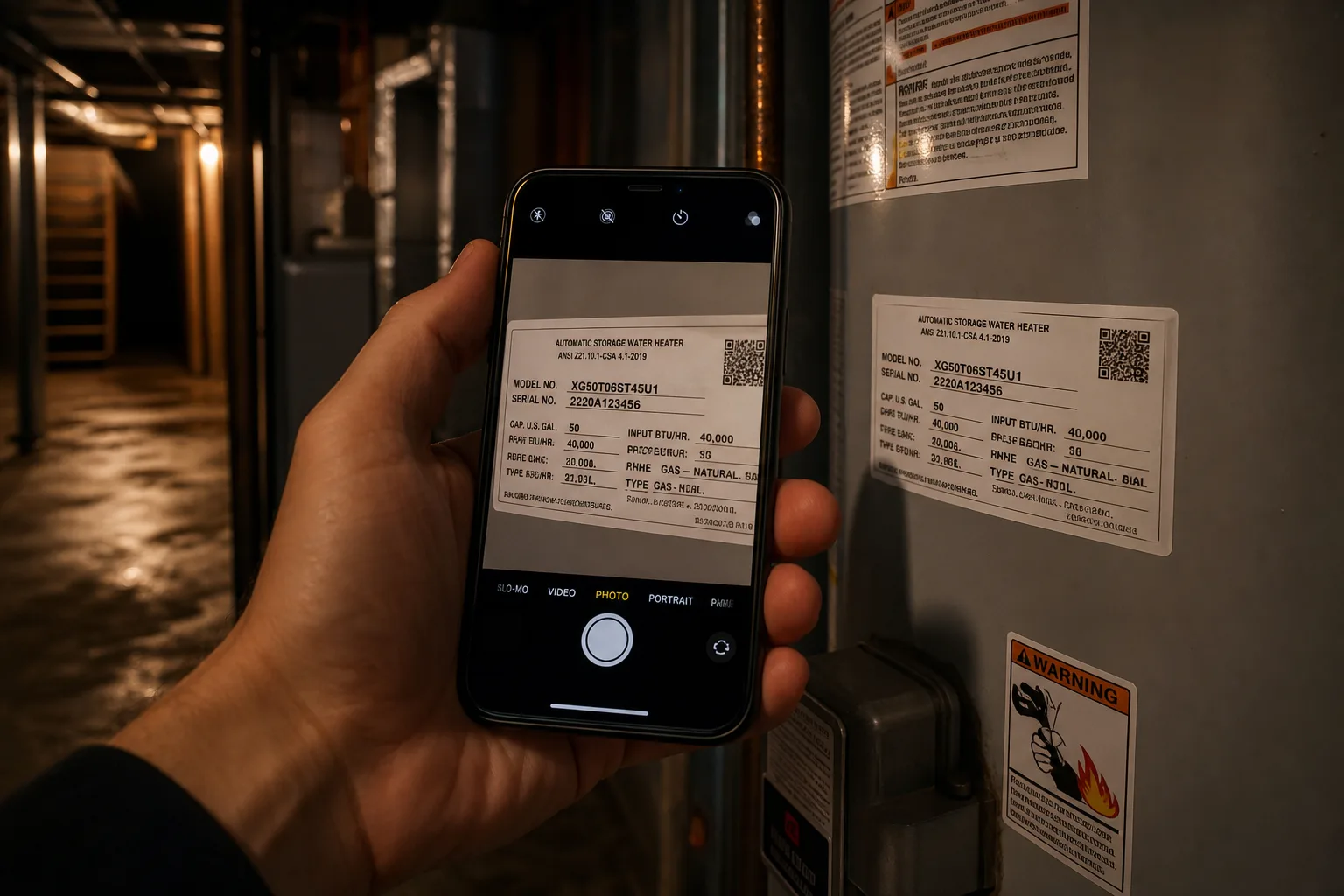
Send a chimney sweep, an HVAC technician and a plumber through one house on the same day and you get three unrelated reports that all describe the same neglect. The sweep looks at the flue and reads combustion: what is venting, what is spilling back, whether the liner has been eaten. The HVAC technician reads airflow and the heat exchanger, and notices the filter that has not moved in three seasons, which is the cheapest thing in the house to fix and one of the more expensive to ignore. The plumber reads water: supply lines, the shutoff nobody has turned since closing, the water heater's age stamped on the label.
Their overlap is the useful part. When two of the three flag the same room, that room has a real problem rather than a cosmetic one. A sweep noting a damp crown and a plumber noting a slow drip on the same wall are describing one water path from two ends. Homeowners who have done this a few times stop treating the visits as separate errands and start treating them as one survey with three narrators, and they keep the invoices together so the next technician can read the history in five minutes.
Paid opinion versus free estimate
A home inspector sells a report and nothing else, which is exactly why the report is worth buying outside a real estate transaction. Nobody's revenue depends on what it recommends. The trade estimate is free, faster, far more specific about method and price, and written by a party who profits if you accept it. That is not a scandal, it is a structure, and it means the two documents answer different questions. The inspector tells you what is happening across the whole building. The contractor tells you what it costs to stop one part of it.
An insurance adjuster occupies a third position, arriving only after a loss and reading the same damage against policy language rather than building science. Adjusters see, more than anyone, the point where deferred upkeep stops being a maintenance question and becomes a coverage question, because a sudden failure is treated differently than a long seep. Ask one what they see denied most often and you get a short, consistent answer about wear and time. That answer is the clearest argument for spending a few hundred dollars on an independent read before anything gets wet.
The risks that actually put people in the hospital
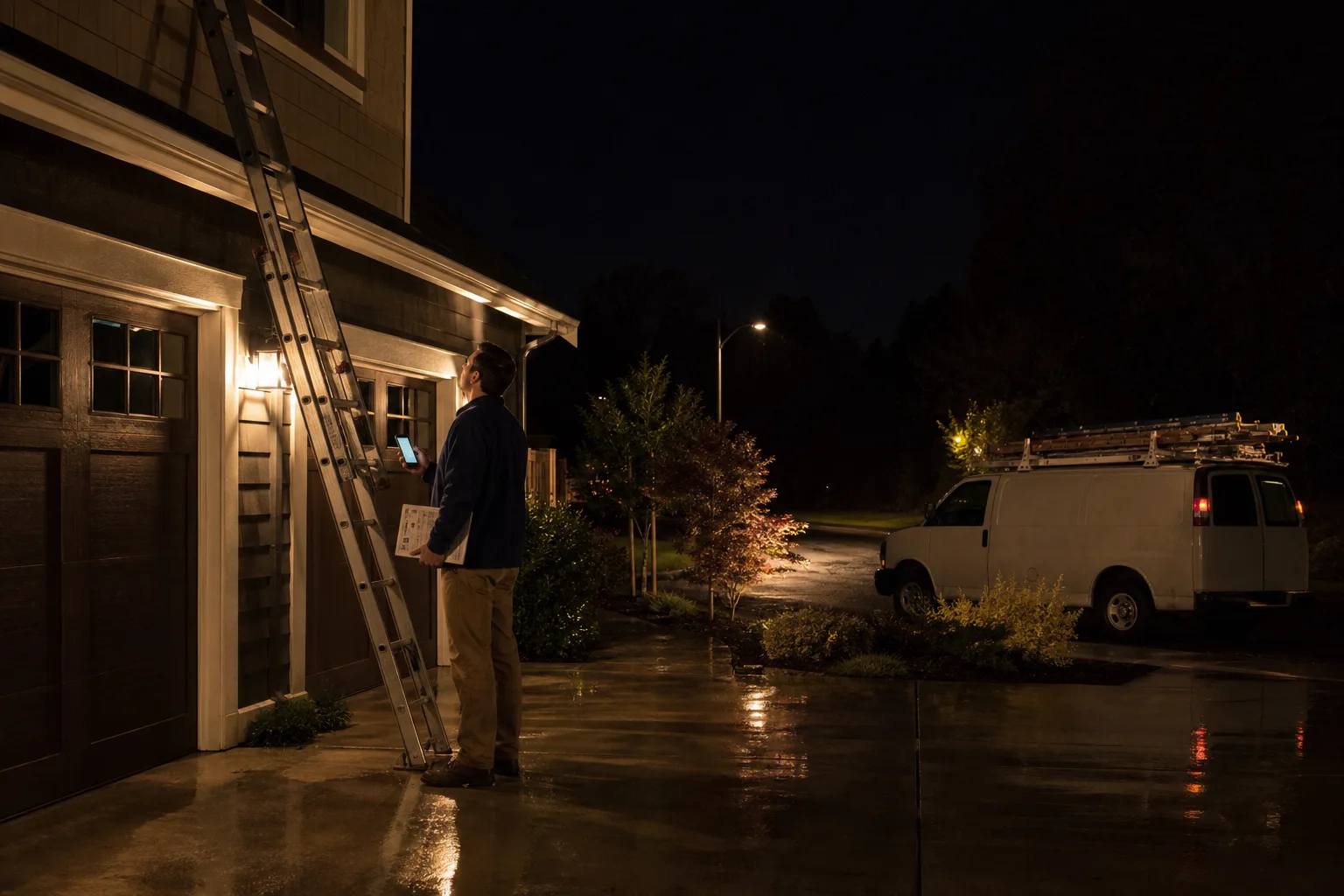
Most of what frightens people about deferred upkeep does not hurt them. A patch of surface mold on a cold attic sheathing board, a slow drip from a temperature and pressure relief valve, a hairline crack in a basement slab: these are scheduled repairs, not emergencies, and treating them as emergencies is how people end up overpaying at nine at night. The genuine injuries cluster elsewhere and are boringly consistent. Falls from ladders during gutter and roof work. Carbon monoxide from a blocked flue or a failed heat exchanger. Scalds and burns around water heaters. Contact injuries at the panel.
The Consumer Product Safety Commission oversees the safety of consumer products including ladders and carbon monoxide alarms, and every experienced tradesperson tells the same version of that story unprompted, usually about someone they know. This is where the comparison between trades collapses into agreement: the sweep, the HVAC technician and the roofer will all say the same thing about a homeowner on a ladder in October. Hire the height work, keep working alarms on every level, and you have removed the two hazards that actually send people to an emergency room, which leaves the rest of the list as a budgeting exercise.
Which call to make first
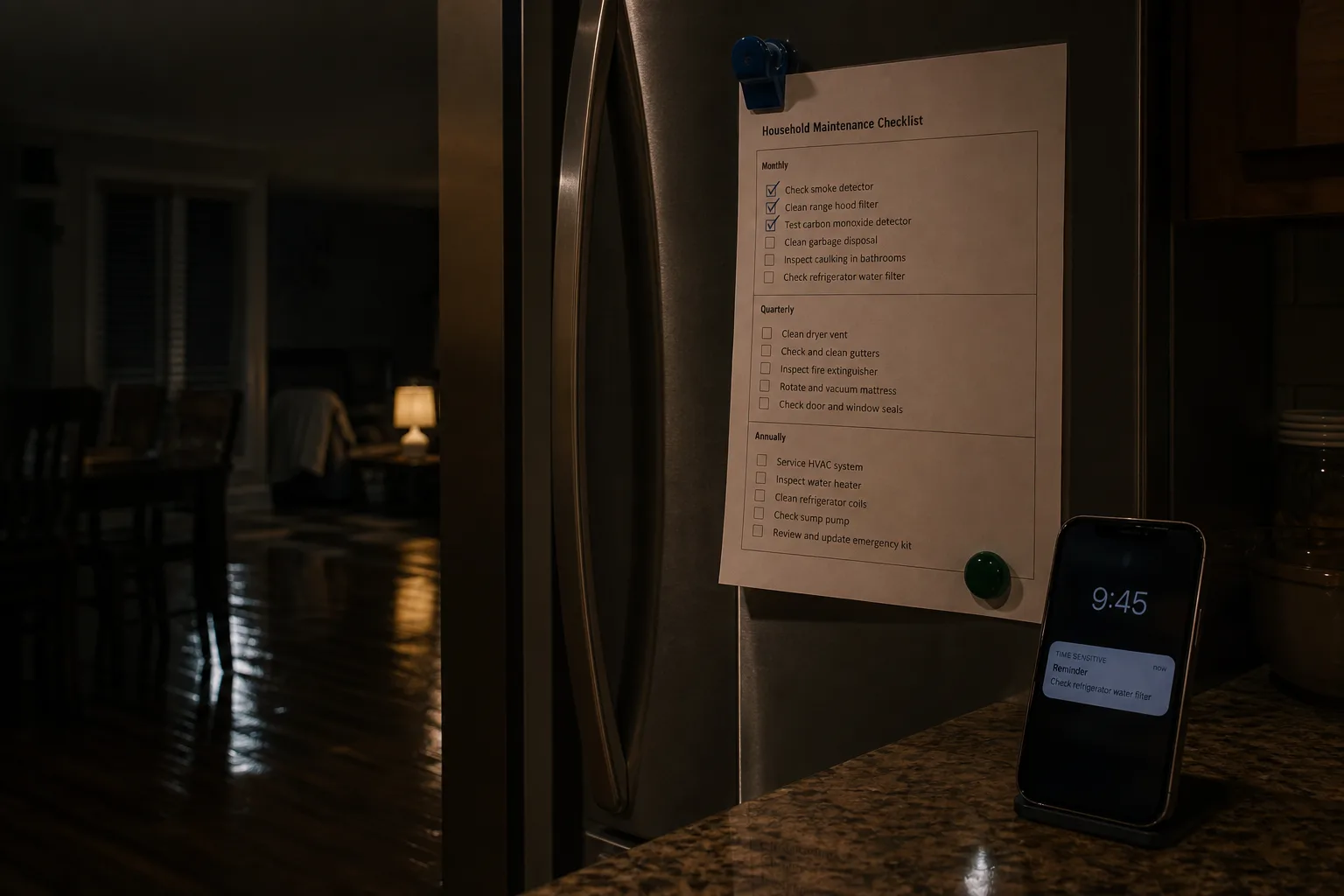
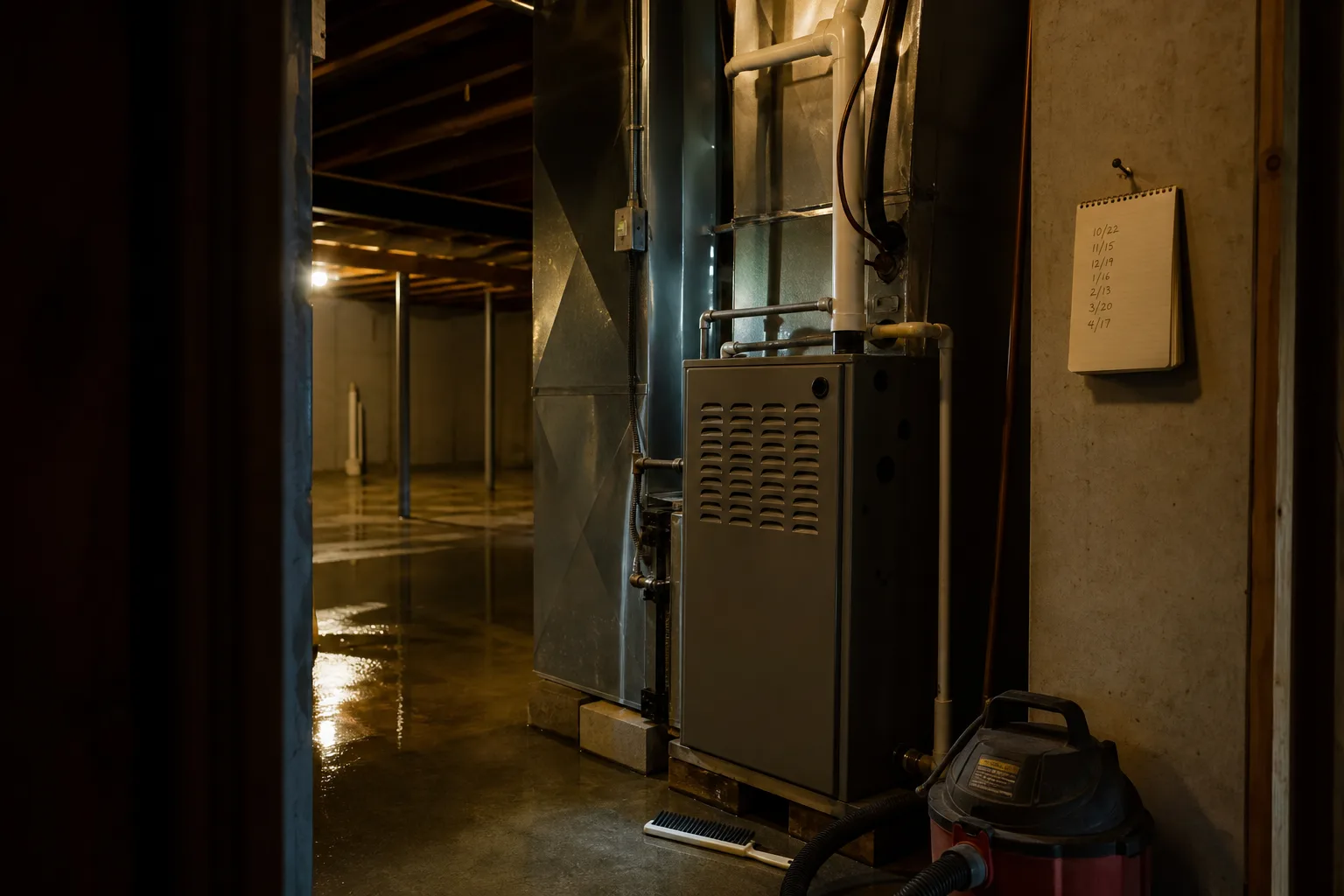
Sequence by consequence, not by irritation. Anything involving combustion, venting or a gas appliance goes first, because the failure mode is medical rather than financial. Water that is moving, however slowly, goes second, since it is the one category that reliably multiplies its own repair cost by wetting materials that were fine last week. Everything else, the sticking window, the chalky caulk, the failing weatherstrip, is genuinely deferrable and should be deferred openly, with a date attached, rather than forgotten. Written dates are what separate a maintenance plan from a pile of good intentions.
The people worth keeping are the ones who tell you a repair can wait, because they have seen enough houses to know which ones can. Find two or three of them, use them yearly, and let their notes accumulate somewhere you can find them. The compounding runs both directions.