Your Smoke Alarms Changed and Your Checklist Didn't. Rebuilding a Schedule You'll Keep
Sealed alarms, online manuals and cheap leak sensors have quietly rewritten household maintenance, and the checklists most people inherited are still running the old tasks.
- Home & Property
- Clement Boateng
- 826 words, 4 min
The standard advice, repeated every time the clocks move, is to change the batteries in your smoke alarms twice a year. It was good advice for a long time, and for a household with nine-volt alarms bought in 1998 it still is. But a large share of the alarms sold now are sealed ten-year units with a lithium battery that cannot be removed, and telling their owners to change batteries in spring and fall gives them a chore with no object. That is the quiet problem with most maintenance checklists: they were written for equipment that has since been replaced.
What actually changed in the last decade
Three shifts did most of the work. Sealed-battery alarms moved the decision from a semiannual ritual to a single date ten years out, printed on the back of the unit. Manuals went online, so the model and serial number matter more than the paper booklet nobody kept. And leak detection got cheap enough to be ordinary, which means the failure that used to be discovered by a stain on the ceiling is now discovered by a phone alert. None of this reduced the number of things a house needs. It changed which of them are worth putting on a calendar.
The second-order effect is the one people miss. When a task moves from frequent to rare, memory stops being a workable storage system. Nobody needs a reminder for a chore they do twice a year, because the habit carries it. A ten-year replacement date, a six-year water heater anode inspection, a warranty that runs out in month fifty-nine: those live nowhere unless they are written down somewhere that will still exist when the date arrives.
The paperwork that makes the rest possible
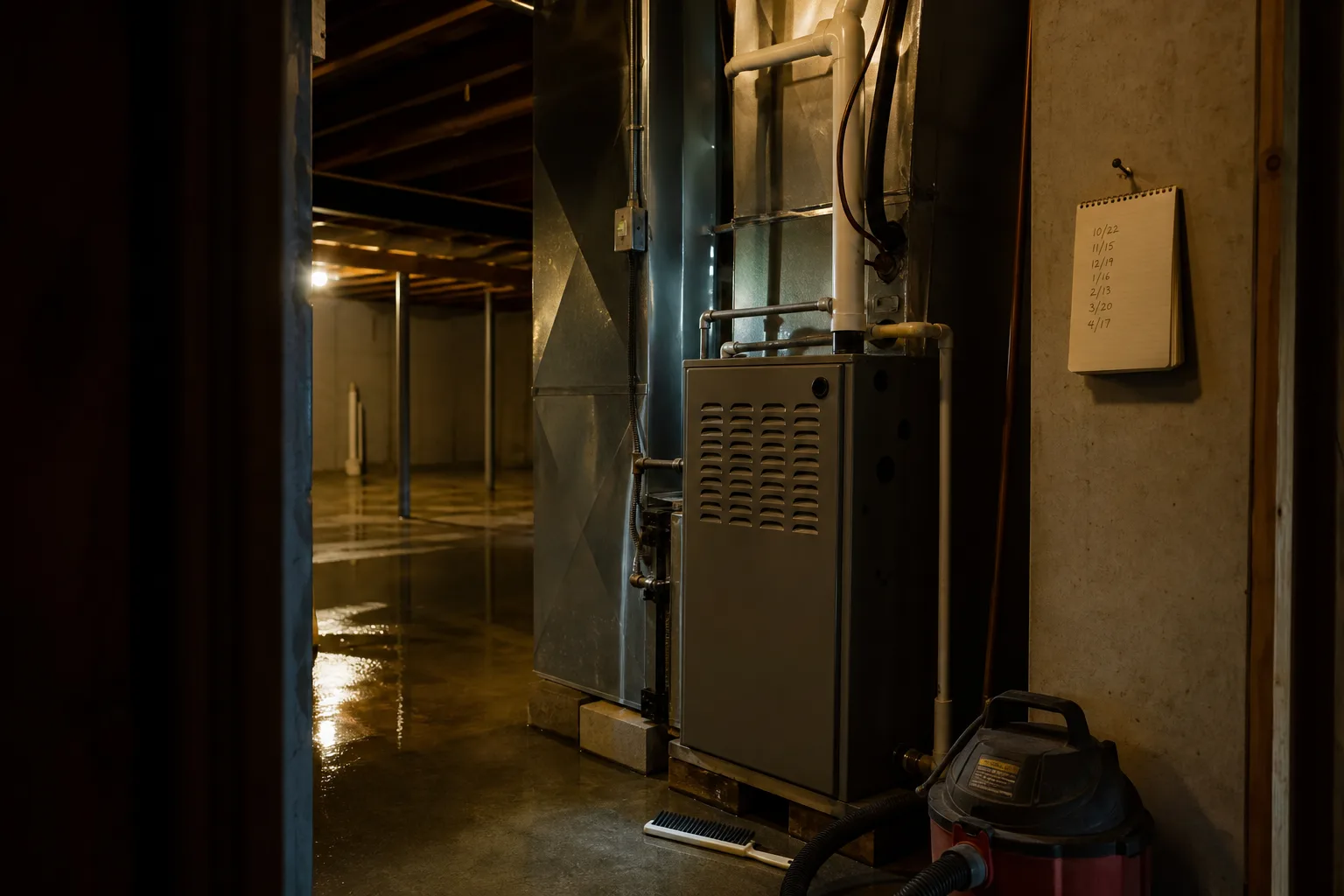
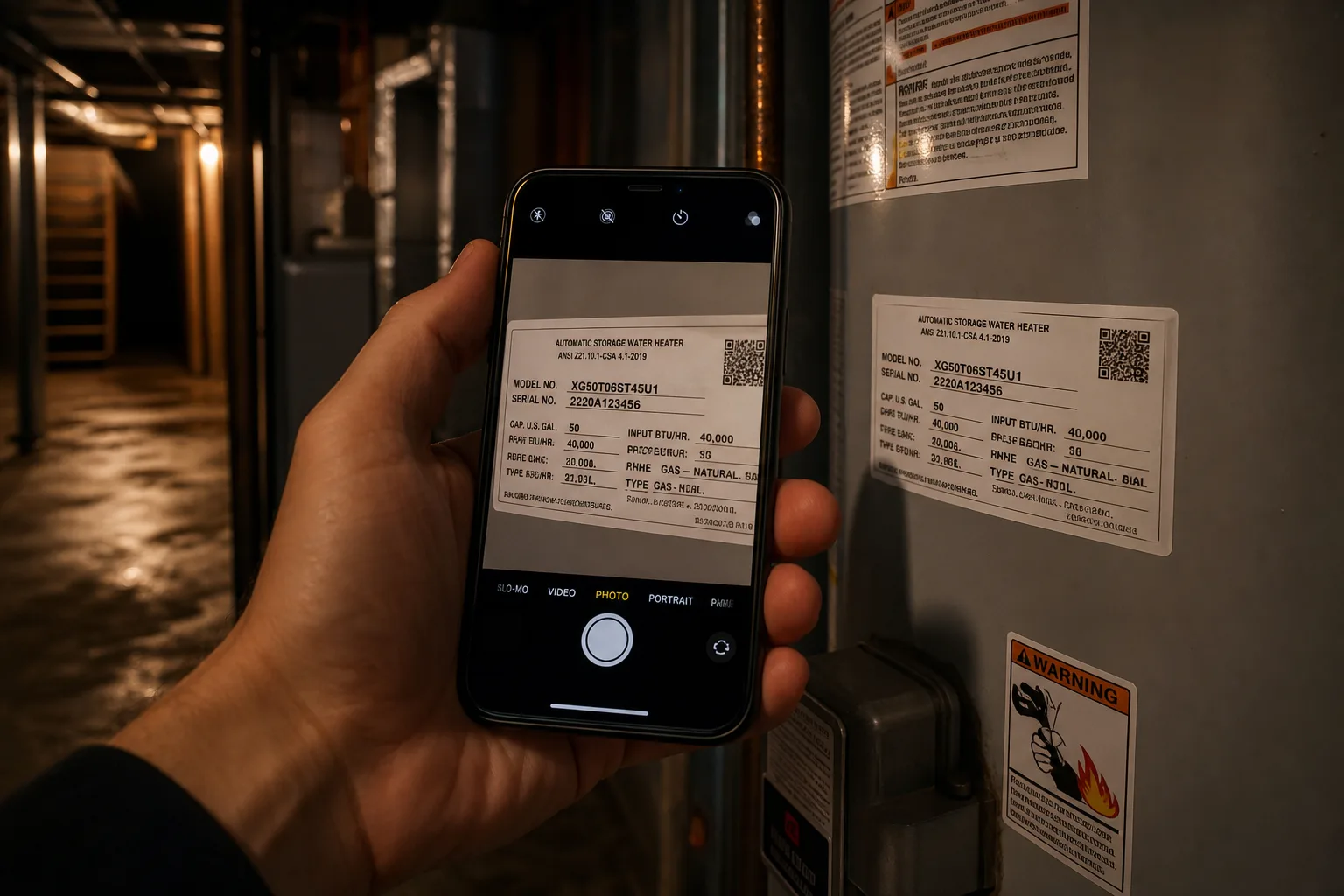
Start with photographs, not files. Walk the house once with a phone and take a legible picture of the data plate on every major appliance and system: furnace, water heater, air handler, dishwasher, washer, dryer, range, disposal, sump pump, and the panel schedule inside the electrical box. Each plate carries a model number, a serial number, and usually a manufacture date. That single walk gives you the ability to look up a manual, order the right filter, check a recall, or tell a technician what he is coming to before he arrives. The Consumer Product Safety Commission oversees consumer product recalls, and serial numbers are what recall notices are keyed to.
Put those photos in one folder, in whatever cloud service the household already pays for, and add three more things: the closing documents or lease, receipts for anything with a warranty longer than a year, and the invoices from work that has already been done. Contractor invoices are the underrated item. They record what was replaced and when, which is how you know whether the roof is eleven years old or twenty-four, and they are the first thing an insurance adjuster asks for after a loss.
Anchoring tasks to events rather than dates
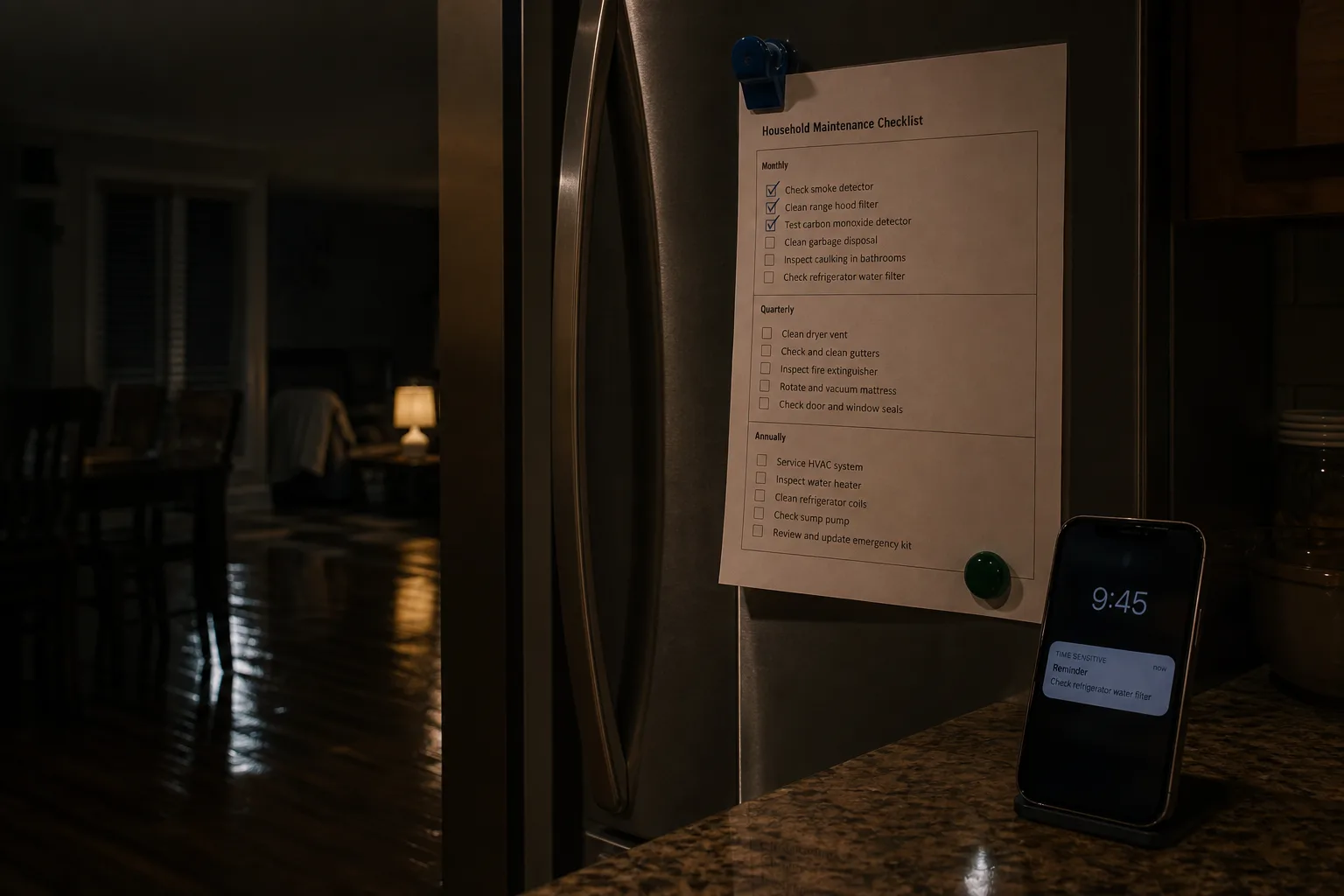
Schedules fail on arbitrary dates and survive on anchors. Tie the filter change to the first cold night and the first genuinely hot week, not to the first of the month. Tie the gutter check to the week the last leaves come down in your yard, which you can observe, rather than to a fixed October date that is wrong in half the country. Tie the water heater check to a birthday, since the interval is annual and the date does not matter. A shared calendar with recurring entries handles the rest, and it should be shared, because a reminder that only reaches one adult stops working the week that adult is traveling.
Keep the recurring list short enough that it does not get muted. Six to ten entries a year is a schedule. Thirty is a wish.
The items that earn their place on safety grounds
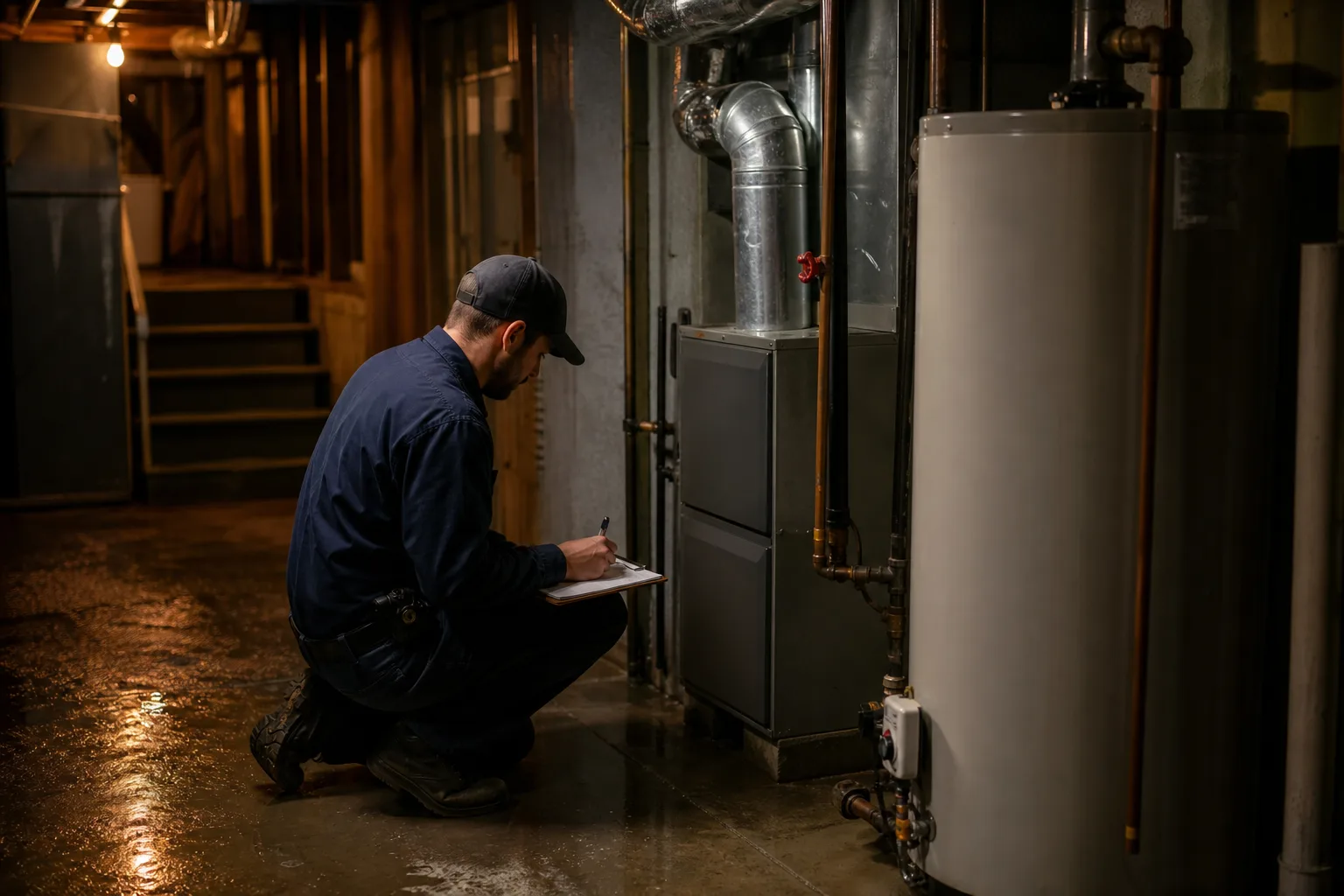
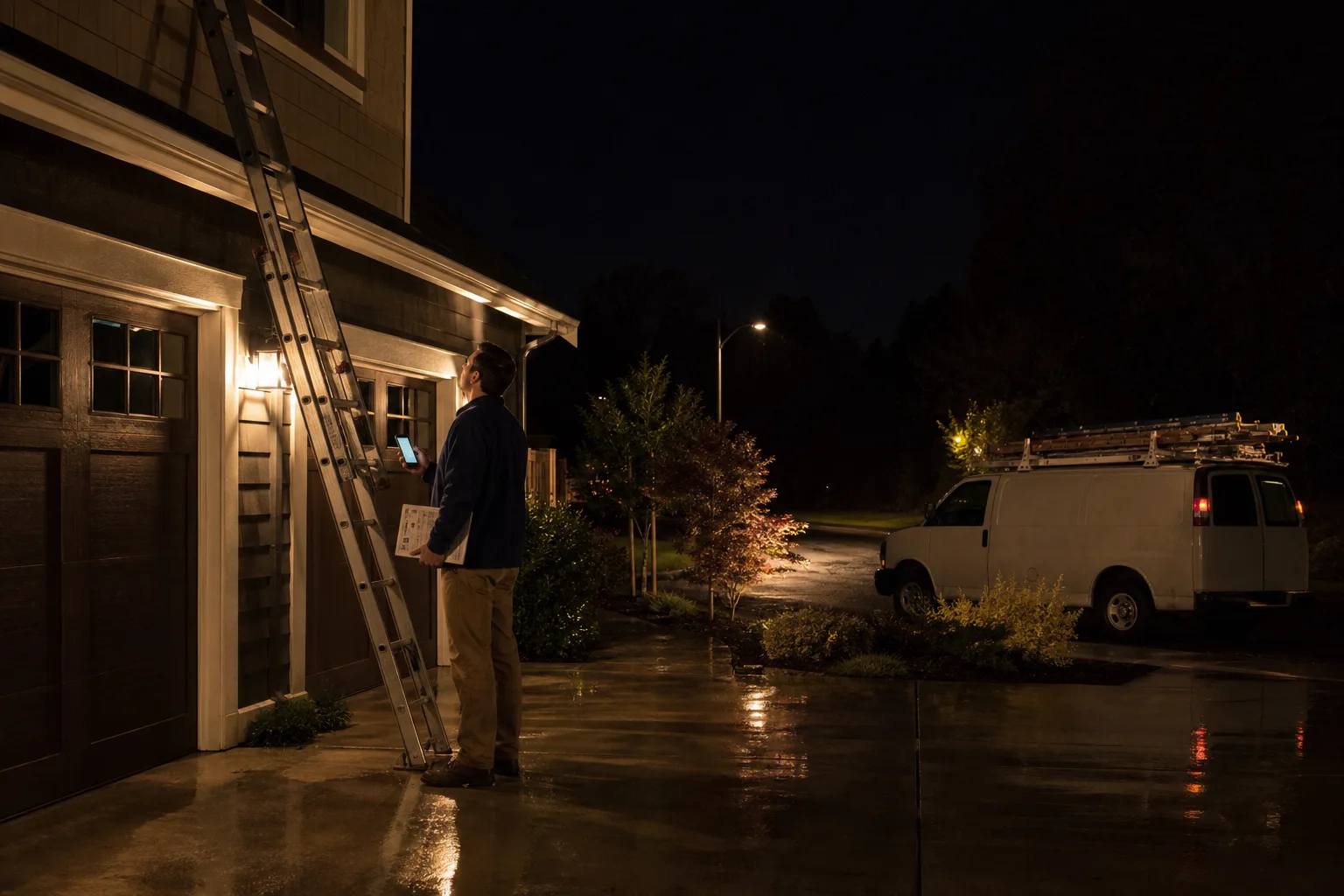
The accidents that actually send people to the hospital are falls and burns, in that order and by a wide margin. That argues for hiring out anything above the second rung of a ladder, particularly gutter work and roof inspection, and for keeping the annual combustion check on gas appliances, since a cracked heat exchanger or a blocked flue produces carbon monoxide that no amount of attentiveness will detect unaided. Test the carbon monoxide alarms with the button, note the manufacture date, and replace them on schedule. Clear the dryer duct. Test the GFCI outlets, which takes under a minute for the whole house.
Everything else is economics rather than safety, and can be scheduled loosely without consequence. Cabinet hinges, caulk lines, and grout will wait.
The version of this that survives contact with a real year is short, written down outside anyone's head, anchored to observable events, and built from the equipment currently in the house rather than the equipment that was in the house when the advice was written. Take the photographs first. The schedule almost writes itself once you can read the plates.