Twelve Monthly Tasks, None Done. What One Household Kept, and Who It Was For
A laminated seasonal checklist failed for three years running; the schedule that replaced it was built around four triggers and the technician who shows up next.
- Home & Property
- Ingrid Halvorsen
- 863 words, 4 min
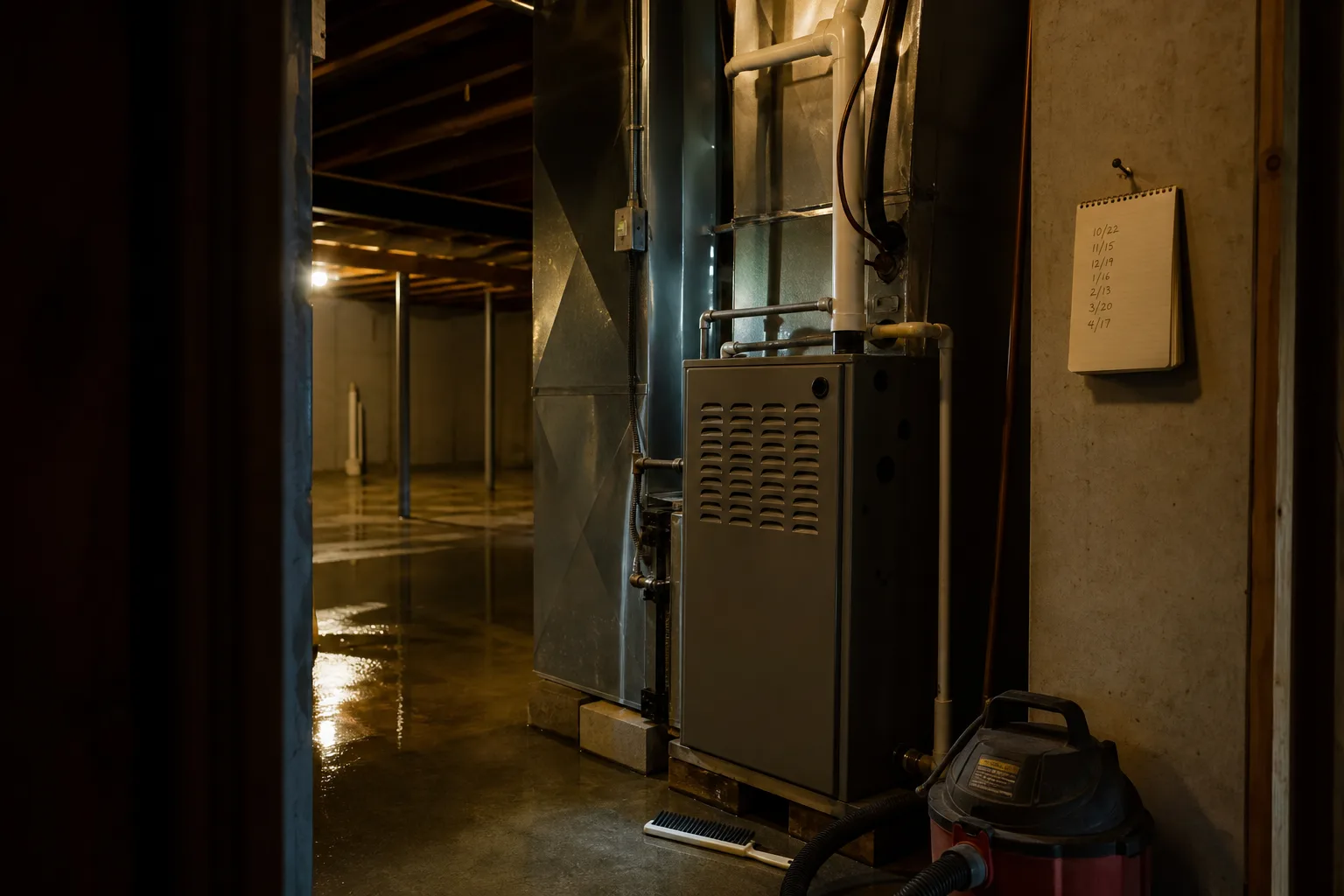
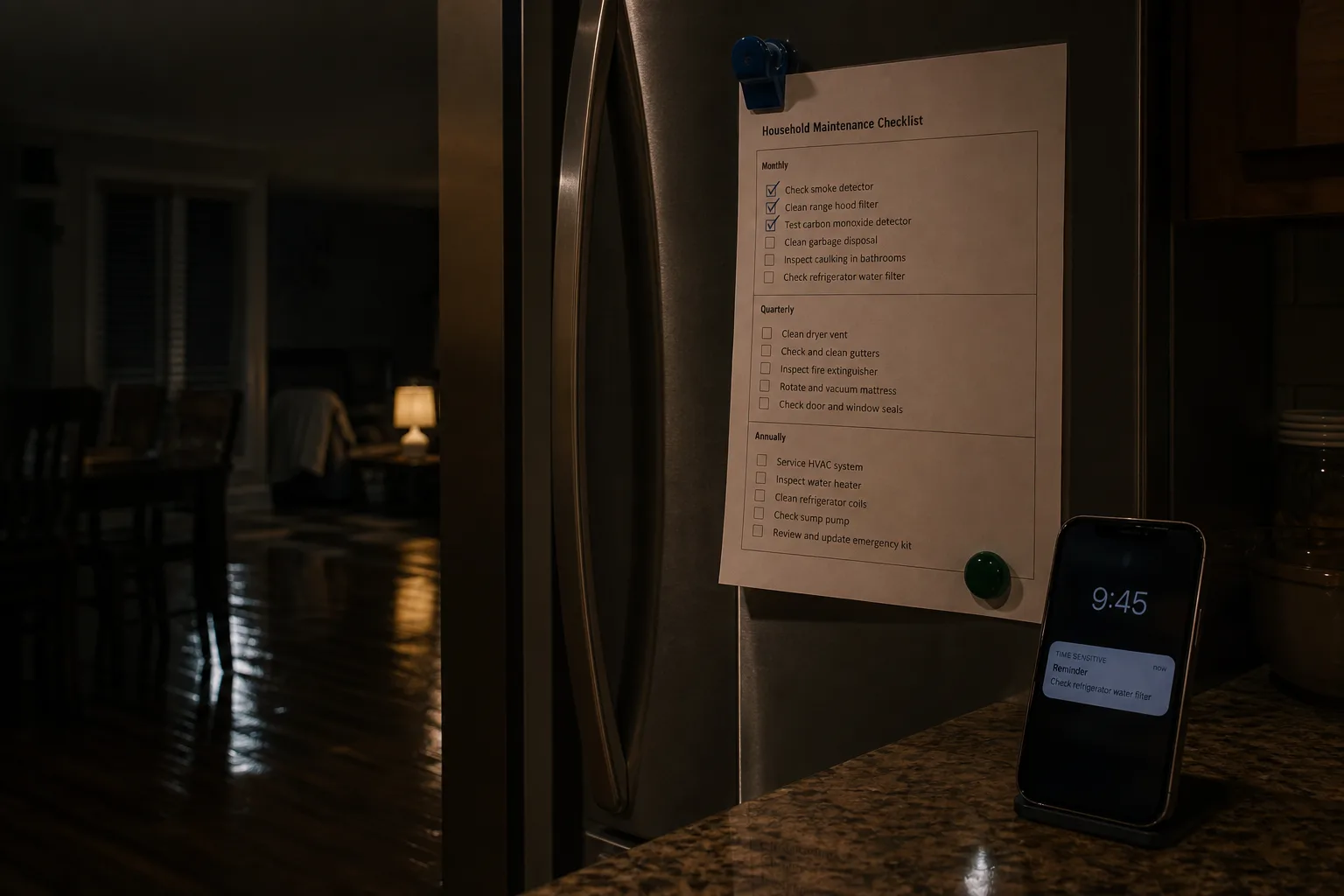
The household in question owned a 1978 split-level, a gas furnace with a matched condenser, a sump pump, a well tank, and a laminated checklist taped inside a utility closet door listing twelve monthly tasks. Three winters in a row, the list was followed through February and abandoned by April. Nothing dramatic broke. What happened instead was slower and more expensive: a service call each spring that ran long, a condenser coil cleaning billed at the technician's hourly rate, and a warranty claim on a blower motor that was paid only after a long argument about documentation. The list was not wrong. It was written for nobody.
The list that failed and the four events that replaced it
The rebuild started by throwing out the calendar entirely and asking what actually prompted anyone in the house to walk downstairs. Four things did. The first cold night, when the furnace ran and somebody noticed the smell. The first humid week, when the condenser came on. The first heavy rain, when the sump cycled audibly. And the arrival of the annual service visit, which was already on the calendar because the contractor called to book it. Everything got attached to one of those four moments, and the twelve monthly items collapsed into four short sessions that people genuinely completed, because each one had a trigger that happened to them rather than a date they had to remember.
The filter is the obvious casualty of a date-based schedule, and it was the honest test here. Under the old list it was a monthly item, which meant it was replaced sometimes in October and never in July. Under the new arrangement it was tied to the two seasonal startups and to a phone reminder set for the midpoint of each run, and it got changed. The gain was not that a filter is precious. It was that a person who completes four sessions a year builds a habit of walking down there, and a person who fails twelve stops going at all.
The party nobody counts is the technician who arrives next
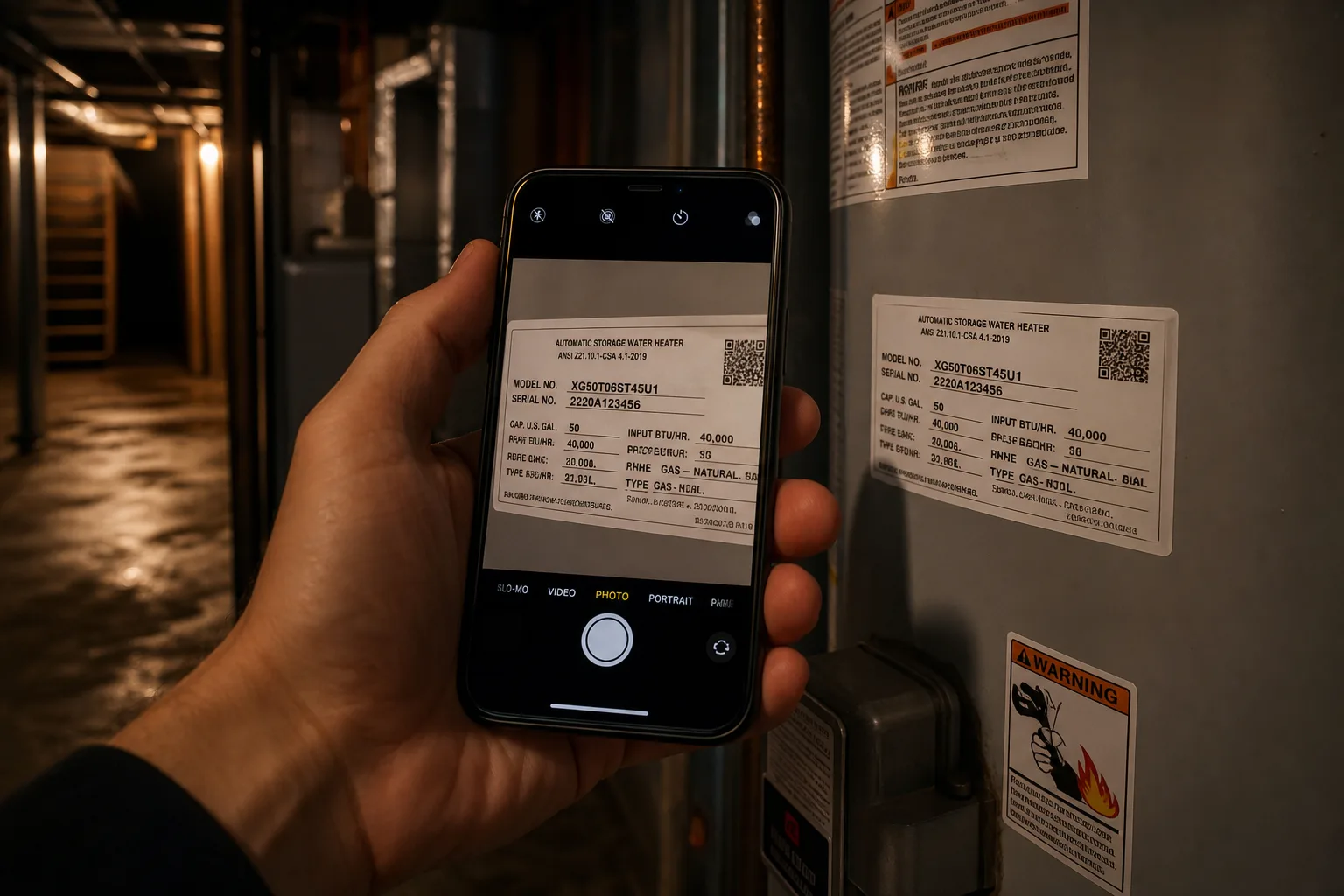
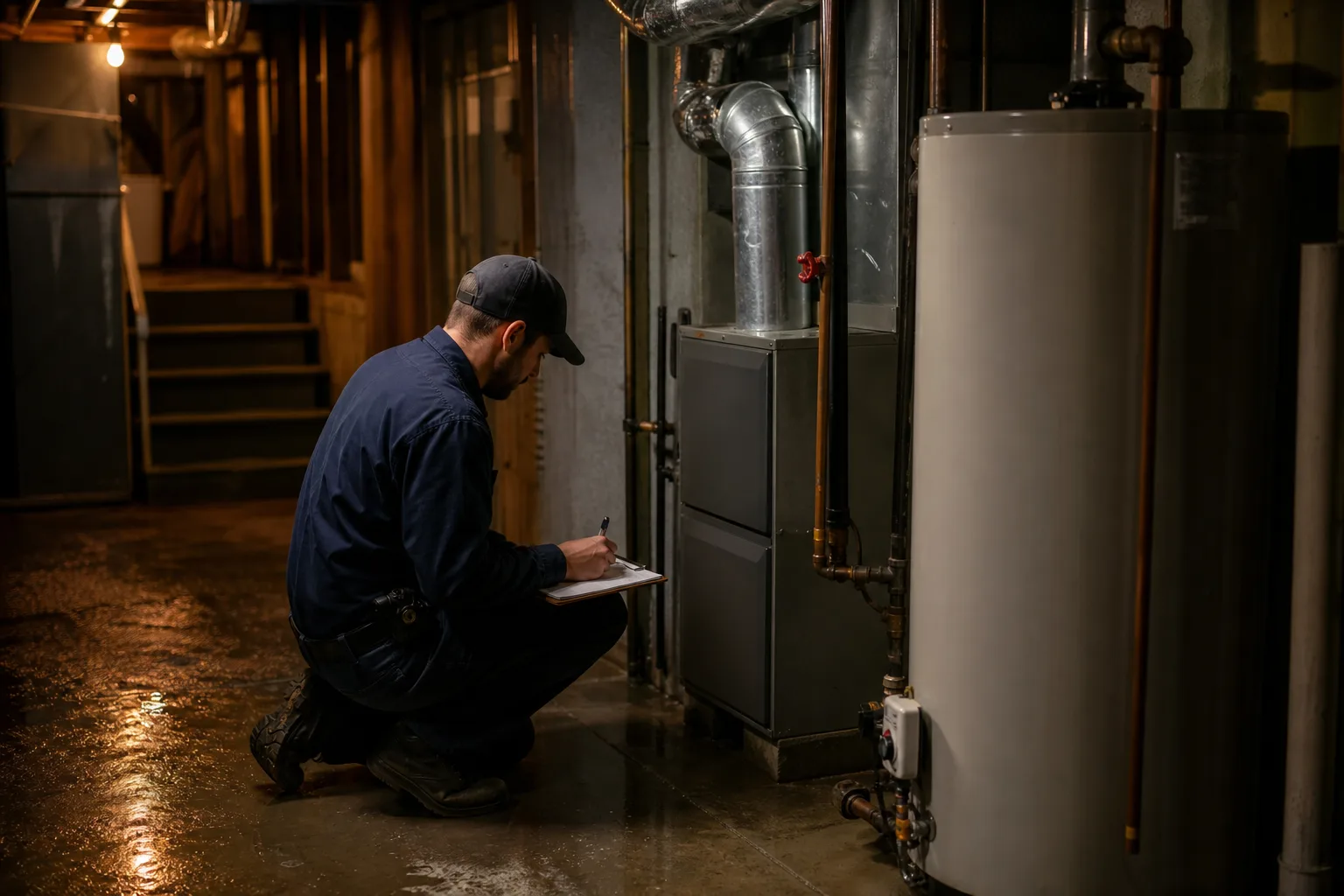
Every maintenance schedule is a transaction with somebody who has not shown up yet. In this case it was the service technician on the spring visit, and once the household started planning around him, three things changed immediately. Clearance around the air handler went from eighteen inches to a clear working rectangle, because a technician who has to move boxes is billing you to move boxes. A cheap spiral notebook went on a nail beside the furnace, with dates, filter sizes, and what was done. And photographs of the data plates on the furnace and condenser went into a phone album, model and serial legible, which is exactly what a warranty administrator asks for and exactly what nobody can find in January.
That notebook did the heaviest lifting. The blower motor claim that had previously turned into a fight was, on the next occasion, a five-minute conversation, because there was a dated record showing filters changed and coils clean, which is what the manufacturer means when it conditions coverage on reasonable maintenance. The technician also began writing in it himself, static pressure readings and refrigerant observations, and a second technician from the same company picked up the thread the following year. The overlooked party turned out to be the one who determines whether your upkeep counts as upkeep.
Which tools the job needs, which to rent, and where cheap costs more
The honest tool list for a homeowner's share of this work is short. A decent shop vacuum with a hose that reaches, a soft fin brush, a nut driver set, a headlamp rather than a phone flashlight, and a garden sprayer for no-rinse coil cleaner cover almost everything. The pressure washer that people buy for the condenser is the wrong tool and bends fins; rent one for a day for siding or a driveway instead. The place cheap costs money is the vacuum. An underpowered one with a two-inch hose will not clear a condensate line or a dryer duct, and the replacement is a full-price purchase on top of the first mistake.
What separates a good session from a barely adequate one
Barely adequate is a filter slid in with the arrow pointing the wrong way and the door pushed shut. Good is the same twenty minutes plus a wipe of the blower compartment, a look at the condensate trap, a glance at the flame color, the date written on the filter frame in marker, and a line in the notebook. The difference in effort is small and the difference in outcome is not. Some of the work is not yours at all: the Environmental Protection Agency is responsible for the rules governing refrigerant handling, so anything touching the sealed system belongs to a certified technician, which is precisely why the parts you can do should be done in a way that makes his hour count.
Three years on, the laminated card is gone and the notebook has eleven pages. The schedule is shorter than the one that failed, and it holds because it was written for the next person through the door.