Filed Two Small Claims in Five Years? What Your Next Renewal Already Knows
Loss history follows the address as well as the policyholder, and the practiced claimant decides what to report by reading the renewal three years out.
- Finance
- Clement Boateng
- 962 words, 4 min
The received wisdom is that you should never file a small claim, because the surcharge will cost more than the check. That is roughly true, and it is also the least useful version of the rule, because it stops at the premium line and the actual consequences run further out than that. People who have handled a dozen losses across a few properties learn a different arithmetic. They are not asking whether this claim raises the rate. They are asking what the claim does to the file, who reads that file later, and what it takes off the table three years from now when something genuinely serious happens.
The file follows the address, not just the person
Loss history is recorded in a consumer report that most homeowners never see and few know exists. It is keyed to the property as well as to the named insured, and carriers pull it when they quote, which is why a house with two water losses on it can be quoted differently for a buyer who has never filed anything. These reports fall under federal fair credit reporting rules, and the Federal Trade Commission is the agency responsible for that framework, which means you can request your own file and dispute an entry that is wrong. Very few people do. The practiced claimant checks the file the way other people check a credit report, once, before shopping.
The everyday consequence people rarely trace back is a sale. A buyer's insurance agent runs the address, sees three water claims in five years, and the buyer is quoted at a level that changes what they will pay for the house or whether their lender's requirements can be met at all. Nobody at the closing table describes it that way. It arrives as an inspection contingency getting stickier, or as a buyer walking without a clean explanation. Sellers who have been through it twice start keeping the repair invoices and the final adjuster's report in a folder specifically so they can hand over proof the cause was corrected.
The call that becomes a claim without a payment
The other thing veterans learn early is that asking is not free everywhere. A call to the claims line that opens a file, gets an adjuster assigned, and ends with you deciding the damage falls under the deductible can still exist as a recorded loss with a zero payment. Rules vary by carrier and by state, and some insurers are explicit that a coverage question posed to an agent is not a claim. The distinction matters enough to establish it before you speak. The habit that works is a plain question first, asked of the agent rather than the claims department: whether this conversation opens a file, and what the carrier records if it does.
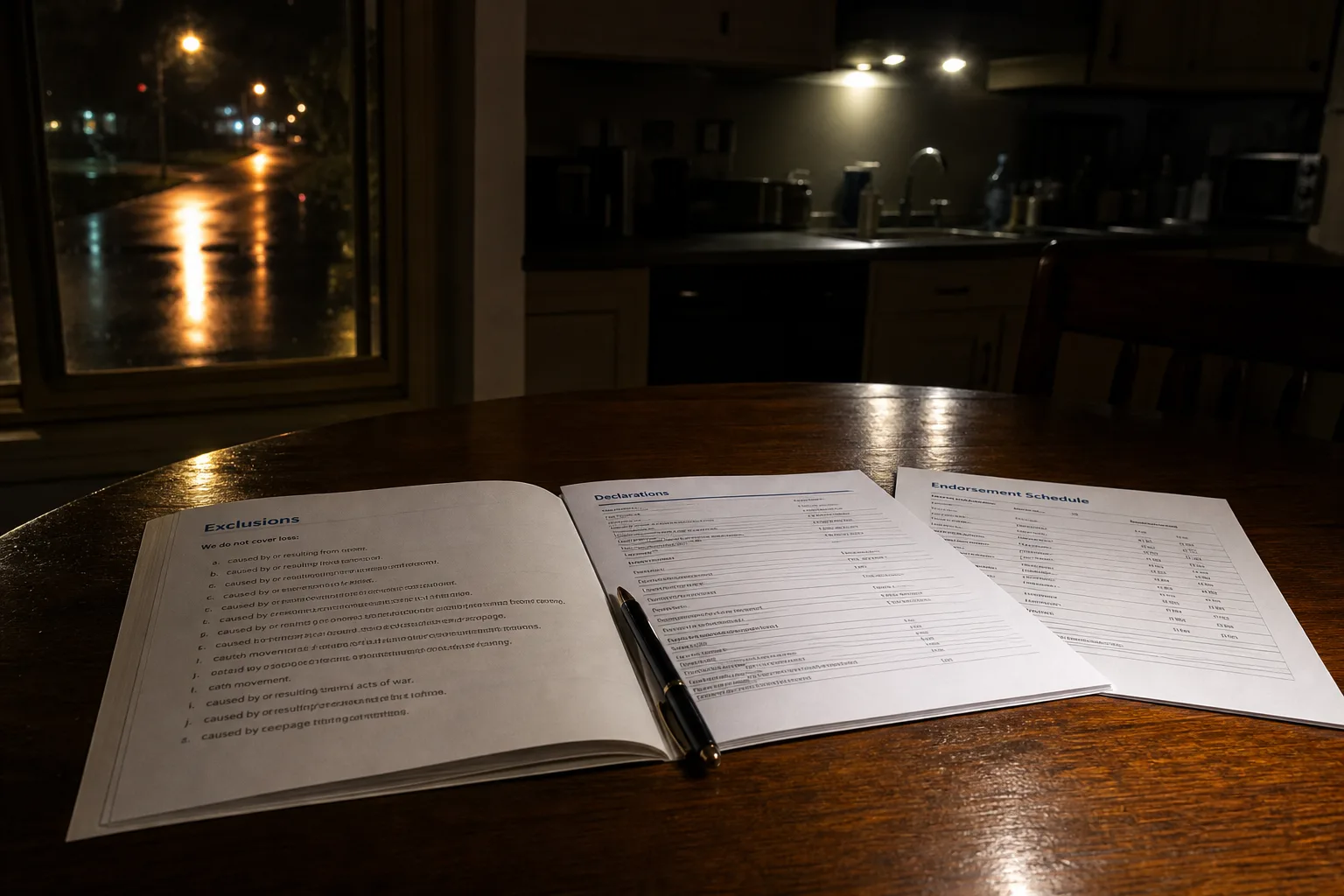
This is where the small water losses do their damage. A supply line lets go, the mitigation company is out for three days, the total lands near the deductible, and the file records a water claim anyway. Two of those and the renewal underwriter is not thinking about the dollars. They are thinking about frequency, which is the pattern that predicts the next loss, and frequency is what triggers a water damage exclusion endorsement, a separate and higher water deductible, or a non-renewal notice with forty-five days on it.
What actually changes when the renewal comes
The premium increase is the visible part and often the smaller part. What quietly disappears is the loss-free credit, which some carriers apply as a meaningful discount that resets on the first paid claim and rebuilds over years. What can also disappear is eligibility for the preferred tier, and moving from a standard carrier into a non-standard or surplus lines market changes more than price. Coverage forms are narrower, replacement cost provisions may be conditioned differently, and the appraisal and dispute language is not the same. Escrow follows behind that: the mortgage servicer pays the higher premium, recalculates the monthly escrow, and the payment moves without any letter that mentions the claim at all.
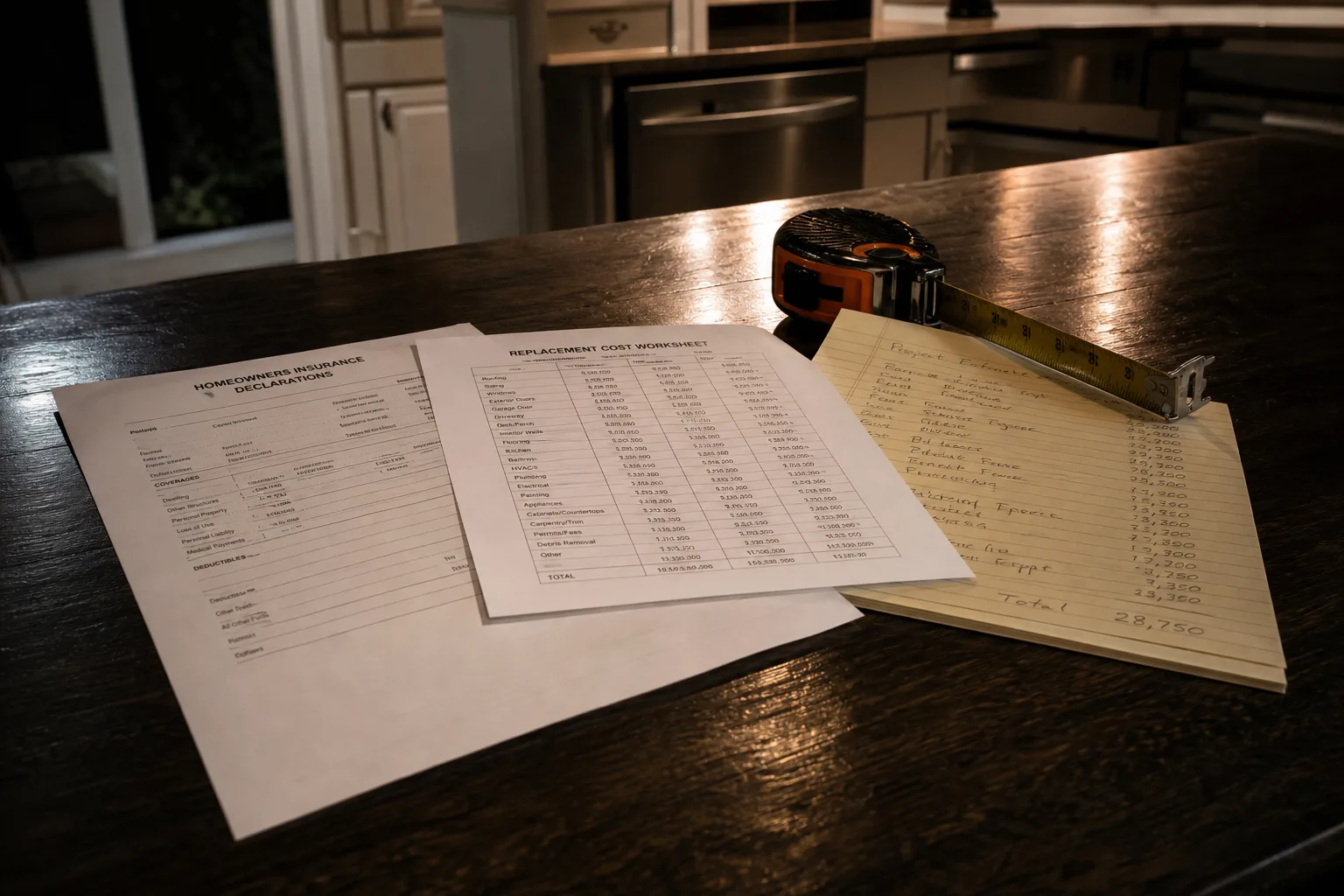
None of this argues for never claiming. It argues for knowing your own threshold before the loss, not during it. A useful number is the point where the loss exceeds the deductible by enough to matter over three renewals, and for many households that is several thousand dollars rather than several hundred. Structural damage, fire, liability, and anything involving injury to another person go in regardless. Those are what the policy is actually for, and holding one back to protect a rate is the expensive mistake.
The part of a loss that puts people in the hospital
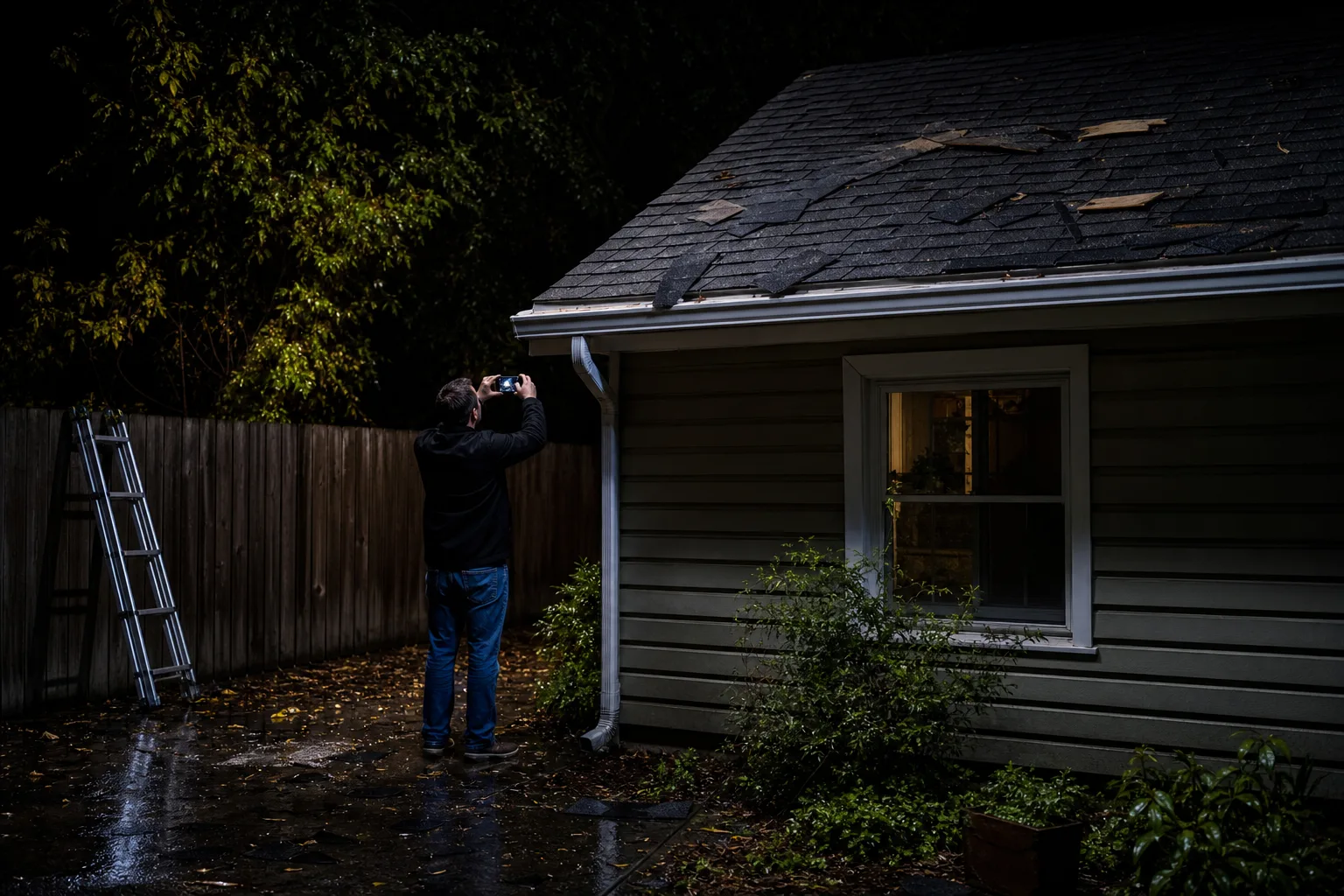
Every policy carries a duty to mitigate, and homeowners take that seriously, which is good, and then they climb. Falls from ladders during storm damage inspection are the injury that recurs, and they recur among competent adults on ordinary two-story houses in wind. The other two worth naming are portable generators run too close to the house after an outage, where carbon monoxide accumulates before anyone smells anything, and standing water around an energized panel or a submerged circuit. Photographing a roof from the ground with a zoom, and calling the utility before touching a wet panel, cost nothing and preserve the claim just as well. The dramatic risks people ask about, mold spores in the first two days, contaminated drywall dust, are not the ones filling emergency rooms.
The pattern among people who have done this many times is unglamorous. They document at the moment of loss, they stop the water and dry the structure, they ask the coverage question before opening a file, and they decide the threshold when they are calm. Then the renewal that arrives is the one they expected, which is the whole point.