Five Checks on an Exclusion Clause, and the State Line That Changes the Answer
An exclusion is not a single fixed thing: whether it holds depends on who wrote it, whether it was filed with your state, and what the definitions page says.
- Finance
- Ingrid Halvorsen
- 805 words, 3 min
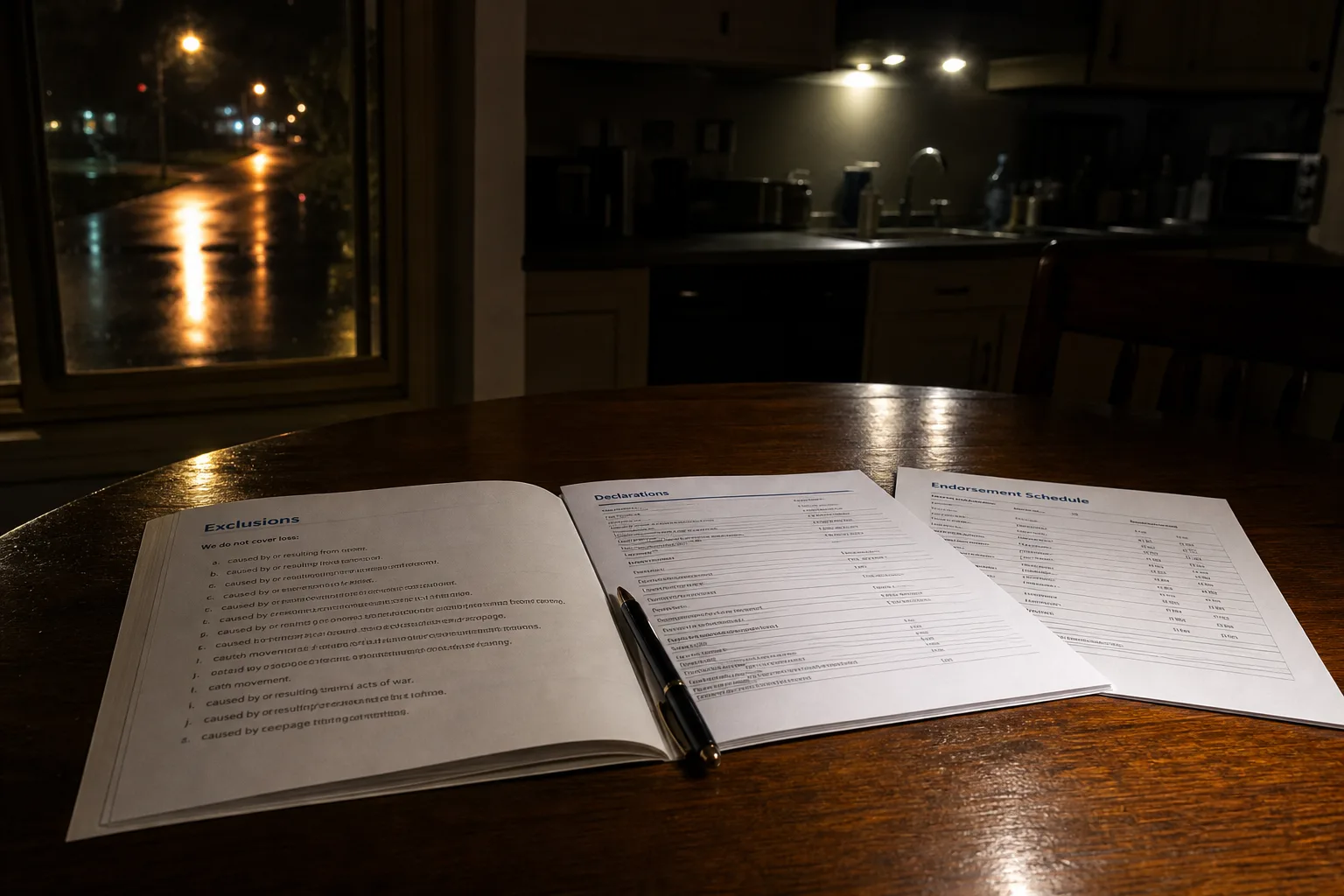
The received wisdom about exclusions is that they are the insurer's fine print, drafted by lawyers to get out of paying, and largely unarguable once the adjuster points at one. That was closer to true a generation ago, when most policies were sold on a handful of nearly identical forms and nobody outside the industry read them. It is only partly true now. An exclusion in a homeowners policy is a piece of regulated text, filed in most cases with a state insurance department, interpreted by state courts that do not agree with each other, and often removable for money. Knowing which of those levers applies is the whole job.
1. Find out whether the wording was filed in your state
Admitted carriers, the ones backed by a state guaranty fund, generally have to file their policy forms and rates with the state insurance department before they can use them. That filing is a public act, and it means someone at the department looked at the language, at least in the sense of confirming it was not prohibited. Surplus lines carriers, which is who you often end up with on an older house, a coastal property, or one with prior claims, operate outside that filing requirement in most states. Same building, same peril, very different scrutiny of the sentence that decides the claim. Ask your agent, in writing, which kind of paper you are holding before you renew.
2. Read the definitions page before the exclusions page
Exclusions do most of their work through defined terms, and the definitions sit in a separate section that almost nobody opens. A policy that excludes damage from "surface water" is only as broad as its definition of surface water, and courts in different states have split on whether water that ran off a neighbor's regraded lot, or backed up through a municipal storm line, counts. The same logic applies to "collapse," which some forms define to require actual falling down and others extend to substantial structural impairment. If a term is capitalized or italicized in the exclusion, it has been defined somewhere, and the definition is the operative text.
3. Check how your state treats concurrent causation
This is the clause that separates a paid claim from a denied one more often than any other, and it is genuinely regional. Most modern forms contain anti-concurrent causation language, saying that if an excluded cause contributes in any sequence to a loss, the entire loss is excluded, even where a covered cause was also at work. Wind drives rain through a roof already softened by long-term deterioration. Some states enforce that language as written. Others have cut it back by decision or by statute, applying an efficient proximate cause rule that asks which peril actually set the chain in motion. The wording on your form may be identical to a neighbor's two states away and produce the opposite outcome.
4. Ask what the exclusion costs to buy back
A great many exclusions are not walls but price tags, and the endorsement that removes them is quietly available. Water backup from sewers and drains, service line failure, ordinance or law coverage that pays for bringing a rebuilt wall up to current code: these are routinely excluded from the base form and routinely sold back, often for a modest annual figure relative to what they cover. Flood is the exception that proves the rule, excluded almost universally from homeowners policies and written instead through the National Flood Insurance Program, which FEMA is responsible for, or through a growing private market. Earthquake works similarly, with a state-organized option in California and standalone endorsements elsewhere.
5. Look at the deductible attached to the peril, not just the policy
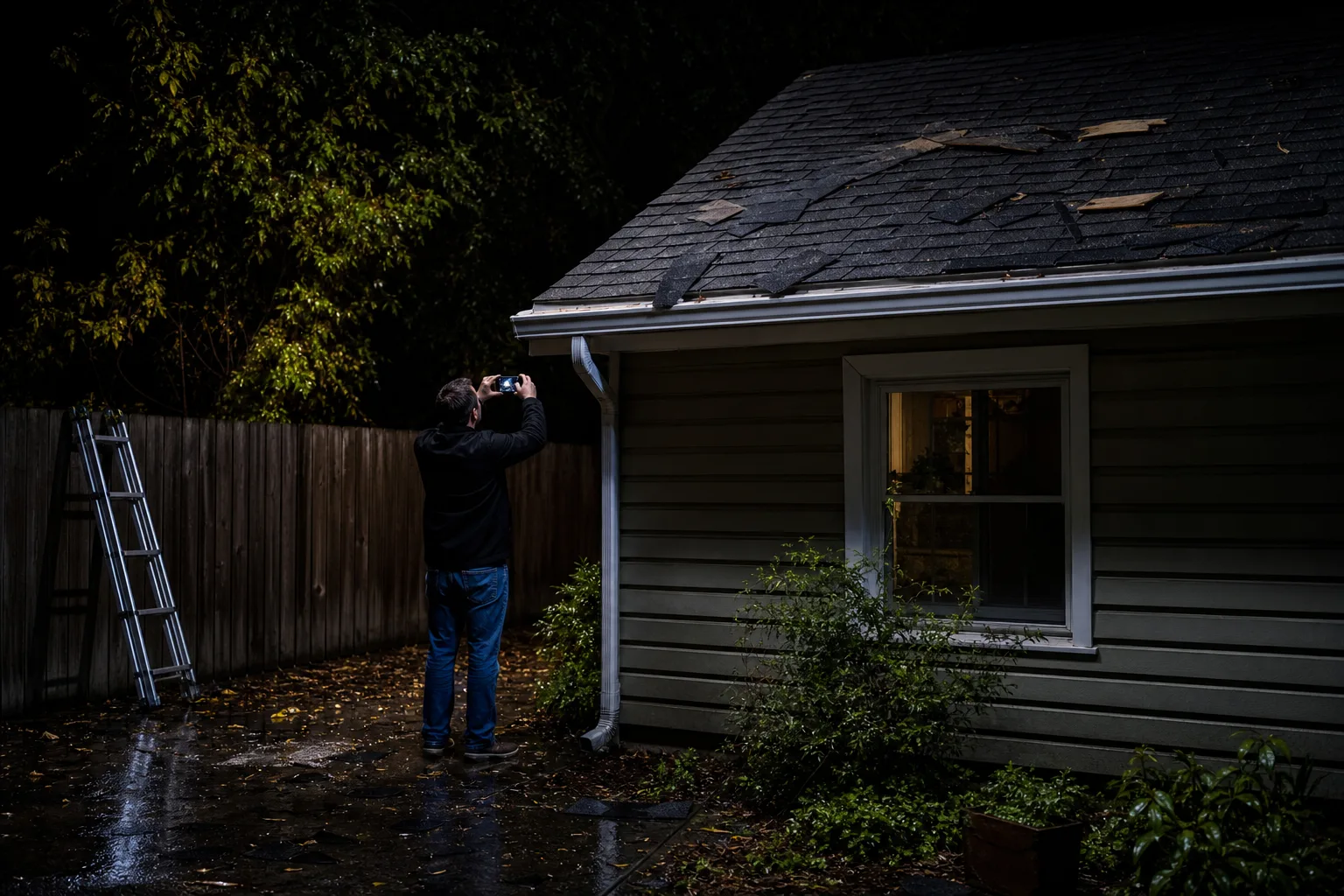
An exclusion that has been softened into a percentage deductible is still doing the same work, just more politely. Along the Atlantic and Gulf coasts, named-storm and hurricane deductibles are commonly written as a percentage of the dwelling limit rather than a flat dollar amount, and the trigger, whether it is a named storm, a hurricane warning, or a specific wind speed, varies by state and sometimes by county. Hail deductibles have spread through the plains and mountain states on the same model, occasionally paired with a roof settlement schedule that pays actual cash value on an older roof. Find the trigger, find the percentage, and multiply it out before you assume the number is small.
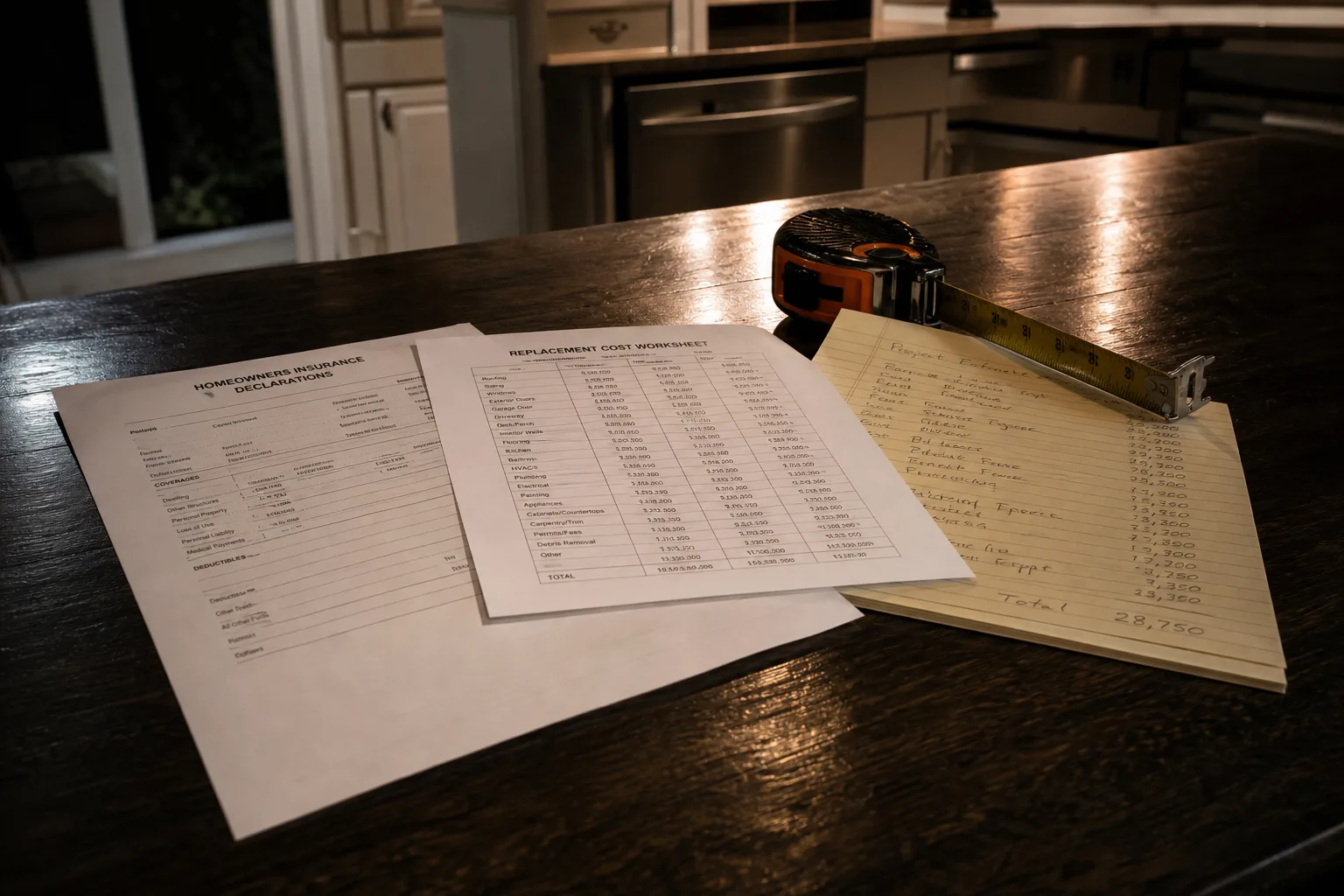
Run these five in order on your current declarations page and the endorsement list stapled behind it, and most of what looked like impenetrable drafting resolves into a handful of decisions someone made on your behalf. Some of those decisions were the state's, some were the carrier's, and a surprising number were yours by default, taken the day you accepted the base form without asking what the optional coverages cost.