Put Out a Kitchen Fire Yourself? The Call Order That Protects the Claim and the Renewal
A pan fire smothered in seconds still leaves smoke damage and a decision, and the order in which you call people shapes both the payout and your next renewal.
- Finance
- Clement Boateng
- 916 words, 4 min
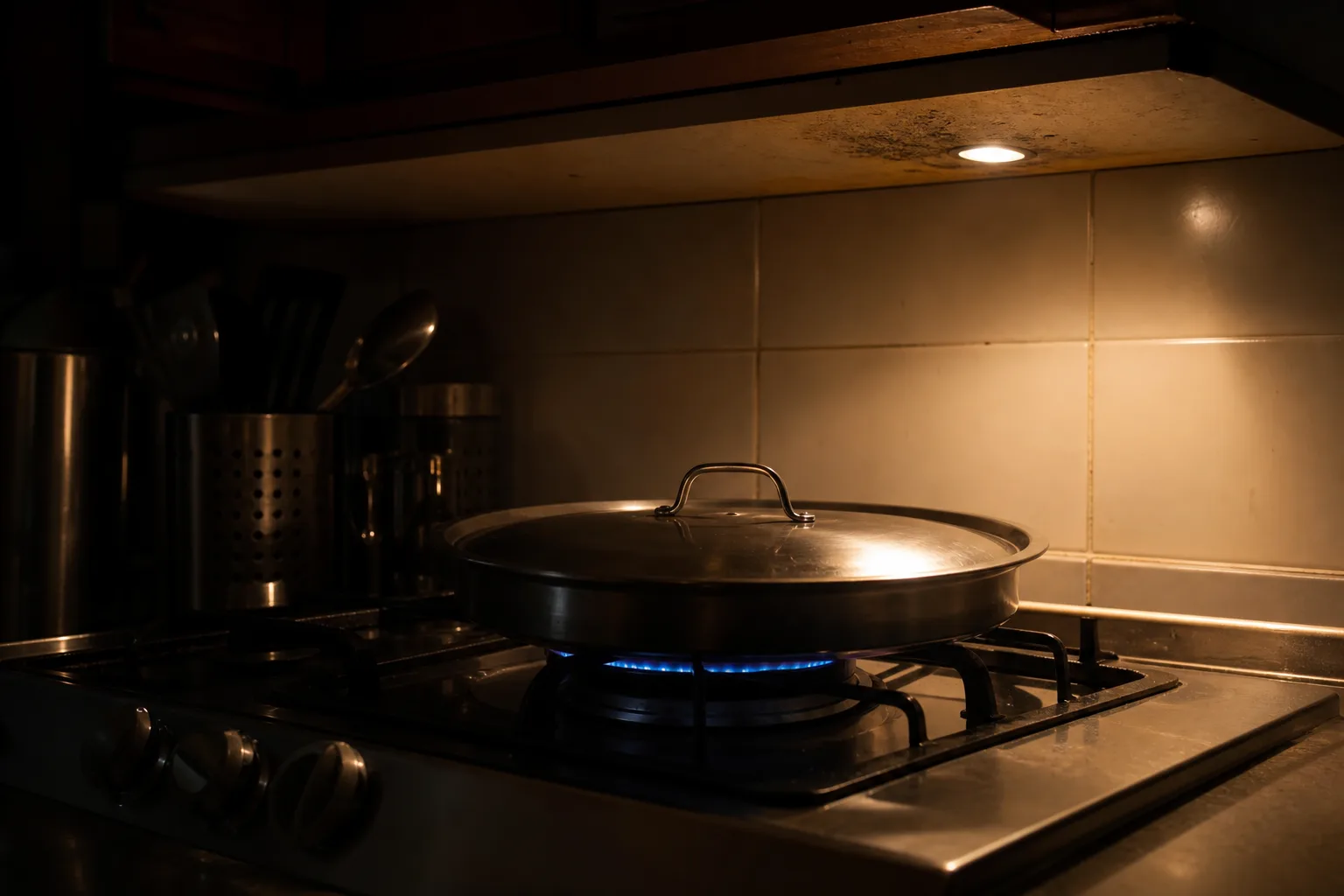
A pan of oil that catches and is smothered by a lid in ten seconds is the version of a kitchen fire that nobody goes to the hospital for, and it is also the version that leaves a household with a real decision to make by the following morning. Cooking fires remain the most common way a house fire starts, and the injuries that come out of them are overwhelmingly burns sustained in the first few seconds, usually by someone reaching for the pan or carrying it toward the sink. Smother it, leave it, turn off the heat. What happens after that is not a safety question at all. It is a money question with a long tail.
The damage that is invisible and the damage that is priced
The lid saves the kitchen, but the smoke does not stop at the stove. Fine soot from burned cooking oil is acidic and greasy, it migrates with the air in the house, and it settles on surfaces that nobody thinks to look at: the underside of upper cabinets, the ceiling two rooms away, the inside of the HVAC return, painted trim in the hallway. A homeowner who wipes down the backsplash and declares the matter closed will often find, three weeks later, that the odor is still there when the heat runs. That is the moment the cost moves from a hundred dollars of degreaser to a restoration scope that involves sealing ceilings, cleaning ductwork, and repainting, and it is also the moment the decision about whether to claim gets harder, because by then the event is no longer fresh and documented.
Three people write your record before you decide anything
The first is the fire department, if anyone called them. A response generates an incident report, and that report exists whether or not you ever file a claim; it describes the cause, the extent, and the actions taken, and it is the single most useful document you can hold because it is neutral and contemporaneous. The second is the restoration contractor who comes to look, and whose written scope is the first real number anyone attaches to the loss. The third is your agent, and this is where households get into trouble, because a conversational call that begins with wondering whether this is worth claiming can be logged by some carriers as a claim inquiry. Ask directly, at the start of that call, whether the conversation will be recorded as an inquiry or as a notice of loss, and ask the agent to tell you rather than assume.
What the next underwriter will actually see
Property loss history follows the house and the person through a shared industry database, and the entry in it is generated by the carrier, not by you. A claim that was reported and closed without payment can still appear. A claim that paid two hundred dollars over your deductible appears identically in structure to one that paid twenty thousand, differing only in the amount, and the next underwriter reading it is pattern-matching on frequency more than severity. Two fire or water entries inside a few years will do more damage to your renewal than one large entry ever does. The Federal Trade Commission oversees consumer reporting under federal law, and loss history reports fall within that framework, which means you can request your own file and correct an entry that is wrong. Do that before you shop, not after a quote comes back strange.
The arithmetic households get backwards
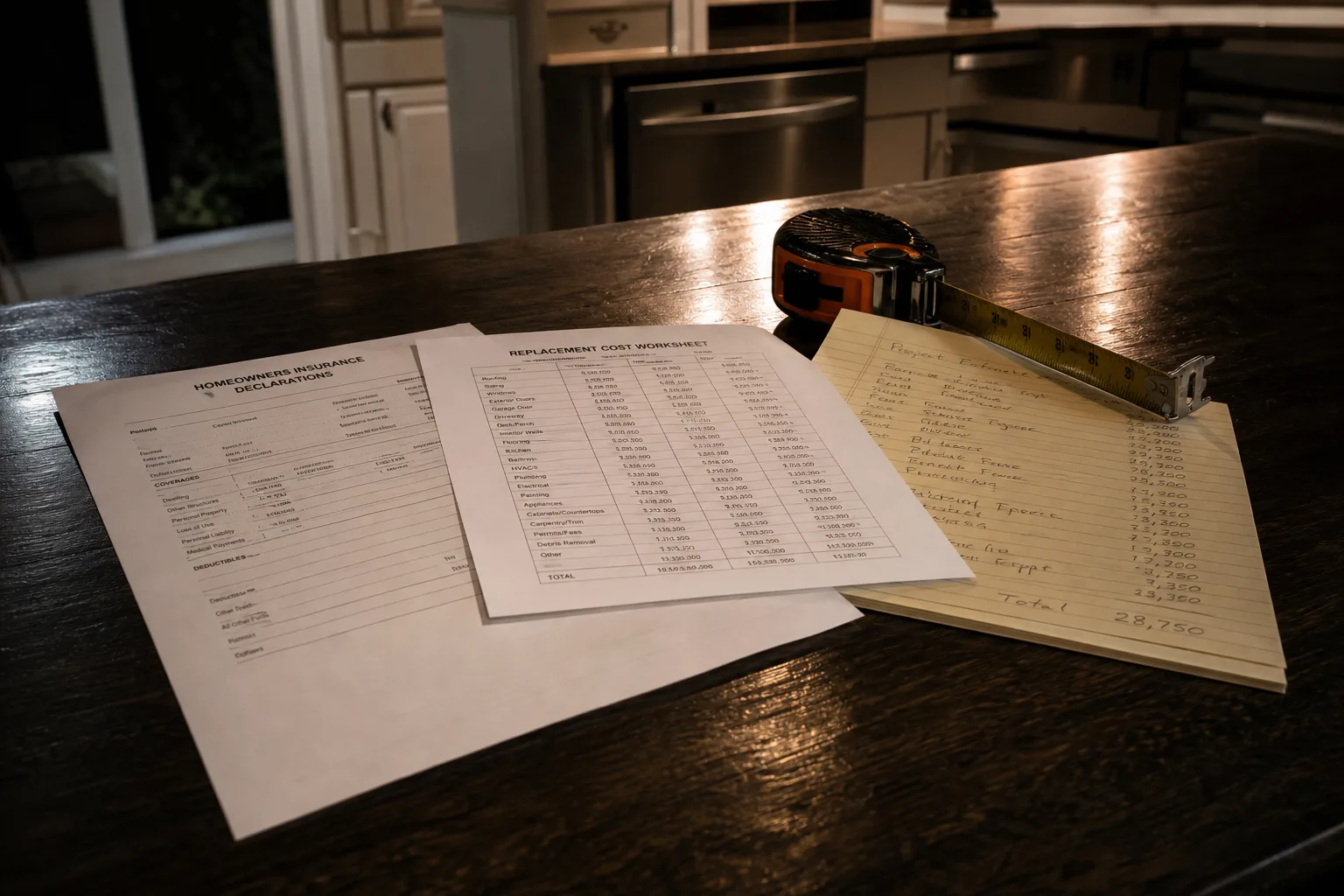
The instinct is to compare the repair estimate to the deductible and claim anything above it. The better comparison runs over the lookback period your carrier uses, typically three to five years, and it has three parts: the net payout after the deductible, the loss-free or claims-free discount you forfeit, and the rerating that follows. On a smoke scope that comes in modestly above the deductible, the net recovery is often a few hundred dollars, and a surcharge spread across several renewals eats it. On a scope that climbs past ten thousand once ducts and ceilings are in it, the math reverses completely and not claiming is simply paying for coverage you declined to use. The number that decides it is the contractor's written scope, which is why you get that before you call the carrier rather than after.
The order that keeps both options open
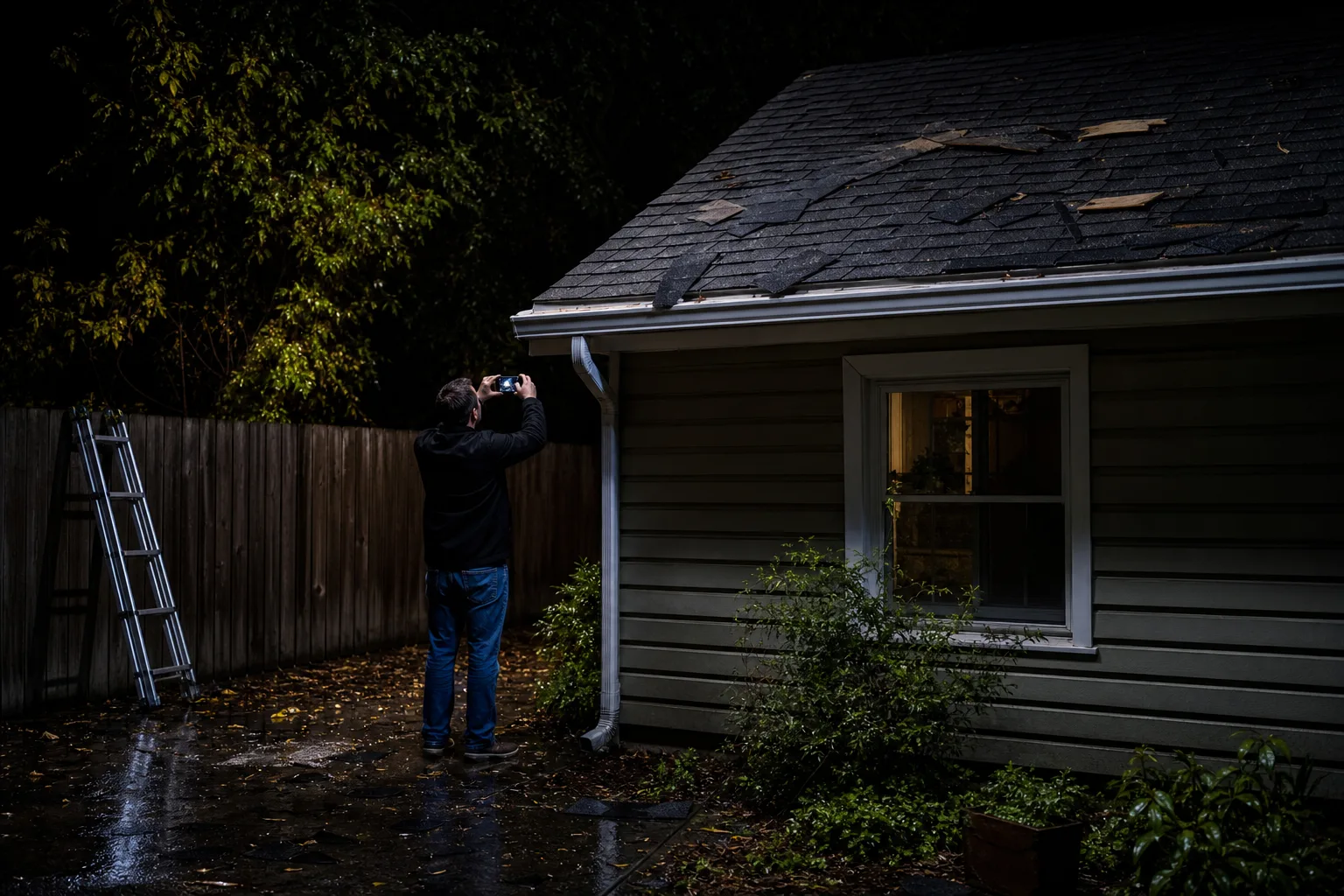
Photograph everything the same day, including the clean-looking rooms, because you cannot document soot retroactively. Get the fire department report number if there was a response. Have one qualified restoration contractor walk the house and put a scope in writing, and tell them plainly that you have not decided whether to file, so that they price the work rather than the claim. Then call the agent, with the number in hand, and ask the inquiry question first. Carriers in tightened markets are nonrenewing on frequency, so an honest agent will tell you where your file currently sits and what a second entry would do to it. Keep the mitigation receipts regardless, because if the odor surfaces in week three you want a documented chain back to the original event.
The households that come out of a small kitchen fire well are rarely the ones who reacted fastest to the flame, since a lid handles that. They are the ones who spent an afternoon building a file, learned what their own loss history already said, and then made a decision they could defend at the next renewal.