Rented the Tool, Skipped the Waiver. Where an Exclusion Clause Turns Up Later
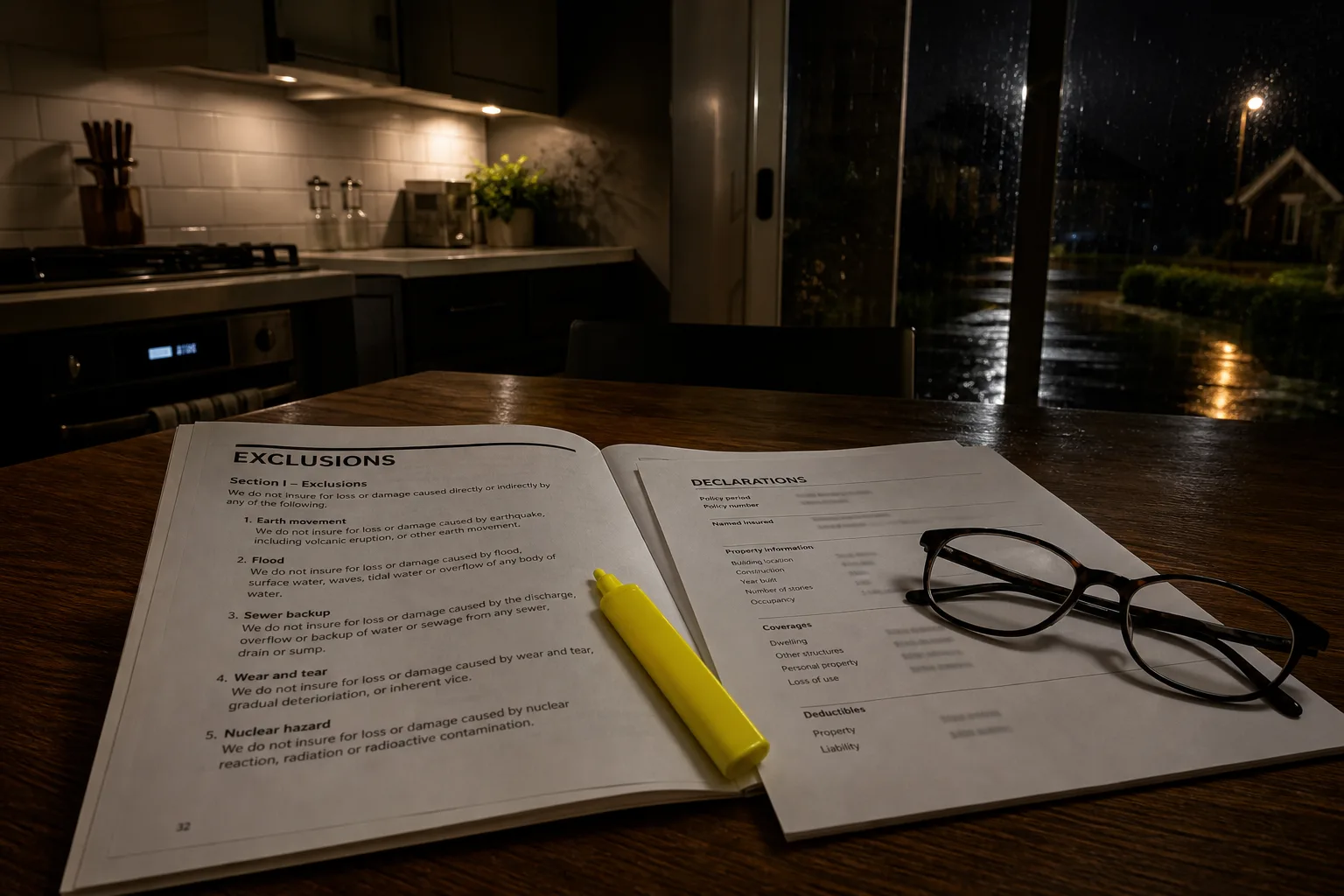
Exclusion clauses rarely announce themselves; they show up months later as a denied claim on a stolen toolbox, a rented saw, or a weekend project gone sideways.
- Finance
- Ingrid Halvorsen
- 928 words, 4 min
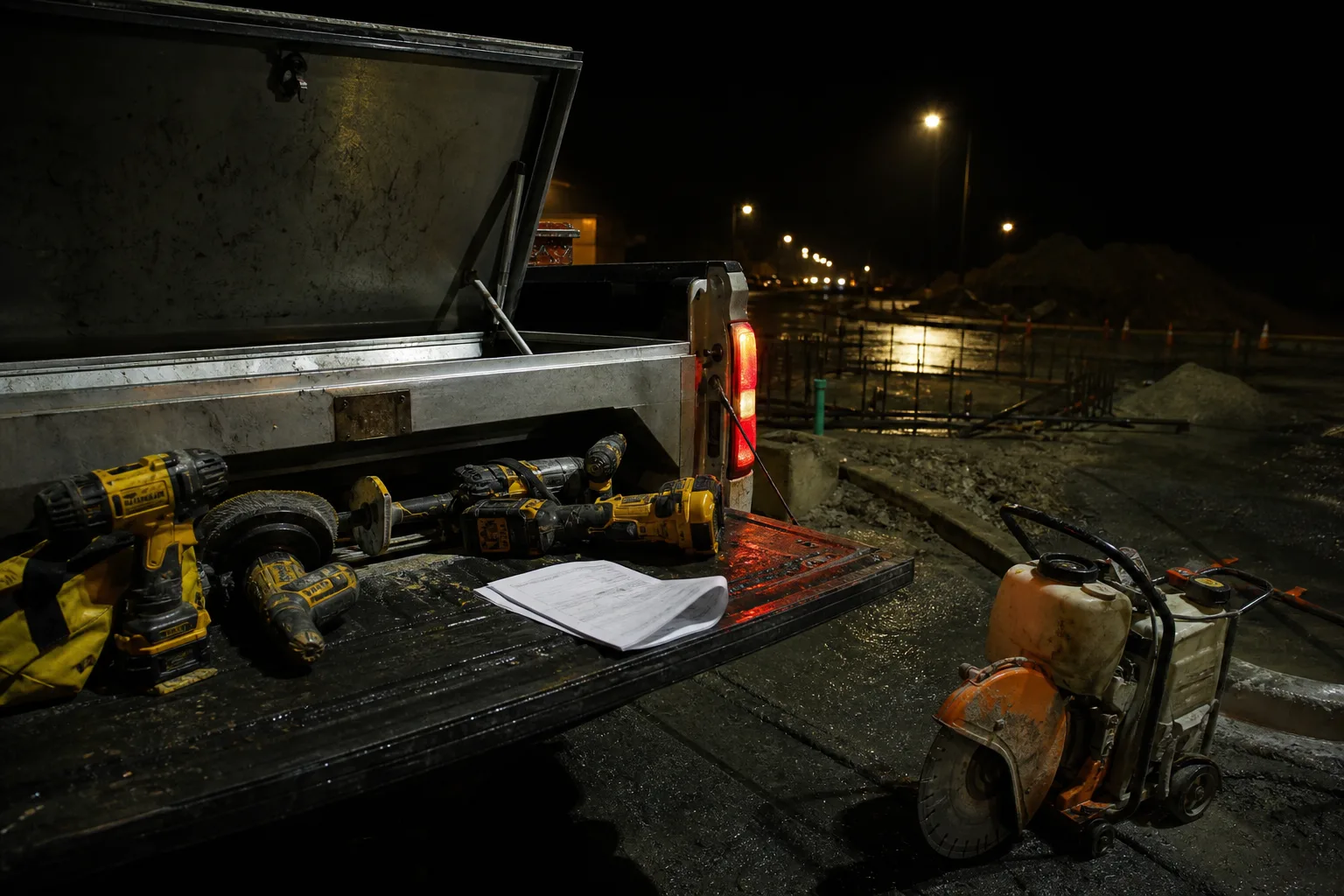
The exclusion clause never announces itself at the moment it starts mattering. It matters when a truck box gets pried open in a motel parking lot, when a rented walk-behind saw drops a blade into a slab that was not yours, when a borrowed miter saw kicks and takes a chunk out of a finished stair tread. Nobody reads the clause in that moment. They call the carrier, describe the event in plain language, and are told, politely, that the policy does not reach it. Working backward from the events is the only method that makes the language legible before you need it.
Read the exclusions backward, starting from the thing that actually happened
Take the four or five incidents most likely to happen to you in a year and hunt for the sentence that governs each one. Tools stolen out of a vehicle overnight. A rented machine damaged while you had it. Something you installed yourself failing and soaking the subfloor. A neighbor hurt by equipment you lent out. Each of those sits behind an ordinary phrase: business property, property in your care, faulty workmanship, and so on. The phrases are dull and the events are not, which is precisely why the connection goes unmade until a claim forces it.
Once you run the exercise, the pattern becomes obvious. Exclusions are not there to trap you; they are there to keep one policy from silently becoming a different, much more expensive policy. A homeowners form is priced for a house and its contents at rest. It is not priced for a working inventory of tools that travels five days a week, gets loaded and unloaded in the dark, and spends nights in an unattended vehicle. The clause marks the boundary where a different product, and a different premium, takes over.
Find out who owns the sentence, because it is usually not your agent
The person who sold you the policy almost never wrote the exclusion. At a large carrier, the wording comes out of a product and underwriting group, is filed with the state insurance department, and reaches the branch as a form number with a revision date. The same holds at a national tool rental chain: the damage waiver you are offered at the counter was drafted centrally by legal and risk, and the clerk can neither expand it nor tell you what it means for a slab crack versus a bent guard. That is not evasiveness. It is a division of labor.
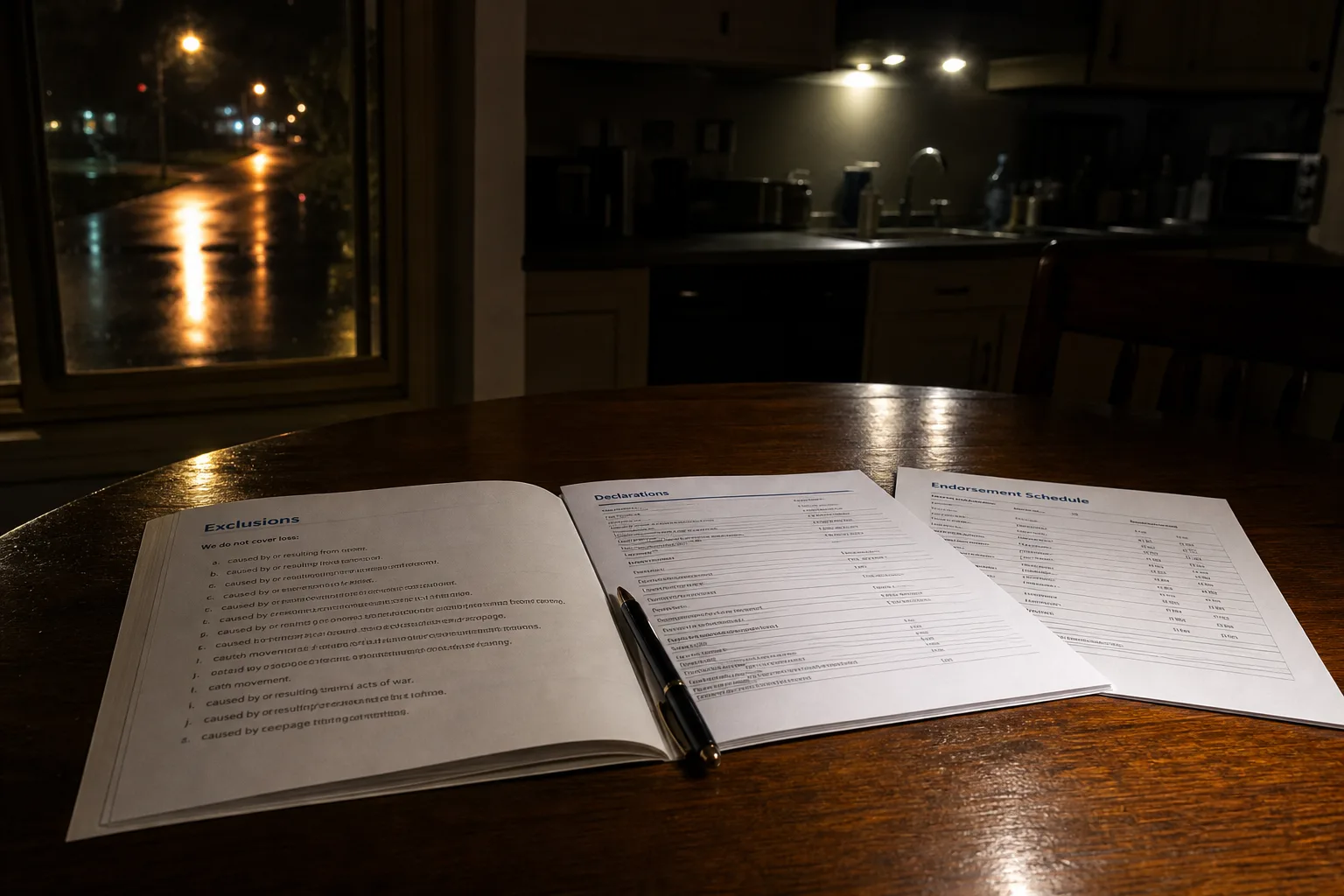
So ask the question the person in front of you can actually answer, and route the rest upstream. From an agent, ask for the form number and the endorsement list, then ask whose desk decides a coverage question on that form. From a rental branch, ask for the written waiver terms and the damage assessment process, not the counter summary. Larger providers are generally better at producing the document than at interpreting it, and the document is the thing that governs. Get it in writing, keep the version you were given, and note the date.
Ask what buys the exclusion back, and what it costs per year
Most exclusions have a corresponding endorsement, rider, or separate policy that restores the coverage for a stated price. Tools that travel are typically handled by a scheduled equipment or inland marine form rather than the homeowners policy. Occasional paid work out of a garage triggers a business use exclusion that a small commercial policy answers. Rented equipment damage is either covered by the rental company's waiver, by a rider on your own policy, or by nobody. The useful comparison is annual cost of the buy-back against the replacement cost of what the clause excludes.
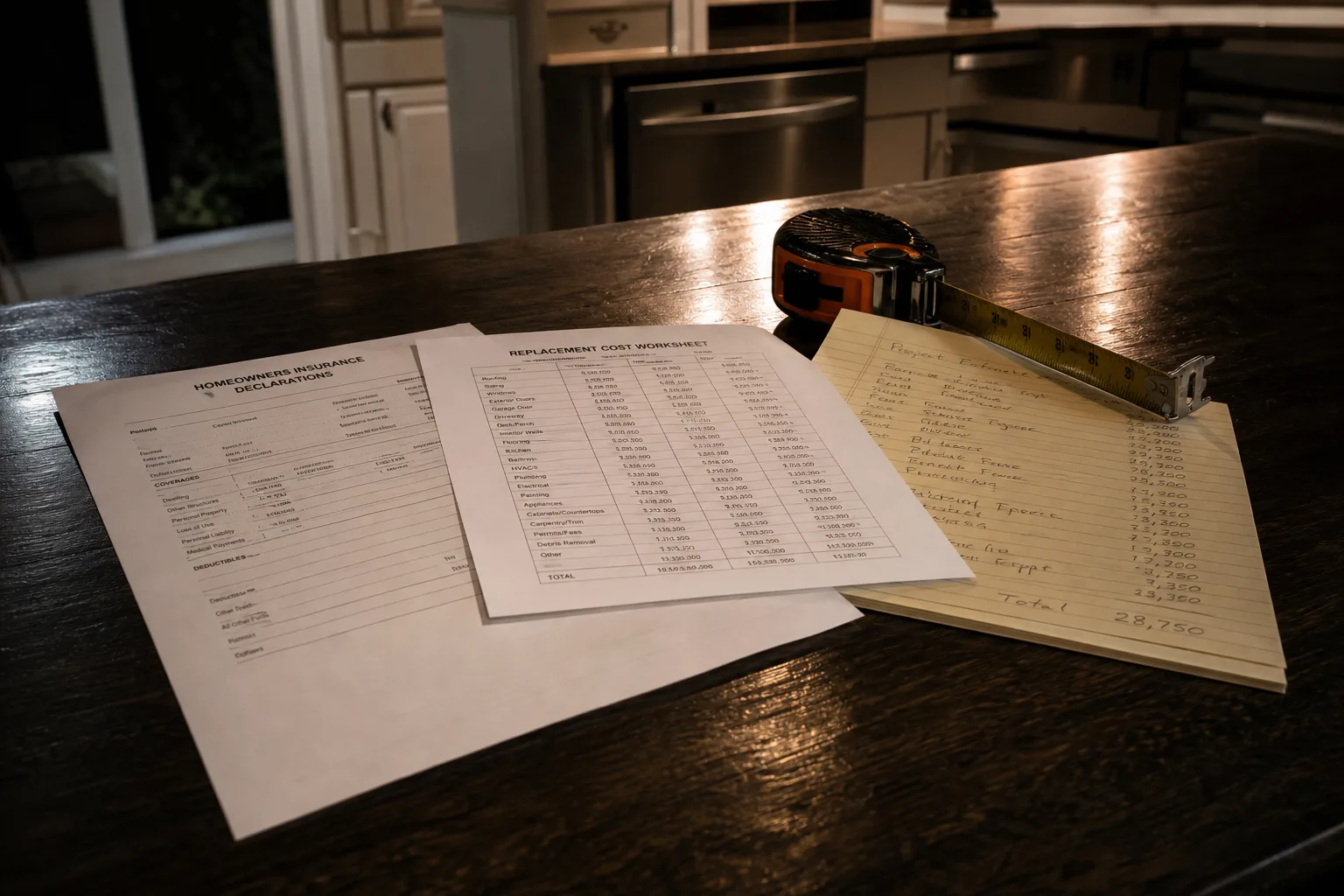
That arithmetic often lands somewhere sensible. A few hundred dollars a year to schedule a working kit of cordless tools, a compressor, and a laser level is a straightforward decision if replacing that kit would cost several thousand and stop your income for a week. A waiver on a one-day rental of a machine you could not afford to replace is cheap certainty. A waiver on a low-value hand tool rental usually is not. The clause tells you which category you are in, once you have read it as a pricing signal rather than as fine print.
Let the exclusion inform the hire-or-buy decision
This is where the clause quietly changes what you should own. A big, infrequently used machine, a concrete saw, a rotary hammer, a floor sander, is better rented for a day, and the rental waiver covers the failure mode that would otherwise fall outside your own policy. A cheap version of that same machine bought to save the day rate carries a second cost people miss: when a bargain tool fails mid-job and damages finished work, the resulting claim often meets a faulty workmanship or defective product exclusion, and you absorb both losses. The Occupational Safety and Health Administration sets the standards for how powered equipment is guarded and operated on work sites, and the habits those rules describe are the same habits that keep a claim clean.
Buy the tools you use weekly, in a grade that will not fail under load, and schedule them on a form that follows them into the truck. Rent the rest, take the waiver when the machine is worth more than the deductible, and keep the paperwork with the receipt. Read that way, an exclusion is less a refusal than a map of who is carrying which risk, and it is far cheaper to consult before the blade drops than after.