Two Calls About the Same Leak, and Only One of Them Followed the House
A single water loss, handled twice over in one week, shows how loss history reporting came to shape renewals and what a homeowner can still control.
- Finance
- Clement Boateng
- 905 words, 4 min
The received wisdom is that you should never file a small claim, because the premium increase will cost more than the check. It is repeated in every kitchen where a pipe has just let go, usually by a relative who heard it from someone at work, and it is close enough to true that it survives. But it is a rule built on top of a system most people have never had described to them, and the system rewards a different behavior than the rule suggests. A claim handled in one order sits quietly. The same loss handled in another order follows the address for years.
How a phone call became a permanent record
For a long stretch of the twentieth century, your claims history lived in two places: the carrier's own files and your agent's memory. Move across the state, switch companies, and the slate was effectively clean, because nobody had an efficient way to ask. That changed when carriers began pooling loss data into shared databases in the 1980s and 1990s, and it changed decisively when comparative rating made it cheap to pull a report on every applicant at quote. Loss history reports are consumer reports, which means they sit under the Fair Credit Reporting Act, a statute the Federal Trade Commission is responsible for enforcing. You have a right to see yours and to dispute what is in it.
The practical consequence is that the underwriting question stopped being about you and became about the property. A report keyed to an address, typically looking back five years, tells the next carrier what happened at that house regardless of who owned it or which company paid. That is why a buyer sometimes inherits a rating problem created by a seller, and why the discipline around what gets reported matters more than the dollar amount of any single payment.
The week the same leak was handled twice
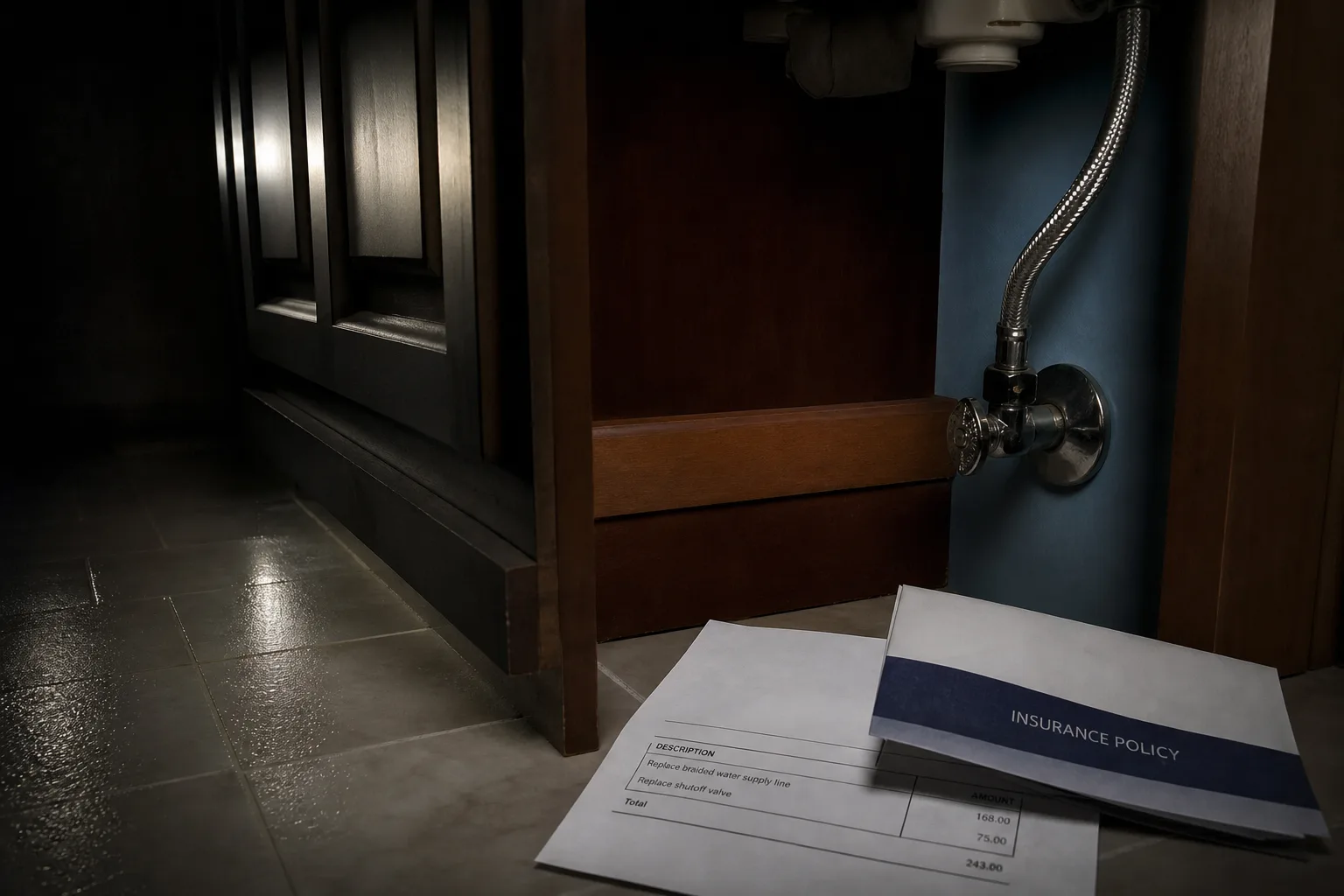
The case that taught me this involved a braided supply line under a second-floor vanity in a house I had worked on before. The homeowner called on a Tuesday morning, water still running down the hall wall, and asked what to do. I told her to shut the supply at the fixture, then the main if that did not hold, get the water out, and call a restoration crew before she called anyone else. She asked whether to call the carrier first. I said not yet, and not because there was anything to hide.
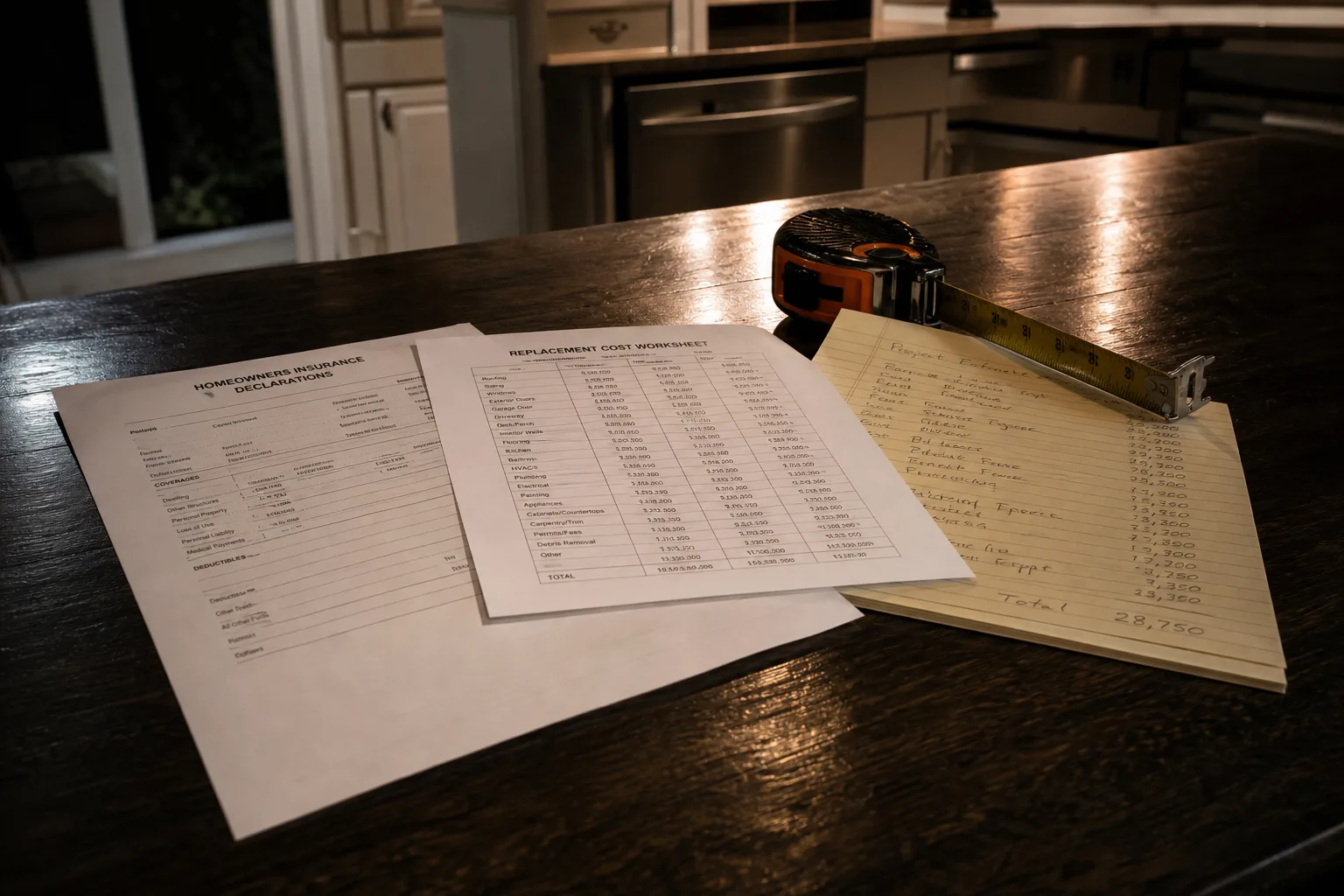
She had a mitigation invoice and a drywall and flooring estimate in hand by Thursday. The two together landed a little above her deductible, but not by much. What she had not yet done was make a claim, and that distinction is the whole lesson. A carrier's claims line exists to open files, and a call describing a loss will frequently open one whether or not you ask for money. Two of her neighbors had done exactly that in the previous year, and neither collected a dollar.
The question that separates an inquiry from a filing
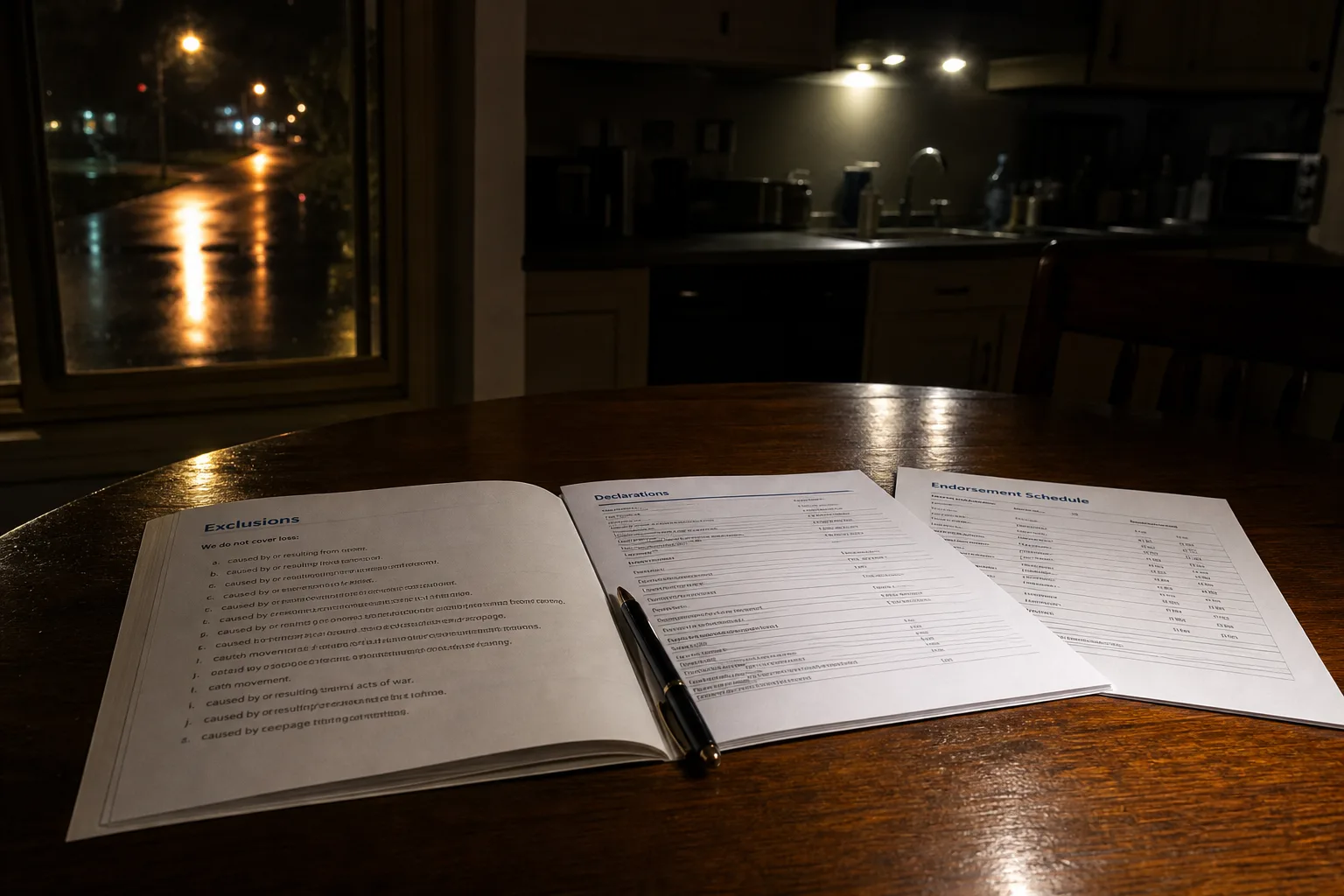
Her agent, not the claims line, was the right first call, and the sentence that mattered was a plain one: she wanted a coverage question answered, not a claim opened. That framing does not carry legal force, but it does route the conversation to someone whose job is advisory rather than intake. She learned that the sudden discharge would be covered, that ongoing seepage would not, that the mitigation invoice would count toward her deductible, and that a file, once opened, is reportable as a loss even when it closes with no payment.
With that in front of her, the arithmetic settled itself. The gap between the repair total and the deductible was smaller than what a water loss on a five-year report would plausibly cost her in a market where several carriers were quietly declining to quote houses with any prior water history. She paid the restoration crew directly. Nothing was filed, nothing was reported, and the shutoff valve under that vanity was replaced along with every other braided line in the house.
Why water is the loss that decides the renewal
Homeowners hear fire and think that is the claim that ends a policy. In practice, fire is rare and unambiguous. Water is frequent, repeats, and correlates with plumbing and building conditions that a carrier has no way to inspect, which is why underwriters weight it heavily and why one paid water loss can change what the market will offer you. The genuine physical hazard in a wet house is smaller than it sounds too: the injuries that put people in hospitals after a leak are falls on soaked stairs and shocks from working a wet ceiling with the breaker on, not the water itself.
The rule that follows from all of this is not to avoid claiming. It is to know, before you speak, whether you are asking a question or opening a file, and to keep the losses you absorb small enough that absorbing them is a choice rather than a hardship. That is what a healthy deductible buys: the freedom to leave the report clean for the loss that actually needs it.
Her renewal arrived at the ordinary adjustment. Two years later she moved carriers for unrelated reasons and got a quote priced against a report with nothing on it, which is worth considerably more than the check she did not cash.