Underinsured by Fifteen Percent, Borrowing the Rest. Where the Coinsurance Penalty Lands
A shortfall on the declarations page rarely announces itself at renewal. It shows up as a financed balance after a partial loss, at whatever rate you can get that month.
- Finance
- Farah Siddiqui
- 1,087 words, 5 min
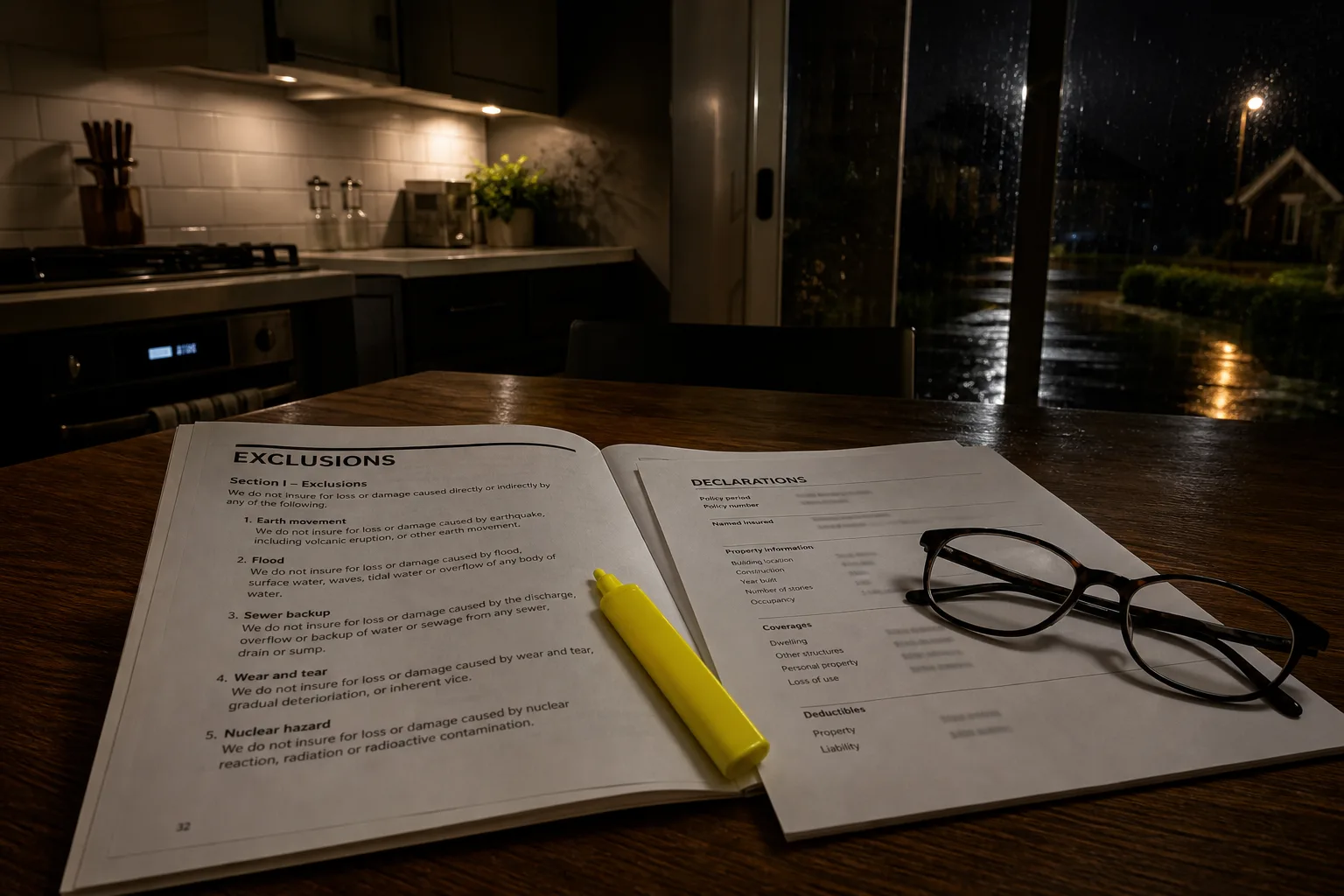
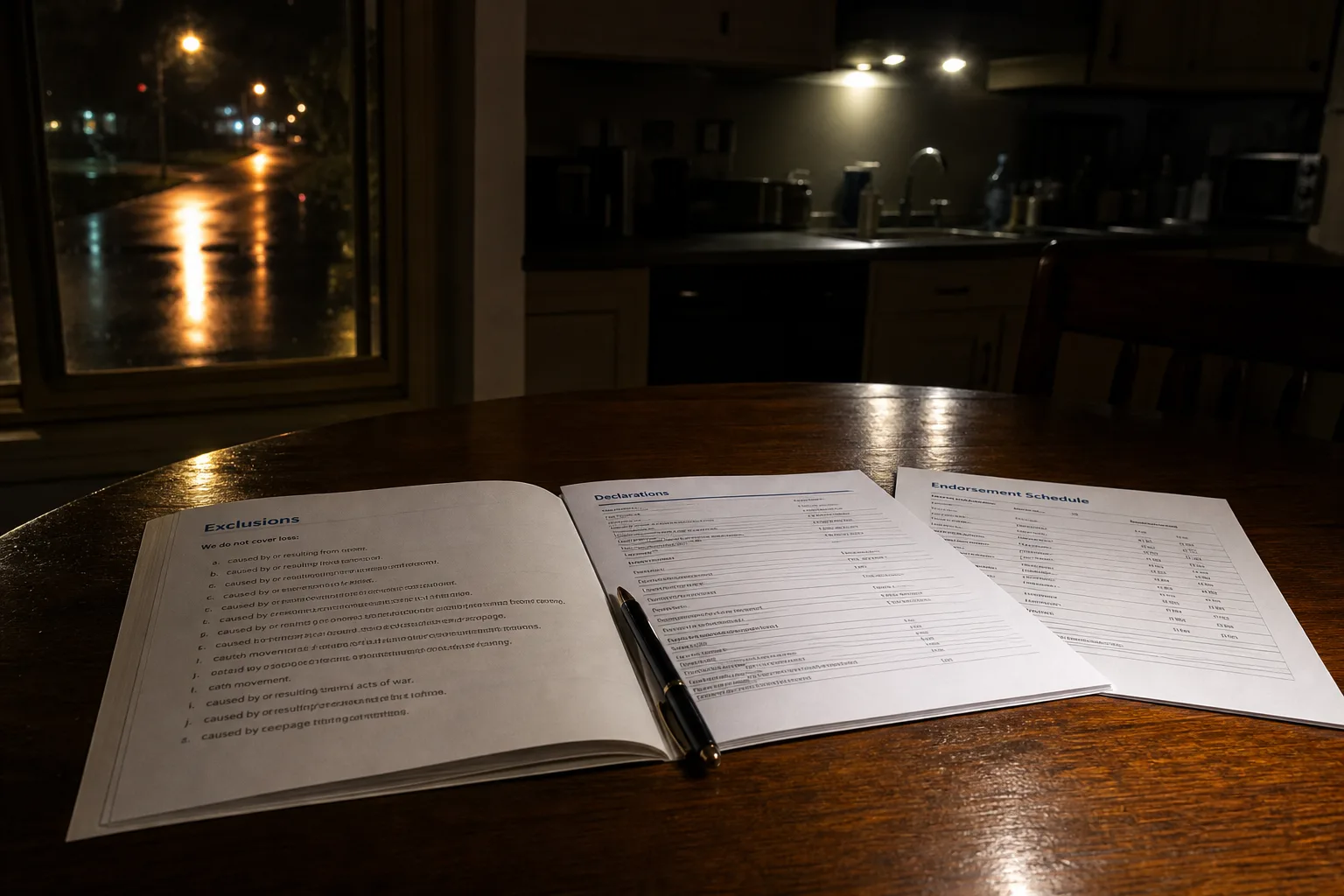
The received wisdom is that if you are underinsured by fifteen percent, you get paid fifteen percent less, which sounds survivable and is the reason so many people leave the number alone year after year. That is not how most dwelling and commercial property policies handle it. The reduction runs through a coinsurance or insurance-to-value condition that compares what you carried against what you should have carried, and it applies the resulting fraction to the loss, not to the limit. On a total loss you would hit the limit anyway and never see the mechanism. On a kitchen fire, a burst supply line, a hail-damaged roof, you see it clearly.
People who have been through several claims, across a rental duplex, a primary residence, a small commercial building, start recognizing the pattern well before the adjuster explains it. The claim that pays cleanly and the claim that comes up short are usually not distinguished by the damage. They are distinguished by a number somebody set once, at closing or at a rewrite, and then never revisited while framing lumber, drywall, labor rates, and permit fees all moved.
The limit is not a price, and it was never meant to track the market
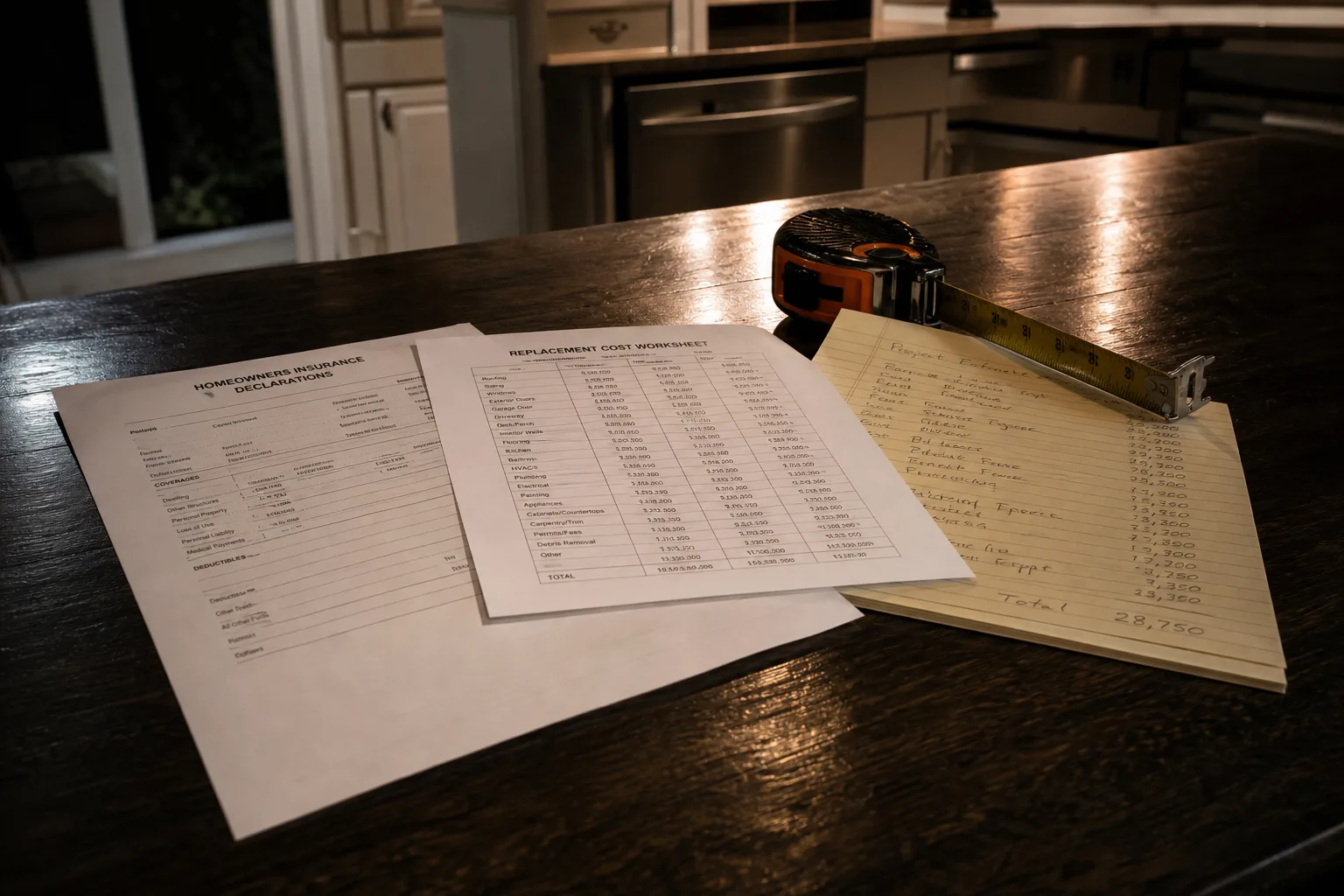
Coverage A on a homeowners policy is a replacement cost estimate for rebuilding the structure, and it has almost nothing to do with what you paid, what a comparable house down the street sold for, or what your mortgage balance is. Land value is in the sale price and not in the rebuild. Demolition, debris removal, and code compliance are in the rebuild and not in the sale price. Owners who bought at the top of a market often assume they are generously covered because the limit sits below the purchase price, when in fact the two numbers answer different questions and the gap between them tells you nothing useful.
The other half of the drift is quiet. Carriers frequently attach an inflation guard that bumps the limit by a set percentage each renewal, which helps and rarely keeps pace with a period when material costs and skilled labor both move sharply in the same direction. Then the owner finishes the basement, replaces builder-grade cabinets with custom, adds a bathroom, and tells nobody. Each of those decisions raises the cost to rebuild. None of them touched the declarations page. The shortfall is now structural rather than accidental.
Where the penalty actually bites
Run the arithmetic on a hypothetical that is deliberately mild. Say the true replacement cost is a million dollars, the policy requires you to carry eighty percent of it, and you are carrying six hundred and forty thousand. You needed eight hundred thousand. Your ratio is eighty percent of what was required, so a two hundred thousand dollar fire loss is adjusted to a hundred and sixty thousand before your deductible comes off. You are out forty thousand dollars plus the deductible, on a claim where nobody made a mistake at the time of the loss and the policy did exactly what it said.
Notice what did not happen. Nobody denied the claim. There was no exclusion argument, no allegation of misrepresentation, no coverage dispute worth calling an attorney about. The adjuster applied a condition, the check cleared, and the owner was left holding a number. This is why under-insurance so rarely gets traced back to its cause in household conversation. The event people remember is the fire or the flood, and the shortfall gets filed under bad luck rather than under a limit that was set in a different decade of construction pricing.
The gap gets financed, and the financing is the real cost
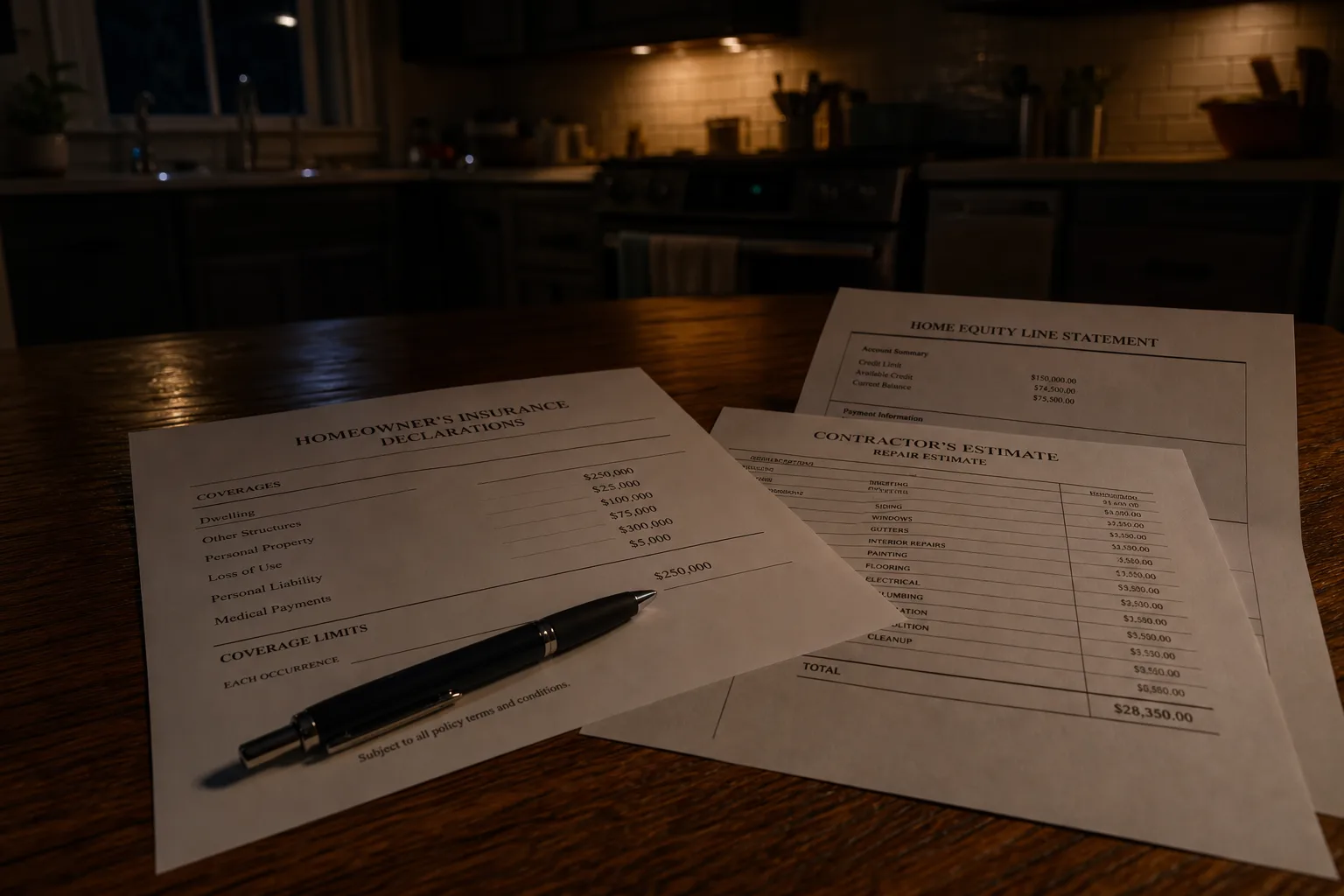
Here is the part that shows up on a balance sheet rather than in a claim file. Forty thousand dollars of unfunded repair does not stay a repair problem for long. It becomes a home equity line drawn at a variable rate, a cash-out refinance that resets a favorable mortgage at a much less favorable one, a contractor's in-house financing plan sold at the kitchen table with a deferred-interest structure, or in the worst version a credit card carrying a balance that survives the repair by several years. The repair is finished in eight weeks. The borrowing outlives it.
Timing makes it worse in ways that are specific and avoidable. Replacement cost policies typically pay actual cash value first and release the recoverable depreciation only after the work is completed and documented, which means the owner is fronting money regardless. If your share is already inflated by a coinsurance reduction, you are financing both the shortfall and the holdback at the same time, in the same month, under time pressure from a contractor who wants a deposit. That pressure is what sells expensive money. Deferring the work to avoid borrowing is usually the more expensive path still, because most policies impose a deadline on recovering depreciation and unrepaired damage compounds into secondary losses.
The fixes are cheap relative to what they prevent
Ask your agent for a current replacement cost estimate rather than a renewal quote, and give them the improvements you have actually made, including the finished basement and the mechanical upgrades nobody thinks to mention. Then ask specifically about extended replacement cost, which pays a percentage above the stated limit when rebuild costs exceed it, and about ordinance or law coverage, which funds the code upgrades a rebuild triggers and a thirty-year-old structure will certainly trigger. On commercial property, ask whether an agreed value endorsement is available, since it suspends the coinsurance condition outright in exchange for documenting the value up front.
Flood is its own conversation and worth having separately, since the National Flood Insurance Program is administered by the Federal Emergency Management Agency and carries its own limits and its own valuation rules that do not follow your homeowners policy. Owners with more than one property tend to discover, after the second claim, that the useful habit is an annual fifteen-minute review keyed to renewal rather than a heroic reassessment every seven years. Fifteen minutes, once a year, with the improvement list in hand.
The owners who come out of a partial loss without a new loan are almost never the ones who got a better adjuster. They are the ones who treated the limit as a live number, adjusted it when they spent money on the building, and bought the endorsements that absorb the error they could not foresee. That work is done in a calm month, at renewal, with nothing on fire.